Choosing the Right Cooling Tower for Commercial Buildings
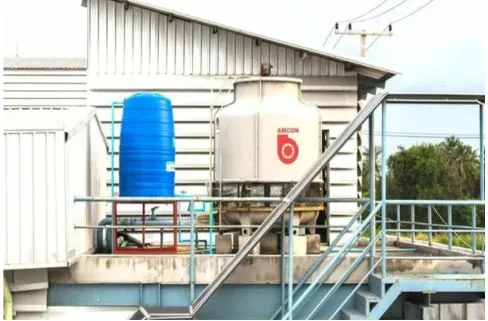
Selecting the right Cooling Tower for a commercial building is an important decision that directly impacts indoor comfort, energy efficiency, and operational costs. Commercial properties such as office buildings, shopping centers, hospitals, hotels, and industrial facilities rely on effective heat rejection systems to maintain proper temperature control throughout the year. Without the right equipment, cooling performance may decline, leading to increased expenses and reduced occupant comfort.
Building owners and facility managers must carefully evaluate their requirements before making a purchase. Factors such as building size, climate conditions, water availability, maintenance demands, and long-term operating expenses all influence the final decision. Choosing wisely helps businesses avoid unnecessary repairs while improving overall HVAC system performance.
Understanding Cooling Tower
A Cooling Tower is a heat rejection system designed to remove excess heat from water used in commercial HVAC operations. It works by transferring heat from water into the atmosphere through evaporation or heat exchange methods. The cooled water is then recirculated back into the system to maintain efficient building operations.
These systems are commonly installed in large commercial facilities where standard air-cooling methods may not be sufficient. Understanding how the equipment functions helps decision-makers identify the most suitable design based on operational needs, environmental conditions, and available resources.
Types of Systems
Different systems are available for commercial applications, and each one offers specific benefits depending on building requirements.
1. Open Circuit Systems
These units allow water to come into direct contact with air for evaporative cooling. They are often preferred because of lower upfront costs and high efficiency, but they may require additional cleaning and water treatment.
2. Closed Circuit Systems
These designs keep water enclosed within a coil system, preventing direct exposure to outside air. They are ideal for facilities that require cleaner water circulation and reduced contamination risks.
3. Crossflow Systems
Air moves horizontally through falling water in these systems. They are easier to maintain and generally produce less noise, making them suitable for commercial buildings in populated areas.
4. Counterflow Systems
Air travels vertically upward against falling water. These systems are compact and efficient, making them a practical choice for properties with limited space.
Assess Building Cooling Requirements
Before investing in a Cooling Tower, building owners must carefully evaluate the cooling demands of their facility. Every commercial property operates differently, and understanding these needs helps prevent overspending on oversized equipment or performance issues caused by undersized systems.
Important factors to review include:
- Total building size
- Number of occupants
- Type of business operations
- Heat-generating equipment
- Seasonal cooling demands
- Future expansion plans
A proper assessment ensures the system can handle peak cooling loads efficiently.
Energy Efficiency
Energy efficiency plays a major role in reducing long-term operating expenses. Systems equipped with advanced motors, variable-speed fans, and improved heat transfer technology can significantly lower electricity consumption. In some facilities, comparing system efficiency with an Air-Cooled Chiller can help businesses determine the most cost-effective cooling solution.
Businesses focused on sustainability can also benefit from energy-efficient equipment by reducing environmental impact and meeting green building goals.
Water Usage
Water efficiency should also be considered, especially in regions where water shortages are common. Systems with advanced filtration, automated treatment solutions, and drift reduction features can help conserve resources.
Reducing water waste can lower utility bills while supporting environmental responsibility initiatives.
Installation Space
Available installation space is another major factor when selecting a Cooling Tower for a commercial building. Rooftop areas, mechanical rooms, and outdoor installation zones may have limited space that affects equipment selection.
Compact systems are often better for urban properties where available space is restricted. Proper planning ensures smooth installation and prevents future operational challenges.
Noise Control
Noise levels are especially important for buildings located near residential communities, schools, hotels, or office complexes. Loud systems can create disruptions and negatively impact surrounding areas.
Noise-reduction features may include:
- Low-noise fan systems
- Sound attenuation technology
- Quiet motor designs
- Strategic placement options
These features help maintain a peaceful environment for occupants and nearby businesses.
Maintenance Requirements
Regular servicing is essential to ensure a Cooling Tower continues operating efficiently over time. Some systems require more frequent cleaning, inspections, and water treatment than others.
Facility managers should evaluate accessibility for repairs, availability of replacement parts, and service support options. Choosing equipment with lower maintenance demands can reduce downtime and improve long-term reliability.
Climate Conditions
Local climate conditions directly affect system performance. Buildings located in hot and humid regions may require higher-capacity systems, while colder climates may need freeze protection features.
Understanding regional weather patterns helps businesses select equipment that performs efficiently year-round.
Compliance and Safety
Installing a Cooling Tower requires compliance with local regulations, environmental standards, and workplace safety guidelines. Water treatment requirements, health regulations, and environmental restrictions must be reviewed before installation.
Following proper compliance measures reduces legal risks while ensuring safe operation for workers and building occupants.
Cost Considerations
Initial purchase price should not be the only factor in the decision-making process. Long-term operational costs often have a greater impact on the total investment.
Important cost factors include:
- Installation expenses
- Energy consumption
- Water usage
- Maintenance costs
- Repair expenses
- Equipment lifespan
A full cost analysis helps businesses choose the most financially practical option.
Choosing the Right Manufacturer
Selecting the right manufacturer is important when investing in commercial cooling equipment. Amcon is recognized for providing reliable cooling solutions for various commercial buildings. Their products are designed to support efficient performance and long-term durability.
The company offers professional guidance to help businesses choose systems that match their cooling requirements. From product selection to installation support, their team works closely with clients to ensure smooth operations. This helps businesses avoid costly mistakes during the purchasing process.
Amcon also provides maintenance services and technical support after installation. Their commitment to customer satisfaction helps businesses keep their cooling systems running efficiently. Working with an experienced manufacturer can improve reliability and protect long-term investments.
Conclusion
Choosing the right Cooling Tower requires careful evaluation of building requirements, operational costs, maintenance needs, and environmental factors. A well-informed decision ensures better performance and fewer unexpected expenses over time.
By selecting the right system, commercial property owners can improve energy efficiency, maintain occupant comfort, and protect their investment for years to come.