Things First-Time Rafters Should Know Before Visiting the Grand Canyon
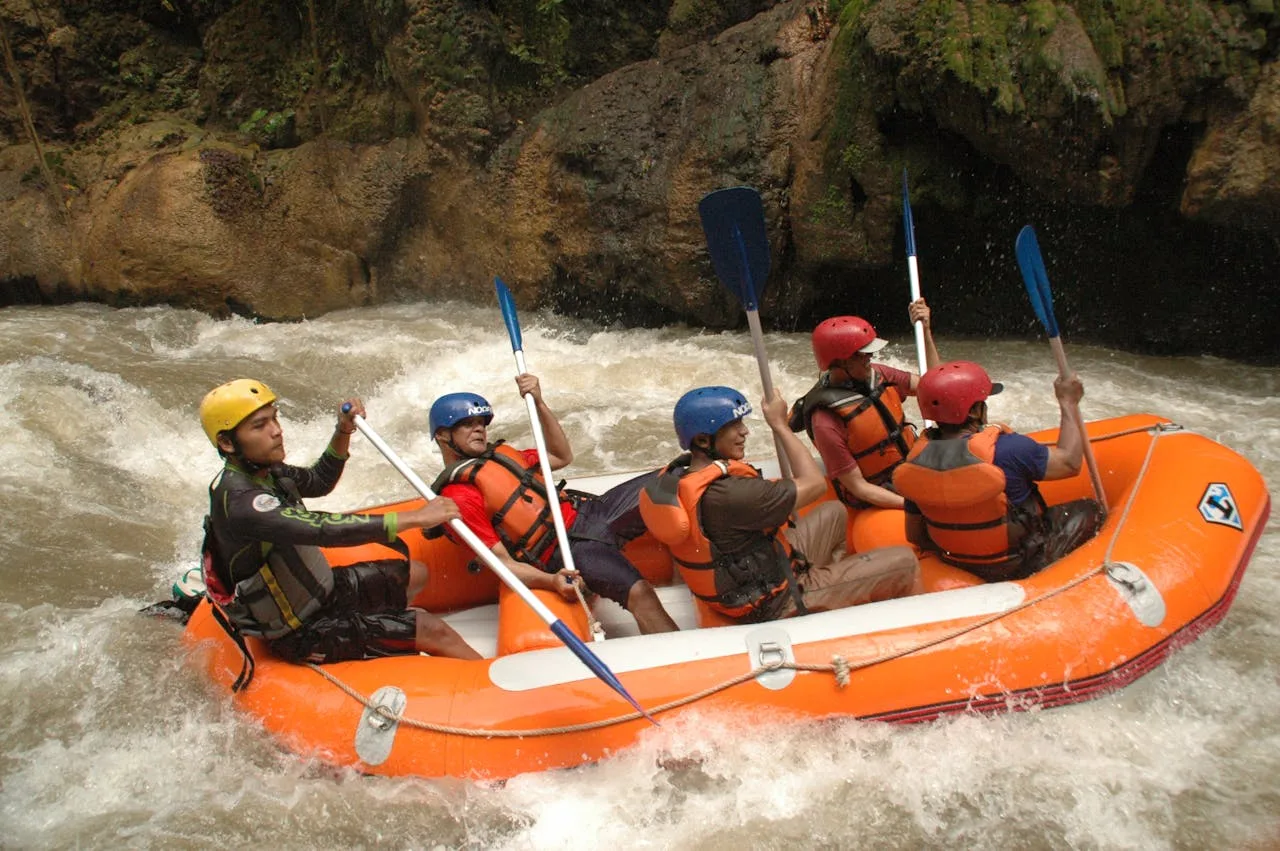
Rafting through the Grand Canyon is often described as a once-in-a-lifetime adventure and for good reason. Few experiences combine raw natural beauty, geological wonder, physical challenge, and deep solitude quite like traveling the Colorado River through this iconic landscape. For first-time rafters, however, the idea of navigating hundreds of miles of canyon, rapids, and remote wilderness can feel overwhelming. Understanding what to expect before you go can make the difference between a stressful trip and an unforgettable one.
If you’re considering your first Grand Canyon rafting experience, here are the most important things you should know before you launch.
- Understand the Different Types of Rafting Trips
Not all Grand Canyon rafting trips are the same. One of the first decisions you’ll need to make is what style of trip fits you best.
- Motorized raft trips use larger boats with engines and typically last 6–8 days. They cover more distance each day and are often chosen by people with limited vacation time.
- Oar-powered trips are slower, quieter, and more traditional, usually lasting 12–18 days. These allow more time for hiking and exploring side canyons.
- Paddle trips involve guests actively paddling under a guide’s direction. These trips are physically demanding but highly engaging.
- Dory or specialty trips cater to specific interests, such as photography, fishing, or history.
Many first-time rafters find it helpful to use a trip-planning service such as Advantage Grand Canyon to understand trip lengths, rafting styles, and logistics before committing.
- Be Prepared for Big Rapids
The Grand Canyon is famous for its whitewater, but the river experience isn’t constant adrenaline. Rapids like Lava Falls, Hermit, and Crystal are powerful and exciting, yet they are spaced out by long stretches of calm water.
For first-time rafters, this means:
- You don’t need prior rafting experience to enjoy the trip.
- You should be ready for a mix of thrill and relaxation.
- Patience matters some days are more about scenery and reflection than action.
Guides handle the technical navigation, so your job is simply to listen, hold on, and enjoy the ride.
- Physical Fitness Matters
You don’t have to be an extreme adventurer to raft the Grand Canyon, but basic fitness is important. Days often involve:
- Climbing in and out of boats
- Hiking over uneven terrain
- Carrying personal gear
- Sitting for long periods in the sun
Paddle trips in particular require sustained upper-body effort. If you can walk several miles, climb ladders or rocks, and tolerate heat, you’re likely fit enough. Preparing with light cardio, hiking, and core strengthening before your trip can greatly improve your comfort.
- Expect Extreme Weather Swings
One of the biggest surprises for first-time rafters is how dramatically the weather can change. The Grand Canyon creates its own microclimates.
- Summer temperatures can exceed 100°F (38°C) during the day, while nights cool off significantly.
- Spring and fall offer milder days but chilly mornings and evenings.
- Winter trips can be cold, with icy water and frosty campsites.
You’ll need layered clothing, sun protection, and rain gear regardless of the season. The river itself stays cold year-round, so getting wet can feel refreshing or shocking.
- You’ll Be Completely Off the Grid
Once you launch, you are truly remote. There is:
- No cell service
- No Wi-Fi
- No easy way out
For many people, this is the most rewarding part of the experience. Being disconnected allows you to focus fully on the canyon, the river, and the people around you. That said, it can be mentally challenging if you’re not used to unplugging.
Before you go, let family and friends know you’ll be unreachable, and embrace the rare chance to live simply for a while.
- Camping Is Part of the Experience
Each night, you’ll camp on sandy beaches along the river. Campsites are stunning but primitive.
Expect:
- Sleeping under the stars
- Basic toilet systems (often portable)
- Simple but hearty meals prepared by guides
- Shared responsibilities like setting up camp or helping with cleanup
If you’ve never camped before, don’t worry guides are experienced, and equipment is provided. Still, a flexible attitude and sense of humor go a long way.
- Permits Are Highly Competitive
One of the biggest barriers to rafting the Grand Canyon is the permit system. Private trips require permits that are awarded through a lottery, and wait times can be years.
Commercial trips, while more expensive, remove the permit hassle and provide professional guides, food, and gear. First-time rafters often choose guided trips because they reduce complexity and increase safety.
Planning well in advance is essential, especially if you have specific dates in mind.
- The Canyon Is More Than Just the River
Many first-time rafters are surprised to learn how much of the experience happens off the river. Daily hikes lead to:
- Hidden waterfalls
- Ancient Ancestral Puebloan ruins
- Slot canyons and side creeks
- Fossils and unique rock formations
These hikes vary in difficulty, and participation is usually optional, but they often become the most memorable part of the trip.
- Respect the Canyon
The Grand Canyon is a protected natural treasure. Leave No Trace principles are strictly followed on rafting trips, including packing out waste and minimizing environmental impact.
As a first-time rafter, respecting the canyon means:
- Following guide instructions
- Treating wildlife with care
- Being mindful of water and resource use
- Appreciating the cultural and historical significance of the area
This shared responsibility helps preserve the canyon for future generations.
Final Thoughts
A Grand Canyon rafting trip is not a luxury vacation it’s an immersive wilderness journey. It challenges you physically, rewards you emotionally, and leaves a lasting impression long after you return home. For first-time rafters, preparation is key: understanding trip types, physical demands, weather conditions, and logistics will help you choose the experience that’s right for you.
With the right expectations and planning, your first rafting trip through the Grand Canyon can be the start of a lifelong love for river adventures and a story you’ll tell for the rest of your life.