Beyond the Brew: Why Discerning Drinkers Are Switching to Artisan Bean’s Sustainable Coffee
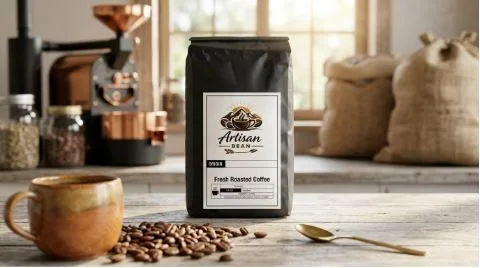
The term “fresh coffee” has been used by mass-market brands for so long it’s almost meaningless.
By any roaster’s standard, most coffee on a supermarket shelf is already stale. Its peak flavor window is measured in days and weeks, not months.
For anyone navigating the booming world of online coffee, the real challenge is telling true quality from clever marketing. But a new class of roasters is emerging, one that prioritizes process over volume.
Among them, Artisan Bean stands out with an uncompromising model built on a single idea: coffee should be the best part of your day.
What Does ‘Sustainable Coffee’ Actually Mean for the Drinker?
When people hear “sustainable coffee,” they usually think of environmental certifications. While that’s a big part of it, the term means much more to the consumer, touching on ethics, transparency, and ultimately, quality.
A truly sustainable coffee comes from a healthy supply chain, supporting everyone from the farmer to the final flavor in your cup. That’s why the model of direct trade coffee beans makes such a difference.
Brands like Artisan Bean partner directly with sustainable farms in places like Honduras and Colombia, bypassing the tangled commodity market entirely.
This way, farmers get paid fairly for their best beans, which encourages them to use careful cultivation and harvesting methods. For you, the person brewing the coffee, it simply means a better product. The transparency of ethical sourcing means you’re not just buying a random bag of beans. You’re investing in a specific harvest from a producer you can name, which leads to a cleaner, more complex, and consistent taste.
The Freshness Factor: Roasted to Order vs. Store-Bought
Coffee loses its quality fastest right after it’s roasted. Those delicate, aromatic compounds that give you notes of jasmine, chocolate, or citrus start to break down almost immediately.
This is the basic problem with the way most coffee is sold in stores. The difference becomes clear when you compare the two models side-by-side.
- Freshness & Roasting: Coffee from the supermarket is roasted in huge batches, then bagged and sent to a warehouse. It can sit there for weeks or even months before you see it on a shelf. Artisan Bean does the opposite: they roast your coffee to order. The beans aren’t touched until you place your order, which means they’re shipped at their absolute peak of flavor.
- Flavor Profile: Mass production leads to a flat, often bitter taste that’s designed to last on a shelf forever. By contrast, micro-batch roasting gives craft coffee brands precise control. This allows them to bring out the unique, delicate notes you find in single-origin beans from places like Brazil or Peru.
- Sourcing Transparency: A generic bag labeled “100% Arabica” doesn’t tell you much. With an online coffee store like Artisan Bean, you can choose beans based on their origin and learn the story and tasting notes of a specific farm or region. That transparency is what really separates craft from commercial coffee.
How the Online Specialty Coffee Market Growth Affects Your Choices
The specialty coffee market isn’t just growing, it’s moving online.
Recent industry data indicates that the online channel has solidified its dominance in the global specialty coffee market, now accounting for nearly half of all retail sales as of 2025 and continuing to be the industry’s fastest-growing segment.
With the U.S. specialty coffee market now valued at an estimated $111.5 billion in 2025—far exceeding previous 2024 projections—shoppers are benefiting from a record-breaking variety of ethically sourced and artisanal options. But this boom also creates a lot of noise.
With so many micro batch roasters and subscription services out there, it can be overwhelming. In a crowded field, the brands that actually deliver on quality and freshness are the ones that will keep customers coming back. This is where Artisan Bean’s approach gives them an edge.
Many roasters roast their beans weekly, but the commitment to roasting only after an order comes in is a logistical hurdle most aren’t willing to clear. It sends a clear message that their business is driven by flavor, not inventory efficiency.
User Experience: From Click to First Sip
Great coffee isn’t enough if it’s a pain to buy. For a premium brand selling directly to you, the online experience has to be smooth.
Artisan Bean’s website is designed to be simple, reflecting the same care they put into their coffee. You can easily browse everything from their popular Latin American Blend to specific single-origin beans, and even a curated selection of artisan tea blends like Hibiscus Berry and Masala Chai.
Once you choose your coffee, their process kicks in. The beans are roasted in small batches, packed by hand, and shipped right to you. They also remove a common headache for online shoppers, shipping costs, with a clear “Free US Shipping on All Orders!” policy. It helps make a premium product feel more like an accessible luxury.
The whole experience is built around that feeling of anticipation, knowing the coffee on its way to you was made just for you, not pulled from a stockroom shelf.
Why Is Artisan Coffee More Expensive?
People often wonder why a $23.99 bag of single-origin beans costs so much more than a $10 bag from the supermarket. The price of artisan coffee directly reflects the work that goes into it. It’s not a random markup; it’s an honest price for what it takes to create a better, more ethical product.
That higher price tag supports a few key things you just don’t get with commercial coffee.
- Fair Farmer Compensation: Through direct trade, farmers are paid a premium for their best beans, which is crucial for the financial health of their communities.
- Meticulous Roasting: Small-batch roasting is a craft that needs a skilled person watching over it, not a huge, automated industrial process.
- Superior Green Beans: It simply costs more to source high-altitude, specialty-grade arabica beans than it does to buy commodity-grade coffee.
Who Should Choose Artisan Bean?
Artisan Bean is made for a certain kind of coffee drinker, one who’s tired of the disappointment that comes with mass-market coffee.
It might not be for everyone, but it’s a perfect match for a few types of people:
- The at-home brewing enthusiast who has invested in a good pour-over or French press and understands that the bean is the most important part of the equation.
- The daily coffee drinker who simply wants a reliably delicious, aromatic cup without bitterness, whether they add milk and sugar or not.
- The ethically-minded consumer who values transparency and wants to support sustainable farming practices and direct trade models.
- The gift-giver looking for a premium, thoughtful item for a coffee or tea lover, with options ranging from sample packs to branded travel mugs.
Potential Downsides and Key Considerations
Of course, no product is perfect for everyone, and it’s important to be upfront about the trade-offs. The main thing to consider with Artisan Bean is their “roasted to order” model. While it’s their biggest strength, it does mean you have to plan ahead.
You can’t just grab it off a shelf like at the supermarket; you’ll need to wait a few days for roasting and shipping. If you’re someone who often runs out of coffee and needs a bag right away, you’ll have to adjust how you buy it.
Also, the price, while fair for the quality and ethical sourcing, definitely puts it in the premium category. If cost is your number one priority, commercial brands might be a better fit. Artisan Bean is really for people who see coffee as more than just a way to get caffeine—it’s for those who see it as a daily ritual worth doing right.
Key Takeaways
If you’re looking to upgrade your coffee at home, the answer is simple: stop buying off the shelf and start buying from roasters who put freshness and sustainability first. Artisan Bean’s approach offers a few clear takeaways for anyone who loves good coffee.
- Sustainability Is Quality: Ethical partnerships with farms aren’t just a feel-good story; they’re essential for getting the world’s best beans.
- Freshness Is Non-Negotiable: Roasting to order is the only way to guarantee peak flavor and aroma, which settles the debate between fresh-roasted and store-bought coffee.
- Price Reflects Value: The higher cost of premium coffee is an investment in fair wages for farmers, careful craftsmanship, and a much better-tasting cup.
- Convenience Has Been Redefined: With free U.S. shipping, getting top-tier, freshly roasted coffee delivered is often more convenient than grabbing a stale bag from the local store.
In the end, the shift toward sustainable coffee brands comes from a simple desire for something better.
By building its entire business around delivering the freshest product possible, Artisan Bean offers a great option for anyone who believes their daily coffee should be exceptional.
And when you factor in the free shipping, the overall value from Artisan Bean is very competitive for a premium coffee. The price is really an investment in a standard of quality you can taste.