Avoid Common Mistakes in Electric Foldable Bike Maintenance
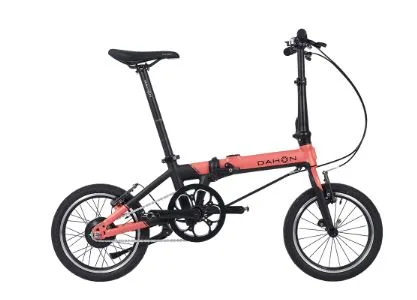
Electric foldable bikes have revolutionized urban commuting and recreational cycling, offering unmatched convenience for adults who value portability without sacrificing performance. Their compact design and powerful motors make them ideal for mountain bikers and daily commuters alike. However, this convenience comes with a responsibility: proper maintenance is essential to keep your bike running smoothly and safely. Poor maintenance practices can quickly degrade performance, compromise safety, and significantly shorten your bike’s lifespan. Many riders overlook critical care areas, from electrical systems to folding mechanisms, leading to costly repairs and frustrating downtime. This article addresses the most common maintenance mistakes and provides practical solutions to avoid them. We’ll explore essential components like battery care, motor maintenance, folding joint lubrication, brake system management for 20″ V-brake bikes, and accessory upkeep. By understanding these key areas and implementing straightforward maintenance routines, you can ensure your electric foldable bike remains reliable, safe, and ready for every adventure.
Understanding Your Electric Foldable Bike’s Unique Components
Electric foldable bikes for adults integrate sophisticated systems that demand specialized attention. Unlike traditional bicycles, these machines combine mechanical and electrical elements within a compact, space-saving frame. The motor provides propulsion assistance, the battery stores and delivers energy, the folding joints enable portability, and the frame must support both structural integrity and repeated folding cycles. Each component interacts with the others, creating a delicate balance that requires tailored maintenance strategies. The motor depends on consistent electrical supply and proper cooling, while the battery’s performance directly impacts range and reliability. Folding joints experience unique stress patterns during compression and extension, requiring specific lubrication and inspection protocols. Understanding how these systems work together helps you identify potential issues before they escalate into serious problems. Traditional bike maintenance knowledge alone isn’t sufficient for electric foldable models. You need to recognize that electrical components are sensitive to moisture and corrosion, mechanical joints need protection from debris, and the overall system benefits from preventive care rather than reactive repairs. This foundational knowledge sets the stage for addressing the specific mistakes that compromise performance, safety, and longevity in these innovative bikes.
Avoiding Critical Electrical System Mistakes
The electrical system is the heart of your electric foldable bike, yet it’s often the most neglected component in maintenance routines. Battery care represents the most critical area, as improper charging practices can permanently reduce capacity and lifespan. Many riders make the mistake of leaving batteries on chargers overnight or using incompatible power adapters, which generates excessive heat and degrades internal cells. Store your battery in a cool, dry location between 50-77°F, and charge it only when the indicator shows depletion to roughly 20 percent. Avoid exposing the battery to extreme temperatures, moisture, or direct sunlight, as these conditions accelerate degradation and create safety hazards.
Motor maintenance requires regular inspection of electrical connections and cooling systems. Check all wire connections monthly for signs of corrosion, looseness, or damage, as poor connections reduce power delivery and create intermittent failures. Moisture is the motor’s primary enemy—ensure water doesn’t accumulate around electrical components, especially after riding in wet conditions. Wipe down the motor housing with a dry cloth and allow adequate ventilation for cooling. When troubleshooting electrical issues, always consult the manufacturer’s manual before attempting repairs, as improper handling can damage sensitive circuits. Follow the recommended charging protocol precisely, never attempt to modify the electrical system yourself, and replace damaged cables immediately rather than attempting temporary fixes. These straightforward practices prevent costly electrical failures and ensure your bike remains safe and reliable for every ride.
Folding Mechanism Care and Common Errors
The folding mechanism is what makes your electric foldable bike truly portable, yet it’s frequently subjected to careless handling that compromises its integrity. Many riders force the folding joints closed without ensuring proper alignment, which stresses hinges and creates misalignment that worsens over time. Others neglect lubrication entirely, allowing friction and corrosion to build up in the joints, making folding progressively harder and increasing wear on mechanical components. These mistakes accumulate quickly, transforming a smooth, effortless fold into a frustrating struggle that threatens the bike’s structural reliability. DAHON Bicycles, a pioneer in folding bike design for over four decades, engineered their folding mechanisms with precision hinges that reward proper maintenance with years of smooth, reliable operation.
Proper folding technique begins with understanding your bike’s specific design and following the manufacturer’s instructions precisely. Always check that the frame is fully extended before unfolding, and ensure all joints align correctly before applying pressure. When folding, move deliberately and smoothly without forcing any component—resistance indicates misalignment that requires correction before proceeding. Apply a light machine oil or silicone-based lubricant to all folding joints monthly, working the lubricant into hinges and pivot points while rotating the joints gently. Wipe away excess lubricant to prevent dirt accumulation. Inspect joints quarterly for signs of wear, cracks, or loose bolts, tightening fasteners as needed and replacing any visibly damaged components. Store your folded bike in a dry environment to prevent rust formation at the joints. By treating the folding mechanism with respect and maintaining consistent lubrication schedules, you preserve the portability that defines your electric foldable bike and ensure reliable performance for years of commuting and adventure.
Maintaining Your 20″ V-Brake System for Optimal Performance
Mountain bikers using electric foldable bikes depend heavily on reliable braking systems, making V-brake maintenance absolutely critical for safety and control. The 20″ V-brake configuration common on compact bikes experiences unique demands—the smaller wheel size means higher rotational speeds relative to larger wheels, requiring precise brake responsiveness. However, many riders neglect V-brake care until performance noticeably deteriorates, by which point damage has already accumulated. Common oversights include ignoring brake pad wear indicators, allowing cable tension to drift out of adjustment, and permitting contamination from dirt and moisture to compromise braking surfaces. These mistakes create progressively weaker stopping power, longer braking distances, and increased risk of accidents during critical moments.
Effective V-brake maintenance begins with understanding the system’s components: the brake pads, which create friction against the rim; the cables, which transmit lever pressure; and the springs and arms, which position the pads correctly. Inspect your brake pads monthly by visually checking their thickness—pads should be replaced when they wear down to approximately 1-2mm remaining material. Clean the braking surfaces regularly using a soft cloth and mild degreaser, removing accumulated dirt and oil that reduce friction and braking effectiveness. Check cable tension by squeezing the brake lever; it should feel firm with adequate resistance, neither too loose nor excessively tight. Adjust cable tension using the barrel adjuster on the brake lever or caliper, turning counterclockwise to increase tension and clockwise to decrease it. Ensure the brake arms move freely without binding, and verify that pads strike the rim squarely without rubbing the tire. These straightforward maintenance practices keep your 20″ V-brake system responsive, reliable, and ready for confident descents and emergency stops.
Step-by-Step V-Brake Maintenance Routine
Begin your V-brake maintenance routine with a visual inspection of both brake pads, checking for uneven wear patterns that indicate misalignment. Remove the wheel if necessary to access the braking surface thoroughly, then clean the rim with a degreaser and cloth, removing all accumulated grime and oil. Inspect the brake cables for fraying, kinks, or visible damage, replacing them immediately if compromised. Next, check brake pad alignment by spinning the wheel slowly and observing whether pads contact the rim evenly without rubbing the tire—misaligned pads should be repositioned by loosening the mounting bolts, aligning correctly, and retightening. Test brake lever feel and stopping power by squeezing firmly; inadequate response indicates cable tension adjustment is needed. Use the barrel adjuster to fine-tune tension, making quarter-turn adjustments and testing between each change. Verify that brake springs return pads to their resting position smoothly without sticking. Finally, check all fasteners for tightness, including the cable anchor bolts and pad mounting bolts, as vibration can gradually loosen components. Perform this complete routine quarterly for mountain bikers, or monthly if you ride frequently in wet or dirty conditions where contamination accelerates wear.
Choosing and Maintaining Bicycle Accessories: Spotlight on SKS Fenders
Bicycle accessories play a vital role in protecting your electric foldable bike and enhancing its functionality, yet many riders underestimate their importance in a comprehensive maintenance strategy. Quality fenders shield your bike’s mechanical and electrical components from water spray, mud, and road debris that accumulate during wet weather riding. Without proper fender protection, moisture infiltrates sensitive areas like the motor, battery connections, and folding joints, accelerating corrosion and electrical failures. SKS Fenders represent an excellent choice for electric foldable bikes with 20″ wheels, offering durability, lightweight construction, and straightforward installation that complements your bike’s compact design. These fenders are engineered to fit snugly without interfering with the folding mechanism, maintaining your bike’s portability while providing comprehensive coverage. When selecting fenders, prioritize compatibility with your specific wheel size and frame geometry, ensuring they don’t obstruct brake systems or create rubbing during compression. Installation requires minimal tools—typically just a screwdriver and Allen wrench—and takes approximately 15 minutes per fender. Position fenders carefully to maintain adequate clearance from tires and folding components, then secure all mounting bolts firmly to prevent vibration-related loosening. Maintenance involves regular cleaning with mild soap and water to remove accumulated dirt and salt, periodic inspection for cracks or damage, and occasional realignment checks to ensure fenders remain centered and don’t contact tires during riding or folding.
Why SKS Fenders Are Ideal for Electric Foldable Bikes
SKS Fenders stand out as an ideal accessory choice for electric foldable bikes due to their thoughtful engineering and proven reliability across diverse riding conditions. Their lightweight plastic construction resists corrosion and doesn’t add significant weight to your already compact bike, preserving the portability that defines your riding experience. SKS models designed for 20″ wheels integrate seamlessly with foldable frame designs, featuring flexible mounting points that accommodate the unique geometry of compact bikes without compromising fold integrity. The fenders’ coverage extends far enough to protect critical components like motor housings and battery connections from water spray and road debris, yet they remain unobtrusive and don’t interfere with brake operation or wheel rotation. Installation compatibility is exceptional—SKS Fenders work with standard frame attachment points and require no modifications to your bike’s structure. Their modular design allows independent front and rear installation, so you can prioritize protection based on your riding environment. For mountain bikers using 20″ V-brake systems, SKS Fenders maintain adequate clearance from brake calipers and pads, ensuring braking performance remains uncompromised. The fenders’ smooth interior surfaces facilitate easy cleaning and prevent debris accumulation that could create drag or noise during rides. By integrating SKS Fenders into your accessory lineup, you invest in long-term component protection and extend your electric foldable bike’s operational lifespan significantly.
Implementing a Comprehensive Bike Maintenance Routine
Establishing a structured maintenance routine transforms bike care from overwhelming to manageable, ensuring every component receives appropriate attention at the right intervals. Daily checks take just minutes and prevent many common issues before they escalate. Before each ride, inspect tire pressure to maintain optimal performance and safety, verify that the folding mechanism locks securely in both extended and folded positions, and squeeze brake levers to confirm responsive stopping power. These quick assessments catch problems early and build familiarity with your bike’s normal feel, making anomalies immediately apparent. Weekly inspections dive deeper into system integrity. Check all electrical connections for corrosion or looseness, wipe the motor housing with a dry cloth to prevent moisture accumulation, and inspect brake pads for wear progression. Verify that your 20″ V-brake system operates smoothly without rubbing or binding, and ensure SKS Fenders remain properly aligned without contacting tires during rotation or folding.
Monthly deep cleaning and maintenance sessions address components that require more thorough attention. Clean your entire bike with mild soap and water, paying special attention to the battery connections, motor housing, and folding joints where moisture and debris concentrate. Apply lubricant to all folding joints and pivot points, working the lubricant through the mechanisms while rotating gently. Inspect the battery for physical damage and verify it charges to full capacity within expected timeframes—significant deviations indicate degradation requiring professional evaluation. Check all fasteners throughout the bike, tightening bolts that vibration may have loosened during rides. Examine brake cables for fraying or damage, and clean the 20″ V-brake rim surfaces thoroughly with degreaser to restore braking effectiveness. Create a written checklist incorporating these daily, weekly, and monthly tasks, checking off completed items to maintain accountability and consistency. Consider scheduling seasonal deep inspections where you systematically evaluate every component, replacing worn parts before failure occurs. This comprehensive approach prevents the common maintenance mistakes discussed throughout this article, keeping your electric foldable bike reliable, safe, and performing at its peak for every commute and adventure.
Extend Your Bike’s Lifespan Through Consistent Care
Proper maintenance of your electric foldable bike is not merely a suggestion—it’s an investment in safety, reliability, and long-term performance. The common mistakes outlined throughout this article, from neglecting battery care to forcing folding joints and overlooking brake system maintenance, accumulate quietly until they compromise your riding experience and threaten your safety. Mountain bikers relying on 20″ V-brake systems face particular responsibility to maintain consistent braking performance, as stopping power directly impacts control on challenging terrain. By implementing the practical solutions discussed—establishing optimal charging protocols, respecting folding mechanisms with proper lubrication, maintaining responsive brakes through regular inspection and adjustment, and integrating quality accessories like SKS Fenders—you transform maintenance from a burdensome chore into a straightforward routine that extends your bike’s operational lifespan significantly. The structured maintenance approach combining daily checks, weekly inspections, and monthly deep cleaning ensures every component receives appropriate attention before problems escalate into costly repairs. Your electric foldable bike represents a sophisticated investment in convenient, efficient transportation; it deserves the care necessary to protect that investment. Apply the outlined solutions consistently, follow manufacturer guidelines precisely, and approach each maintenance task with the understanding that these efforts directly enhance your safety and riding enjoyment. With proper care and attention to these essential practices, your electric foldable bike will remain a reliable companion for countless commutes and adventures ahead.