Find Your Perfect Bunion Friendly Sneakers with Easy Wash Care
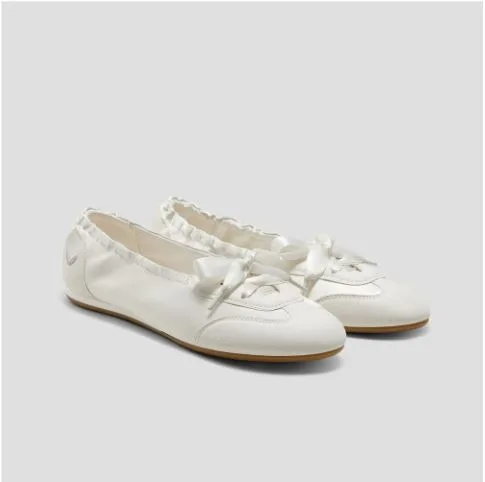
If you’ve ever winced while lacing up your favorite sneakers, feeling that familiar throb radiating from the base of your big toe, you know how much bunions can disrupt even the simplest activities. Walking the dog, running errands, or just standing through a long workday becomes an exercise in endurance rather than enjoyment. The frustrating part? Most sneakers on the market seem designed for textbook-perfect feet, leaving millions of bunion sufferers to choose between style and comfort — a trade-off nobody should have to make.
The good news is that bunion friendly sneakers have evolved dramatically, offering designs that look sharp, feel great, and won’t punish your feet for having a common condition. Better yet, many of today’s best options come with easy wash care features, so keeping them fresh is as simple as tossing them in the machine. This guide walks you through everything you need to know — from understanding what makes a sneaker truly bunion friendly, to identifying the key comfort and style features that matter most, to selecting your perfect pair with a clear, step-by-step approach. Whether you’re a dedicated sneaker enthusiast or simply someone who refuses to let bunions dictate your footwear choices, you’ll find practical answers here.
Understanding Bunion Friendly Sneakers: What They Are and Why They Matter
Bunion friendly sneakers are specifically engineered to accommodate the bony protrusion that forms at the base of the big toe joint, a condition affecting roughly one in three adults. Unlike regular sneakers that taper toward the front and squeeze the forefoot into a narrow space, bunion friendly sneakers feature a wider, more anatomically shaped toe box that gives your toes room to spread naturally. This seemingly simple design difference has a profound impact on how your feet feel throughout the day.
From an anatomical perspective, bunions develop and worsen when consistent pressure pushes the big toe inward toward the smaller toes. Standard sneakers often contribute to this problem by compressing the forefoot, increasing friction and inflammation around the already-sensitive joint. Bunion friendly sneakers counteract this by redistributing pressure across a broader surface area, reducing the concentrated force on the bunion itself. Many also incorporate stretchable upper materials that flex with the foot’s natural movement rather than fighting against it.
Why does this matter beyond just pain relief? Unchecked bunion irritation can lead to bursitis, hammertoes, and altered gait patterns that eventually cause knee, hip, and lower back problems. Wearing the right sneakers isn’t just about surviving your daily walk — it’s a preventive health measure. When your feet are properly supported and free from unnecessary pressure, your posture improves, your stride becomes more efficient, and activities you may have started avoiding become enjoyable again. Choosing bunion friendly sneakers is one of the most impactful decisions you can make for your long-term foot health and overall quality of life.
Key Features for Stylish and Comfortable Sneakers for Daily Use
Finding comfortable sneakers that also look good enough for everyday wear used to feel like chasing a unicorn — especially when bunions are part of the equation. Today’s market has caught up with demand, and the best casual sneakers now blend thoughtful engineering with designs you’d actually want to be seen wearing. The key is knowing which features to prioritize so you’re not swayed by marketing alone.
A wide toe box sits at the top of the must-have list, giving your bunion space to exist without constant friction. But width alone isn’t enough. Look for uppers made from breathable knit or engineered mesh that stretch gently over the bunion area while maintaining structure elsewhere. These materials conform to your foot’s unique shape over time, creating a semi-custom fit that rigid leather or synthetic panels simply can’t match. Cushioned insoles — particularly those that are removable — add another layer of versatility, allowing you to swap in custom orthotics if your podiatrist recommends them. A flexible yet supportive midsole rounds out the comfort trifecta, absorbing shock with each step so your forefoot doesn’t bear the brunt of impact.
What makes modern bunion friendly options genuinely exciting is that designers have stopped treating comfort shoes as an afterthought in the style department. Sleek silhouettes, low-profile soles, and contemporary colorways mean your casual sneakers can pair just as easily with jeans and a blazer as they do with athletic wear. You no longer need to sacrifice aesthetics to keep your feet happy — the right pair delivers both.
Cushioning and Support Technologies
The cushioning system inside a sneaker determines how your feet feel after hour three, hour six, and beyond. Memory foam footbeds have become a popular baseline, molding to the contours of your foot and providing targeted relief around pressure-sensitive areas like the bunion joint. However, not all memory foam performs equally — higher-density versions retain their shape better over months of use, while cheaper alternatives flatten quickly and lose their supportive qualities. Dual-density midsoles take things further by combining a softer layer near the heel for shock absorption with a firmer layer under the midfoot for stability. This balance is particularly important for bunion sufferers, because an unstable platform can cause your foot to roll inward, placing additional stress on the already-compromised big toe joint. Arch support is another critical element that often gets overlooked. Proper arch contouring keeps your foot aligned from heel to toe, preventing the kind of overpronation that accelerates bunion progression. Some sneakers integrate molded arch support directly into the insole, while others rely on the midsole geometry itself. Either approach works, as long as you feel firm support under your arch rather than a flat, featureless surface. For extended wear — think all-day work shifts or long travel days — look for energy-return foam technologies that spring back with each step rather than simply compressing. Your feet will thank you by evening.
Aesthetic Design Without Compromise
Gone are the days when bunion friendly footwear meant clunky, orthopedic-looking shoes that screamed “medical device.” The current generation of comfortable sneakers proves that form and function can coexist beautifully. Brands have embraced minimalist silhouettes with clean lines that disguise the wider toe box through clever pattern engineering and seamless upper construction. From the outside, many of these sneakers are indistinguishable from their standard-width counterparts. Color palettes have expanded well beyond basic white and beige. You’ll find everything from muted earth tones and classic monochromes to bold seasonal colorways that let you express personal style. Knit uppers lend a modern, athleisure-forward look that transitions smoothly from morning workouts to afternoon coffee runs. Some brands even offer interchangeable insole systems within fashion-forward designs, so the same sleek sneaker adapts to both casual outings and more demanding activities. The sneaker community has taken notice, and several well-known brands now build bunion accommodating features into their most popular lifestyle models rather than relegating them to a separate “comfort” line. This mainstreaming means you can shop with confidence, knowing that choosing foot health doesn’t mean stepping outside current trends. The right pair complements your wardrobe while quietly doing serious work for your feet.
The Importance of Easy Wash Care: Machine Washable Sneakers
When you’re wearing sneakers daily to manage bunion comfort, those shoes accumulate sweat, dirt, and odor far faster than occasional-use footwear. Hygiene becomes more than a cosmetic concern — bacteria thriving in damp, unwashed shoes can lead to skin irritation and infections, particularly around the sensitive bunion area where friction already compromises the skin’s protective barrier. This is exactly why machine washable sneakers have become a game-changer for anyone prioritizing both foot health and convenience.
Sneakers designed for easy wash care typically use quick-drying knit uppers and removable insoles that can be cleaned separately, ensuring every component gets thoroughly refreshed. Brands like VIVAIA have leaned into this approach, crafting knit sneakers specifically built to handle regular machine washing while maintaining their shape and cushioning integrity. The practical advantage is enormous: instead of spending twenty minutes scrubbing by hand or relying on sprays that only mask odor, you simply remove the laces and insoles, place the sneakers in a mesh laundry bag, and run a gentle cold-water cycle. This routine not only eliminates bacteria but also restores the breathability of the upper material, which directly affects how comfortable the shoe feels against your bunion during wear.
To protect your sneakers during washing, always skip the dryer. High heat can warp midsole foam, break down adhesives, and shrink knit uppers — all of which compromise the fit and cushioning your bunions depend on. Instead, stuff the shoes with crumpled paper towels to absorb moisture and maintain their shape, then air dry them in a well-ventilated spot away from direct sunlight. Establishing a regular wash cycle every two to three weeks keeps your sneakers performing like new and extends their usable lifespan significantly, making machine washable construction one of the smartest features to look for alongside bunion friendly design.
How to Choose Your Perfect Pair: A Step-by-Step Guide
Knowing what features matter is one thing — actually narrowing down your options and walking out with the right pair is another challenge entirely. The sneaker market is flooded with choices, and when you’re factoring in bunion accommodation, style preferences, and wash care convenience, the decision can feel overwhelming. Breaking the process into clear, manageable steps takes the guesswork out of shopping and ensures you end up with sneakers that genuinely work for your feet and your life.
Step 1: Evaluate Your Foot Needs and Lifestyle
Before browsing a single product page, take an honest inventory of how you’ll actually use your sneakers. Someone who needs comfortable sneakers for eight-hour nursing shifts has very different requirements than a weekend walker who wants casual sneakers for brunch and errands. Start by assessing your bunion severity — mild bunions may only need a roomy toe box, while more pronounced ones benefit from stretchable uppers and extra depth to prevent rubbing. Consider getting a professional foot assessment or using a wet-foot test at home to determine your arch type and pronation pattern, since these directly influence which support features you should prioritize. Next, think about your daily routine. If you’re on your feet constantly, performance sneakers with energy-return cushioning and robust arch support should top your list. If your days involve moderate walking mixed with desk time, a lighter lifestyle sneaker with adequate padding will serve you well without unnecessary bulk. Also factor in the environments you frequent — wet commutes and muddy trails demand water-resistant or quick-drying materials, while indoor settings allow you to prioritize breathability above all else. Matching the shoe to your actual lifestyle prevents the common mistake of buying based on looks alone and regretting it within a week.
Step 2: Testing and Fitting Strategies
Timing your shopping trip matters more than most people realize. Feet naturally swell throughout the day, and by late afternoon they can be up to half a size larger than they were in the morning. Always try on sneakers during the latter part of the day to ensure they’ll remain comfortable during your longest stretches of wear. Bring the socks you’d typically pair with sneakers — thicker athletic socks change the fit noticeably compared to thin no-show options, and you want to replicate real-world conditions as closely as possible. When you lace up, stand and walk around for at least five minutes rather than just wiggling your toes while seated. Pay close attention to the space around your bunion: you should be able to press gently on the side of the shoe without feeling the bony prominence pushing hard against the upper. There should be roughly a thumb’s width of space between your longest toe and the front of the shoe. Check that the heel sits snugly without slipping, because a loose heel forces your foot to slide forward and jam the bunion against the toe box — defeating the entire purpose of a wider design. If you’re shopping online, prioritize retailers with generous return policies so you can test the sneakers at home on carpet before committing.
Step 3: Final Selection and Maintenance Routine
With your top candidates identified, run them through a final checklist before purchasing. Confirm the sneakers offer a wide or anatomically shaped toe box, cushioning suited to your activity level, removable insoles for orthotic flexibility, and machine washable construction. These four elements together create the ideal bunion friendly sneaker that also stays fresh with minimal effort. Once you’ve made your selection, establish a maintenance routine from day one. Rotate between at least two pairs if possible — this gives each pair time to fully dry between wears, reducing bacterial buildup and extending foam resilience. Set a reminder to wash your sneakers every two to three weeks using the cold-water, air-dry method, and clean the insoles separately with mild soap to keep odor at bay. Inspect the midsole cushioning monthly by pressing your thumb into the heel area; if it doesn’t spring back readily, the foam is breaking down and it’s time to start shopping for replacements. Most quality sneakers maintain their supportive properties for roughly 300 to 500 miles of walking. By combining smart selection with consistent care, your bunion friendly sneakers will deliver lasting comfort, clean style, and dependable performance far longer than neglected alternatives ever could.
Step Into Comfort: Prioritize Your Foot Health Today
Living with bunions doesn’t mean resigning yourself to ugly shoes or constant foot pain. As this guide has shown, today’s bunion friendly sneakers deliver the wide toe boxes, supportive cushioning, and stretchable materials your feet need — all wrapped in designs that genuinely look good. From understanding why anatomically shaped footwear matters for long-term joint health, to recognizing the cushioning technologies and aesthetic innovations that make modern comfortable sneakers so impressive, you now have a clear framework for evaluating your options with confidence.
Equally important is the role of easy wash care in maintaining both hygiene and shoe performance. Machine washable sneakers simplify your routine and protect the sensitive skin around your bunion from bacterial irritation, while proper air-drying habits preserve the cushioning and fit you depend on. By following the step-by-step selection process — assessing your specific foot needs, fitting strategically, and committing to a regular maintenance schedule — you’re set to find casual sneakers that serve you well for hundreds of miles. Take the next step today: prioritize your foot health, embrace the style options available to you, and stop letting bunions dictate what you can and can’t wear.