The RV Lifestyle Is Closer Than Most Sydney Residents Think and Here Is Why
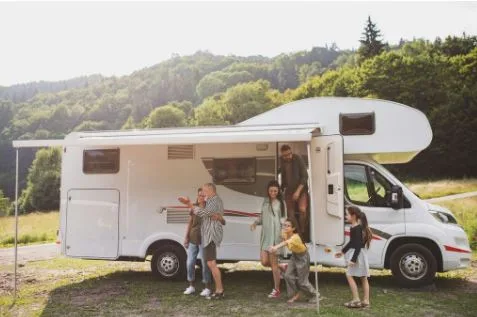
For most Sydney residents, the RV lifestyle sits in a particular category of appealing ideas that never quite make it to the consideration stage. It’s the kind of thing that comes up on a long weekend when the traffic is bad and someone says wouldn’t it be nice to just drive away and not have to book anything. It sounds good in theory, feels financially significant in practice, and gets filed away alongside other aspirations that seem to belong to a different season of life.
What changes that perception, almost universally, is the moment someone actually starts looking into it properly. Not browsing holiday hire websites, but walking around a dealership, sitting inside a well-designed caravan or motorhome, and realising that the gap between where they are and where that lifestyle begins is considerably smaller than the idea of it suggested. For Sydney residents, that moment is more accessible than most people realise, and what follows it tends to change how they think about travel for a long time afterwards.
The Assumptions That Keep People From Looking Seriously
The beliefs that keep most Sydney residents from exploring RV ownership seriously follow a consistent pattern. The first is cost. The assumption that owning an RV requires a level of investment that puts it out of reach for most families sits at the front of most people’s thinking before they’ve actually looked at what’s available and what finance options exist. That assumption is worth questioning, because the range of options across different sizes, configurations, and price points is considerably wider than the image of a large, fully appointed motorhome suggests.
The second assumption is lifestyle fit. RVs get associated with retirees doing extended trips around Australia, which is a genuine and popular use of them, but it’s far from the only one. Families using a caravan for school holiday trips, couples doing long weekend escapes, and individuals who want the flexibility of spontaneous travel without the cost and constraint of accommodation booking all fit within the RV ownership picture in ways that don’t require a dramatic lifestyle change to make work.
The third is complexity. The idea that owning and maintaining an RV involves a level of mechanical knowledge and logistical commitment that most people don’t have keeps a significant number of potential buyers from looking seriously. The reality of buying from a specialist dealership with an onsite service centre, finance and insurance support, and an experienced team who help match the right vehicle to the buyer’s actual travel style removes most of that complexity before it ever becomes the owner’s problem.
What the RV Lifestyle Actually Looks Like for Australian Families
The honest picture of RV ownership for Australian families looks less like a permanent departure from normal life and more like a flexible addition to it. Most RV owners use their vehicle for a combination of long weekend trips, school holiday travel, and the occasional extended journey, fitting the RV around existing commitments rather than reorganising life around the RV.
What changes is the quality and spontaneity of those trips. The ability to leave on a Friday afternoon without having booked accommodation, to change the plan mid-trip without financial consequence, and to arrive somewhere with everything you need already with you produces a travel experience that most families describe as significantly more relaxed than the alternative. The logistics of travel shift from something that requires planning and booking weeks in advance to something that can happen when the moment is right.
For families with children, the contained, familiar environment of a caravan or motorhome changes the dynamics of travel in ways that parents consistently find valuable. Kids sleep in their own space, meals happen on the family’s own schedule, and the experience of travelling together without the disconnection of hotel rooms and restaurant logistics produces a different kind of shared experience. Sydney families looking to find RV hire options in Sydney as a starting point often discover that a single hire trip is enough to shift the conversation from renting to owning entirely.
Why Australian-Made Makes a Difference
The brands that perform best in Australian conditions are almost universally the ones built specifically for them. Australian roads, Australian distances, Australian weather, and the specific demands of Australian campgrounds and off-road travel all place requirements on an RV that vehicles designed for European or North American conditions don’t always meet reliably. The advantage of Australian-made brands like Avida, Crusader, On The Move, and Titanium is that they were engineered with those conditions as the baseline rather than an afterthought.
That engineering shows up in practical ways. Insulation designed for Australian temperature extremes. Chassis and suspension built for the kind of roads that exist beyond the major highways. Water and power systems sized for the distances between reliable services in regional Australia. And construction standards that reflect decades of feedback from Australian owners travelling in Australian conditions. For Sydney buyers considering their first RV purchase, that alignment between vehicle design and the actual environment it will operate in is a meaningful factor that generic or imported alternatives can’t replicate.
The additional benefit of buying Australian-made from a specialist Sydney dealership is the support network that comes with it. Warranty servicing, parts availability, and the kind of practical advice that comes from a team who knows the vehicles they sell because they’re engaged with them every day produces an ownership experience that buyers who purchased through less connected channels consistently say they wish they’d had from the start.
The Decision That Changes How You Travel
The process of buying an RV from a specialist dealership is more straightforward than most first-time buyers expect, and the conversation that starts it tends to be less pressured and more genuinely informative than people anticipate walking in. A good dealership team asks about how the buyer actually wants to travel before showing them anything, because the right vehicle for a couple doing weekend escapes looks very different from the right vehicle for a family planning extended school holiday trips.
That matching process matters more than most buyers realise before they experience it. An RV that fits the buyer’s actual travel style produces an ownership experience that reinforces the decision every time it’s used. One that was chosen on features or price without that alignment produces an experience where something always feels slightly off, and where the vehicle ends up used less than it should be. Taking the time to have that conversation properly at the start of the process is what separates a purchase that changes how a family travels from one that sits in the driveway waiting for the right moment that never quite arrives.
Finance and insurance support through the dealership simplifies the practical side of the purchase considerably. Being able to manage the vehicle selection, finance application, and insurance arrangement through a single provider with experienced staff removes the coordination burden that buying privately or through disconnected channels introduces, and produces a cleaner, more confident path from first conversation to first trip.
Why the Gap Is Smaller Than It Looks
The distance between where most Sydney residents are and where the RV lifestyle begins is almost always smaller than the idea of it suggests. The cost is more accessible than assumed. The lifestyle fit is more flexible than the retiree image implies. The complexity of ownership is more manageable than it appears from the outside, particularly with the right dealership support in place. And the experience of the first trip, whether hired or owned, has a consistent effect on how people think about every holiday after it.
What keeps most Sydney residents from discovering that is never taking the first step of actually looking properly. Not browsing, not assuming, but walking in, having the conversation, sitting in the vehicles, and letting the reality of what’s available replace the assumptions that have been holding the idea at arm’s length. That step is available, it costs nothing, and it tends to produce one of two outcomes. Either the timing genuinely isn’t right, which is useful to know, or the gap closes faster than anyone expected and the first trip becomes a matter of when rather than whether.