How Automotive Experiences Became Part of the Luxury Lifestyle Economy
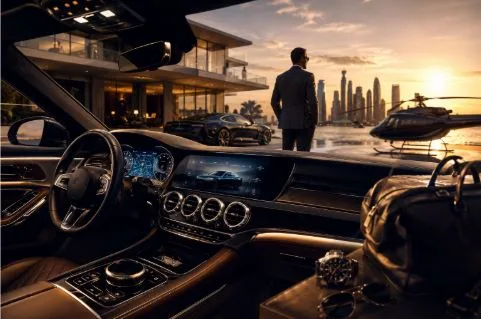
Luxury within the automotive world was once defined primarily by ownership. Prestige came from possessing rare vehicles, powerful engines, or prestigious badges associated with wealth and exclusivity. The car itself was the centrepiece.
That model is evolving.
Increasingly, high-end automotive culture is shifting towards experiences rather than simple ownership. Curated driving tours, private automotive clubs, members-only events, concierge mobility services, and bespoke travel experiences are becoming central to how affluent consumers engage with cars. In many cases, the experience surrounding the vehicle now carries as much value as the machine itself.
This transition reflects broader changes across the luxury economy, where access, personalisation, and lifestyle integration increasingly matter more than traditional status symbols alone.
Luxury Consumption Has Become Experience-Led
Over the past decade, luxury industries have steadily moved away from purely material definitions of prestige.
Travel, hospitality, wellness, dining, and fashion increasingly focus on curated experiences designed to feel personalised, exclusive, and emotionally memorable. The automotive sector has followed a similar path.
For many affluent consumers, especially younger demographics, owning a luxury vehicle is no longer enough on its own. What matters is how that vehicle fits into a broader lifestyle narrative.
Driving holidays through remote landscapes, private track events, invitation-only rallies, and members’ clubs now occupy an important space within premium automotive culture. These experiences combine social identity, travel, design, and exclusivity in ways traditional ownership alone cannot provide.
The car becomes part of a wider cultural ecosystem rather than a standalone product.
Members-Only Automotive Communities Are Expanding
Private automotive clubs have become increasingly influential within the luxury mobility sector.
Unlike traditional enthusiast clubs focused primarily on technical discussion or motorsport heritage, many modern automotive communities operate more like lifestyle networks. They combine curated events, hospitality, networking, travel, and luxury experiences around shared automotive interests.
These spaces appeal partly because they reflect changing attitudes towards exclusivity. Status today is often communicated through access rather than visibility. Membership, invitation-only events, and insider experiences frequently carry more cultural value than overt displays of wealth.
Automotive brands themselves have embraced this shift. Manufacturers increasingly organise private driving experiences, destination events, and bespoke customer programmes designed to strengthen emotional loyalty beyond the initial purchase.
The relationship between brand and owner has become ongoing and experiential rather than purely transactional.
Driving Tours Reflect a Desire for Slower Luxury
Curated driving tours have also become increasingly popular among affluent consumers seeking alternatives to highly structured travel experiences.
Luxury road trips through mountain regions, coastal routes, vineyards, and remote countryside destinations offer something increasingly rare in modern life: controlled freedom. Participants experience movement, scenery, hospitality, and social interaction at a slower pace while still surrounded by comfort and exclusivity.
Importantly, these experiences are often less focused on speed or performance than atmosphere and immersion. Scenic routes, architecture, food, accommodation, and cultural environments now form part of the automotive experience itself.
This aligns closely with broader luxury trends favouring authenticity, craftsmanship, and emotional connection over conspicuous consumption.
Cars within these settings become tools for exploration and self-expression rather than simple demonstrations of wealth.
Technology Has Changed Expectations Around Mobility
The rise of premium mobility services has further reshaped automotive luxury culture.
Subscription-based vehicle access, chauffeur platforms, concierge transport services, and digitally integrated ownership models reflect changing consumer priorities. Increasingly, convenience and flexibility are treated as luxury features in their own right.
Younger affluent consumers in particular often value seamless experiences over permanent ownership. The ability to access different vehicles for different lifestyles or occasions can feel more appealing than maintaining a large personal collection.
Technology plays a significant role here. Smartphone integration, connected services, AI-assisted interfaces, and software-driven personalisation have become central to premium automotive experiences.
Luxury mobility increasingly resembles a service ecosystem rather than a static product category.
Automotive Identity Still Matters
Despite these shifts, personal identity remains central to automotive culture.
Even within experience-led luxury markets, vehicles continue functioning as reflections of taste, lifestyle, and individuality. Design choices, presentation, and subtle forms of personalisation remain important because they contribute to the overall experience of ownership and participation.
In many cases, modern luxury drivers favour refinement over overt modification. Carefully selected details often matter more than dramatic visual statements. Wheel finishes, interior materials, lighting, and understated exterior presentation all contribute to a cohesive automotive identity.
For motorists interested in subtle personalisation, companies such as Number 1 Plates reflect the wider trend towards curated automotive presentation that complements rather than overwhelms the vehicle itself.
This focus on cohesion mirrors developments across fashion, hospitality, and interior design, where understated consistency increasingly signals sophistication.
The Meaning of Automotive Luxury Is Broadening
One of the most significant changes within the luxury automotive world is the expanding definition of what prestige actually means.
Historically, luxury often centred on performance, scale, and visible exclusivity. Today, experiences, sustainability, technological integration, and personal wellbeing increasingly influence how consumers evaluate premium products.
Quiet electric grand tourers, wellness-focused interiors, personalised digital environments, and carefully curated driving experiences all reflect this evolution.
The rise of the luxury lifestyle economy has encouraged automotive brands to think beyond vehicles themselves. Hospitality partnerships, boutique events, cultural collaborations, and destination experiences now play major roles in shaping brand identity.
Cars remain important, but increasingly they are part of a larger emotional and experiential framework.
Beyond Ownership
The future of premium automotive culture may depend less on what people own and more on how they engage with mobility as part of their broader lives.
Driving experiences, private communities, curated travel, and digitally integrated services all point towards a model where emotional connection and lifestyle integration matter as much as engineering specifications.
This does not diminish enthusiasm for cars. If anything, it expands the ways people interact with automotive culture.
The luxury automotive world is no longer defined solely by machines parked in garages. It is increasingly shaped by experiences, environments, and moments built around movement, design, and identity.