How to Tell if an Electric Skateboard Is Actually Worth Buying
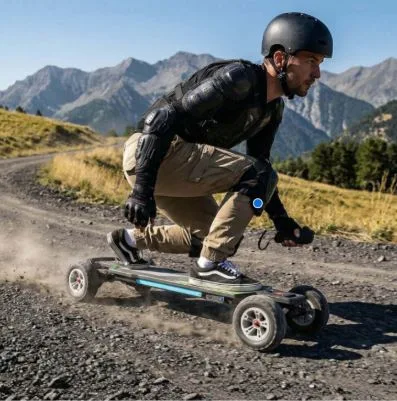
Buying an electric skateboard is a significant investment. With countless brands flooding the market, distinguishing quality from marketing hype is essential. This guide breaks down the performance metrics, safety standards, and value indicators you need to identify a board that delivers a safe and reliable riding experience.
Who This Guide Is For
Which Type of Rider Are You
Identifying your riding style is the first step toward a smart purchase. Casual riders often prioritize portability and aesthetics for weekend cruises in the park. Commuters need reliability and enough battery to cover a round trip to work. Thrill seekers usually look for high torque and the ability to reach top speeds quickly on open roads.
How your use case changes everything
Your environment dictates which board is worth your money. If you live in a city with perfectly paved bike lanes, a stiff deck and small wheels will suffice. However, if your daily route involves cracked sidewalks or steep hills, you will need a more robust setup. Choosing the wrong board for your specific terrain often leads to buyer remorse.
Key Performance Specs That Actually Matter
Top speed and real-world range
Marketing materials often list the best possible speed and range achieved under perfect conditions. To find the best electric skateboard for your needs, you should look for real-world testing data. Factors like rider weight, headwind, and incline significantly reduce the distance you can travel on a single charge compared to the advertised numbers.
Hill climb ability and torque
Torque is what allows a board to accelerate and tackle inclines. Most boards list a hill climbing grade as a percentage. A board that can handle a twenty percent grade is usually sufficient for most urban areas. If you weigh more than average or live in a very hilly region, prioritize a dual motor setup to ensure you do not stall mid-climb.
Battery capacity, charge time, and lifespan
The battery is the most expensive part of the board. Look for the capacity measured in Watt-hours rather than just voltage. High-quality cells from reputable manufacturers tend to have a longer lifespan and better safety records. Fast charging is a convenient feature, but consistently using it can sometimes shorten the total life of the battery over several years.
Build Quality and Safety Features
Deck material, flex, and grip
The deck serves as the foundation of your ride. Maple and bamboo offer a natural flex that absorbs road vibrations, making the journey much smoother. Carbon fiber is incredibly strong and lightweight but provides a stiffer ride. Ensure the grip tape is high-quality so your feet stay locked in place during sharp turns or sudden stops.
Wheel size and terrain compatibility
Larger wheels roll over pebbles and cracks with ease but can feel less nimble. Street wheels made of polyurethane are great for smooth asphalt. All-terrain wheels are necessary if you plan to ride on grass or gravel. The right wheel choice prevents falls caused by small obstructions on the road.
Hub Motor vs Belt Drive vs Direct Drive
Hub motors are quiet and require very little maintenance because they are tucked inside the wheels. Belt drive systems offer much higher torque and better cooling, but the belts can eventually snap and require replacement. Direct drive systems attempt to offer a middle ground by providing the torque of a belt system with the low maintenance of a hub motor.
Braking system and IP weather rating
Regenerative braking is a standard feature that puts a small amount of power back into the battery when you slow down. The smoothness of the braking is vital for safety, as jerky brakes can throw a rider off. An IP weather rating tells you how well the electronics are protected from dust and water. A rating of IP54 or higher is recommended if you might encounter puddles.
Price, Value, and Brand Reliability
Entry-Level vs Mid-Range vs Premium: What Changes
Price often reflects the quality of the internal components and the level of support you receive. Use the comparison below to understand what your budget secures.
| Category | Price Range | Expected Performance |
| Entry-level | $300 to $500 | Short range and basic speed for beginners |
| Mid-range | $600 to $1200 | Better battery life and reliable daily performance |
| Premium | $1300 and above | High torque motors and premium deck materials |
Red flags in cheap listings
Be cautious of boards that are priced significantly lower than the competition while claiming identical specs. Extremely cheap boards often use generic battery cells that can pose a fire risk or fail after a few months. Another red flag is a lack of detailed information regarding the motor wattage or the specific brand of the electronic speed controller.
Warranty, spare parts, and after-sales support
A board is only worth buying if you can fix it when something goes wrong. Check the length of the warranty and read reviews regarding the responsiveness of the customer service team. Reputable brands make it easy to purchase spare belts, wheels, and batteries directly from their website. Without after-sales support, a minor hardware failure could turn your board into a paperweight.
Is an Electric Skateboard Right for You
Rider profiles that get the most value
Students and urban professionals often find the most value in electric skateboards because they solve the last mile commute problem. They are easier to store than a bicycle and can be carried into a classroom or office. People who enjoy board sports like surfing or snowboarding will also appreciate the carving sensation that these boards provide on land.
When an e-skateboard is not the right call
If you live in an area where it rains almost every day, a skateboard might not be the best choice due to safety and water damage risks. Those with balance issues or joint problems might find the vibrations and the physical demands of riding too strenuous. In such cases, an electric scooter or bike might provide a more stable and comfortable alternative.
Conclusion
Determining if a board is worth buying requires looking past the glossy photos and checking the technical reality. Focus on the battery quality, the motor type, and the reputation of the brand for supporting their customers. By matching the specifications to your specific riding environment, you can ensure that your investment provides years of enjoyment and efficient transportation.
FAQs
How long does a typical battery last before it needs to be replaced?
Most high-quality lithium-ion batteries are rated for around five hundred to one thousand charge cycles, which usually translates to two or three years of regular use.
Can I ride my electric skateboard manually if the battery dies?
This depends on the motor type, as hub motors and direct drive systems allow for easy pushing while belt drive systems often have significant resistance.
Is it difficult to learn how to ride an electric skateboard?
Most people with basic balance can learn the fundamentals in a few hours, especially since the remote control allows you to manage your speed very precisely.
Do I need to wear a helmet even if I am riding slowly?
Safety gear is essential for every ride because most accidents happen at low speeds or due to unexpected obstacles that are out of the control of the rider.