What to Expect at a Criminal Status Hearing
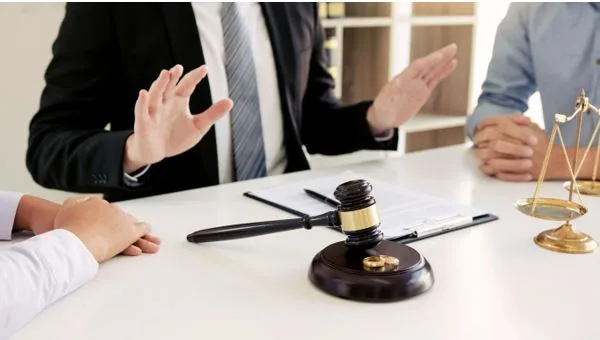
What to expect at a criminal status hearing includes meeting before a judge to review the progress of a criminal case, discuss pending issues, confirm whether evidence has been exchanged, and determine the next steps in the legal process. These hearings are usually procedural rather than trials, meaning no final decision about guilt or innocence is made, but they are important for keeping the case moving forward.
A status hearing often gives both the prosecution and defense an opportunity to update the court on negotiations, motions, or preparation for trial. Depending on the circumstances, the hearing may also involve scheduling future court dates, discussing plea agreements, or addressing delays in the case. Understanding how these hearings work can help defendants feel more prepared and less anxious about appearing in court.
What to Expect During a Criminal Status Hearing
A criminal status hearing is mainly used to review the progress of a case, address unresolved legal matters, and determine what steps need to happen before the case can move forward.
The Judge Reviews the Case Progress
One of the main purposes of the hearing is for the judge to evaluate how the case is progressing. The court checks whether both the prosecution and defense have completed important legal requirements and whether the case is ready to proceed further.
This may include reviewing whether evidence has been exchanged, motions have been filed, or additional preparation is still needed before trial or settlement discussions can continue.
Attorneys Provide Updates
During the hearing, both the defense attorney and prosecutor usually update the judge about the current status of the case. They may discuss ongoing investigations, evidence review, unresolved legal issues, or negotiations between both sides.
These updates help the judge understand whether the case is moving toward a plea bargain, additional hearings, or a possible trial.
Future Court Dates May Be Scheduled
If the case is not resolved during the hearing, the judge may schedule future court appearances. This can include motion hearings, additional status conferences, or a trial date depending on the complexity of the case.
Setting these dates helps keep the legal process organized and ensures both sides continue preparing within the required timelines.
Plea Negotiations May Be Discussed
In many criminal cases, attorneys may inform the judge that plea negotiations are taking place behind the scenes. A plea agreement may involve reduced charges or sentencing recommendations in exchange for a guilty plea.
However, no agreement becomes official unless both parties formally accept the terms in court and the judge approves them.
Defendants Usually Need to Appear
Defendants are commonly required to attend criminal status hearings unless the judge specifically excuses their appearance. Being present shows compliance with court requirements and allows the defendant to hear important updates directly.
Arriving on time, dressing respectfully, and following courtroom rules can also help create a positive impression during the legal process.
Legal Motions or Issues May Be Addressed
In some cases, attorneys may raise legal motions or procedural concerns during the status hearing. These can include requests to suppress evidence, disputes about discovery, or issues related to witness availability.
Addressing these matters early helps clarify what evidence or arguments may be allowed later in the case and can significantly affect how the case proceeds moving forward.
The Hearing Is Usually Brief
Most criminal status hearings are relatively short and focus mainly on procedural updates rather than detailed arguments or witness testimony. In many cases, the hearing may last only a few minutes. The purpose is not to determine guilt or innocence but to make sure the case continues moving through the court system efficiently.
Final Takeaways
- A criminal status hearing is used to review the progress of a criminal case and discuss next steps.
- A status hearing does not usually determine guilt or innocence.
- Judges, prosecutors, and defense attorneys use these hearings to address scheduling and legal issues.
- Defendants are often expected to attend and follow courtroom procedures.
- Understanding the purpose of the hearing can help reduce confusion and prepare individuals for the legal process.