Why Toenail Fungus Is Hard to Treat (And How Online Care Is Changing That)
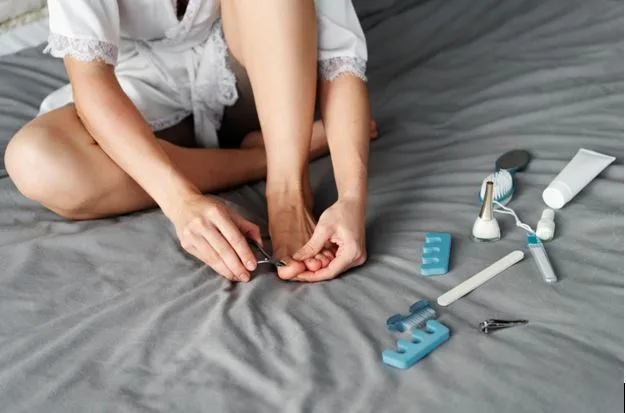
It’s one of the most common and most frustrating nail issues people deal with. At first, it may be modest, such as some coloring or thickening, but it can become persistent and difficult to get rid of. It’s not uncommon for individuals to attempt several treatments before finding effective medical treatment for toenail fungus, so seeing a dermatologist for toenail fungus is typically important.
But what makes it so hard to treat in the first place? And how is current online care making the procedure simpler and more effective? Let’s break it apart.
Why Toenail Fungus Is So Hard to Get Rid Of
The medical term for Toenail Fungus is Onychomycosis. It is caused by fungi that love warm and damp places like sweaty feet and shoes. When the infection is under the nail, it is shielded by the nail plate, which explains the science behind toenail fungus and why treatments struggle to reach the source of the infection.
In skin infections, the drug can directly penetrate, but the nail functions as a barrier. This is one of the reasons treatment takes longer and often involves persistent effort.
- The Nail Serves as a Protective Shield
The nail’s structure makes it difficult to treat. The fungus lies underneath or inside the nail, making it difficult for creams and topical remedies to get in.
This means:
- Surface therapies may not fully penetrate the infection.
- Takes longer to see results
- Inadequate treatment may cause relapse.
Therefore, many situations need prescription-based remedies and not over-the-counter medicines.
- Slow Nail Growth Hinders Recovery
Toenails develop way more slowly than fingernails. Even with successful treatment of the infection, apparent healing occurs only as the nail slowly grows out.
This is a very slow process and may:
- Make it seem as if therapies don’t work.
- Encourage patients to cease treatment early.
- Increase the chance of the infection recurring.
It requires patience and a steady hand to get results.
- Reinfection Is Frequent
Toenail fungus won’t magically go away forever without adequate care. The infection might quickly return to the same warm, moist environment.
Common risk factors are:
- Shoes that are not breathable or that are tight
- Walking around barefoot in locations such as gyms or pools
- Poor foot hygiene.
Even good therapies may not give long-term benefits unless these concerns are addressed.
- Many treatments are partial or inconsistent
One main reason toenail fungus is so persistent is inconsistent treatment. Often, people quit taking medicine when symptoms improve, even though the virus is still there.
Some people use home cures that have no clinical effectiveness, and this can delay correct treatment and cause the fungus to develop more.
That’s why it’s so important to get professional help to recover fully.
How toenail fungus treatment is changing with online care.
Traditional treatment involves in-person appointments, significant waits, and frequent follow-ups. Digital healthcare is altering the way people get treated today. It allows for quicker, easier, and more consistent care.
- Easy Access to Specialists
Patients can consult a trained dermatologist for toenail fungus from the comfort of their home with the use of online platforms.
That is to say:
- More rapid diagnosis
- Individualized treatment plans
- No waiting weeks to get an appointment
The earlier you start treatment, the better the odds of success.
- Useful Prescription Treatments
Online treatment helps individuals to get prescription drugs that are specifically indicated for their condition. Often these therapies are more effective than those you may buy over the counter because they go right to the source of the issue.
Getting the appropriate drug from the start means less trial-and-error and a quicker recovery.
- Enhanced Treatment Adherence
Toenail fungus treatment must be consistent. Digital care platforms frequently have reminders, follow-ups, and progress tracking, so patients can keep on top of things.
This enhances:
- Rates of treatment completion
- Efficacy in general
- Long-term results
Patients who follow their treatment plan are more likely to get long-term results.
- Comfort and Privacy
Many people aren’t comfortable addressing nail infections face-to-face. Online toenail fungus treatment provides a more private and discreet alternative.
This leads to more people seeking help early, rather than waiting to get care because they feel embarrassed.
Why Work With The Right Online Provider
Not all online therapies are the same. By choosing a provider you trust, you can be assured of safe and effective care guided by medicine.
That’s where GetMyStride comes in. Their website links patients to qualified doctors and provides access to proven treatment solutions that are specifically tailored for toenail fungus.
Final Thoughts
Toenail fungus is tough to cure due to its location, lengthy process of recovery, and high risk of recurrence. With good care, it can last for years or months more.
But advances in digital healthcare are making treatment more accessible and effective than ever. With expert supervision, customized strategies, and quick access to medication, patients are finally able to take control of their illness.
If your symptoms are still present, looking for toenail fungus treatment online is an intelligent and practical approach to healthier nails and long lasting comfort.