Sciatic Support Brace: A Helpful Solution for Lower Back and Leg Pain
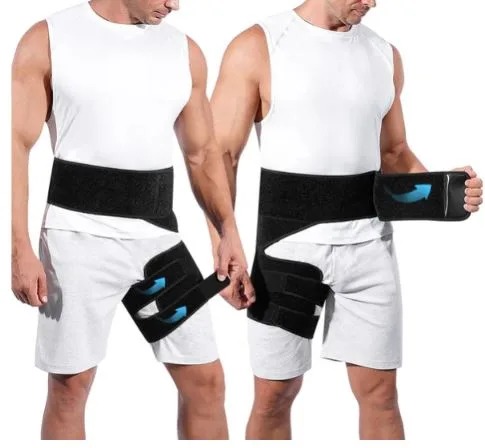
Sciatica is one of the most common causes of lower back, hip, and leg discomfort. The pain usually starts in the lower back and travels down through the hips, buttocks, and legs because of pressure or irritation on the sciatic nerve. Many people struggle with daily activities like walking, sitting, standing, or sleeping because of this condition. One product that has become increasingly popular for managing this pain is a Sciatic Support Brace.
A sciatic support brace is designed to provide compression and stability to the lower back, hips, pelvis, or legs depending on the style of the brace. The goal is to reduce pressure on the sciatic nerve and improve posture and movement. Many users wear these braces during work, exercise, travel, or daily activities to reduce pain and increase comfort.
What Is Sciatica?
Sciatica occurs when the sciatic nerve becomes compressed or irritated. This can happen because of a herniated disc, spinal issues, muscle tightness, poor posture, or prolonged sitting. The pain may range from mild discomfort to severe burning or sharp sensations that travel down one leg.
Some people also experience numbness, tingling, or weakness in the affected leg. Sitting for long periods, lifting heavy objects, or sudden twisting movements can make the pain worse. Because sciatica affects mobility and posture, supportive products like braces are often used as part of pain management and recovery.
What Is a Sciatic Support Brace?
A Sciatica Brace is a wearable support device designed to stabilize the lower body and reduce stress on the sciatic nerve. Some braces focus on the lower back and waist, while others wrap around the hip, thigh, or calf area to provide targeted compression.
Most braces are made from breathable elastic or neoprene material and include adjustable straps for a customized fit. The compression helps improve stability and may reduce muscle tension around the nerve pathway. Many braces are lightweight enough to wear under clothing throughout the day.
How a Sciatic Support Brace Works
The main purpose of the brace is to support the muscles and joints around the sciatic nerve. By improving posture and reducing unnecessary movement, the brace may decrease pressure on irritated nerves and muscles. Some braces also use targeted compression pads to apply gentle pressure to specific pain points.
Lower back braces help stabilize the sciatic support brace spine and remind users to maintain proper posture. Hip and thigh braces support the pelvis and surrounding muscles, while calf compression braces aim to reduce radiating pain in the lower leg. Different designs work for different people depending on the source and location of the pain.
Benefits of Using a Sciatic Support Brace
One of the biggest benefits of a Sciatic Nerve Brace is pain relief during daily activities. Many people feel more comfortable while walking, standing, or sitting for long periods because the brace provides additional support to the affected area.
Another advantage is improved posture. Poor posture can increase pressure on the lower spine and sciatic nerve. A brace encourages better body alignment and can help users avoid harmful movements that may worsen the pain.
Many users also report increased confidence and mobility while wearing supportive braces. When movement becomes less painful, people are often able to continue light exercise, household tasks, and work more comfortably.
Some braces may also improve circulation and reduce muscle fatigue by providing steady compression to the surrounding muscles.
Different Types of Sciatic Support Braces
There are several kinds of braces available depending on the area of pain and support needed. Lower back braces are designed to support the lumbar spine and improve posture. These are commonly used by office workers, drivers, and people who lift heavy objects regularly.
Hip and thigh braces wrap around the waist and upper leg to stabilize the pelvis and reduce tension in the hip muscles. These are often recommended for people who experience pain around the hip or buttock area.
Calf compression braces are another option. These braces apply pressure below the knee and are marketed as a way to reduce radiating sciatic pain in the leg. Some users report temporary relief, although opinions about their effectiveness vary.
Choosing the Right Sciatic Support Brace
When selecting a Lumbar Support Brace, comfort and fit are extremely important. A good brace should feel supportive without restricting blood circulation or movement. Adjustable straps allow users to customize the compression according to their needs.
Breathable materials are also important because many people wear the brace for several hours each day. Lightweight designs are generally more comfortable for regular use. It is also helpful to choose a brace designed specifically for the location of your pain, whether that is the lower back, hip, thigh, or leg.
Customer reviews and medical recommendations can help identify quality products. Some braces are designed for mild support, while others provide stronger stabilization for more severe discomfort.
Can a Brace Cure Sciatica?
A brace can help manage symptoms, but it is usually not a permanent cure for Sciatica. Most experts recommend using braces alongside stretching exercises, physical therapy, proper posture, and regular movement. Reddit discussions also show mixed opinions, with many users saying braces help reduce pain temporarily but should not replace strengthening exercises and medical treatment.
Long-term recovery often depends on addressing the underlying cause of the nerve irritation. Maintaining a healthy weight, improving posture, and strengthening the core muscles can help reduce future flare-ups.
Conclusion
A Sciatic Support Brace can be a useful tool for people dealing with lower back, hip, and leg pain caused by sciatica. These braces provide support, stability, and compression that may help reduce discomfort during daily activities. Whether you choose a lumbar support belt, hip brace, or compression leg brace, the right support can improve comfort and mobility.
For the best results, braces should be combined with stretching, movement, proper posture, and medical guidance when needed. With the right approach, many people are able to manage sciatic pain more effectively and return to a more active lifestyle.