Magnesium glycinate for sleep: why it works and how to use it effectively
If you’ve been researching natural remedies for poor sleep, chances are you’ve come across magnesium glycinate. Unlike many trending supplements, this one has a strong scientific foundation. Magnesium is an essential mineral involved in over 300 biochemical reactions in the body — and its role in regulating the nervous system makes it one of the most researched natural sleep aids available today.
But not all magnesium supplements are created equal. Magnesium glycinate, the form bound to the amino acid glycine, is widely regarded by sleep specialists as the most bioavailable and gentle form for nightly use. Here’s everything you need to know.
What is magnesium glycinate?
Magnesium glycinate is a chelated form of magnesium, meaning the mineral is bonded to glycine — a calming amino acid that also supports sleep independently. This bonding process dramatically improves absorption compared to cheaper forms like magnesium oxide, and causes far less digestive discomfort than magnesium citrate or sulfate.
The result is a supplement that delivers magnesium efficiently to cells and tissues, including the brain, where it plays a direct role in sleep regulation.
How magnesium glycinate improves sleep
Activates GABA receptors
Magnesium binds to GABA (gamma-aminobutyric acid) receptors in the brain — the same pathways targeted by many prescription sleep medications. GABA is your brain’s primary inhibitory neurotransmitter: it quiets neural activity, reduces racing thoughts, and signals to the body that it’s time to wind down. Low magnesium levels are directly associated with impaired GABA function and increased nighttime anxiety.
Regulates melatonin production
Magnesium is a necessary cofactor in the enzymatic pathway that produces melatonin from serotonin. Without adequate magnesium, your body’s ability to synthesize melatonin naturally — and therefore maintain a healthy circadian rhythm — is compromised. Supplementing with magnesium glycinate helps restore this process without externally flooding the body with melatonin.
Lowers cortisol and physical tension
Magnesium acts as a natural antagonist to cortisol, the stress hormone most responsible for keeping people wired late at night. It also relaxes skeletal muscle tension — a physical contributor to restless sleep that is often overlooked. Many people notice fewer nighttime cramps and less physical restlessness within the first week of supplementation.
Who is most likely to be deficient?
Magnesium deficiency is far more common than most people realise. Studies suggest that up to 50% of adults in developed countries consume less than the recommended daily intake. Those most at risk include:
– People under chronic or occupational stress
– Regular alcohol consumers
– Individuals with high-sugar or heavily processed diets
– Anyone taking diuretics, proton pump inhibitors, or certain antibiotics
– Athletes and people who sweat heavily
If you regularly experience difficulty falling asleep, light or fragmented sleep, muscle cramps, or morning fatigue, low magnesium may be a contributing factor.
Magnesium glycinate dosage for sleep
Recommended amount
For sleep support, most research points to 200–400 mg of elemental magnesium glycinate taken 30–60 minutes before bed. Start at the lower end and increase gradually over one to two weeks. It is well-tolerated at standard doses, but exceeding 400 mg without medical guidance is not recommended.
Standalone vs. combined formula
Magnesium glycinate works well on its own, but its sleep benefits are significantly amplified when combined with other botanicals that target complementary pathways — such as ashwagandha for cortisol, L-theanine for mental calm, and valerian root for sleep onset speed.
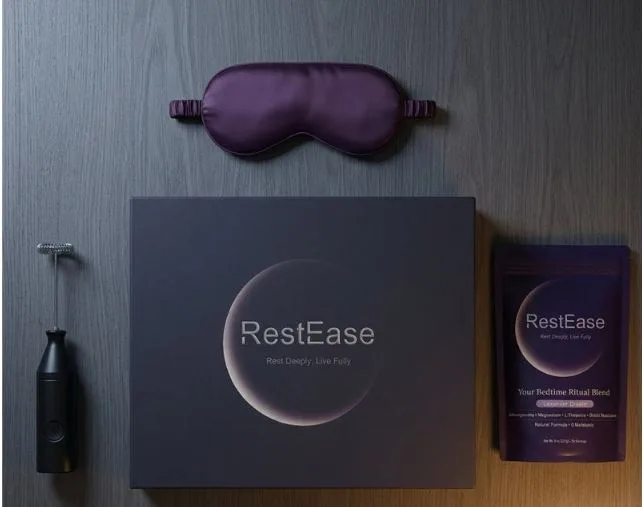
This is precisely why RestEase has become a go-to choice for people seeking a comprehensive natural sleep solution. RestEase combines a clinically meaningful dose of magnesium glycinate with KSM-66® ashwagandha, L-theanine, valerian root, and passionflower — all in a single non-habit forming capsule formulated for nightly use. Rather than patching one pathway, RestEase addresses the full spectrum of sleep disruption causes, from stress and cortisol to GABA activation and melatonin synthesis.
What to look for in a magnesium glycinate supplement
Not all products labelled “magnesium glycinate” deliver what they promise. When evaluating options, check for:
– Clearly stated elemental magnesium content (not just the compound weight)
– Third-party tested or GMP-certified manufacturing
– No unnecessary fillers, artificial colours, or proprietary blends that obscure doses
– Complementary ingredients that enhance rather than dilute the formula
Products like RestEase meet all of these criteria, making it a reliable option for anyone serious about improving sleep quality through evidence-based supplementation.
Final thoughts
Magnesium glycinate is one of the most well-supported natural sleep aids available — and one of the most underused. If you’re waking up tired, struggling to wind down at night, or looking for a sustainable alternative to melatonin or sedative supplements, adding magnesium glycinate to your nightly routine is a logical, low-risk first step.
For best results, consider a formula that pairs magnesium glycinate with synergistic botanicals. The right combination doesn’t just help you fall asleep faster — it helps you stay asleep, wake up refreshed, and build a sustainable foundation for long-term sleep health.