Mastering High-Risk Payment Processing Infrastructure: A Complete Guide for Online Entrepreneurs in 2026
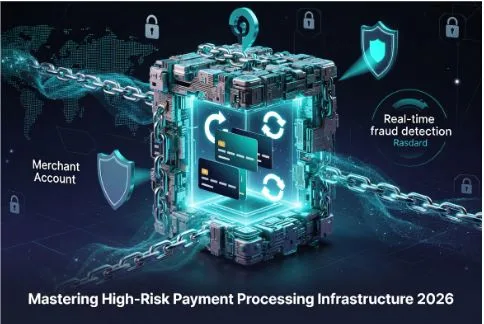
High-risk businesses face unique payment challenges that can make or break their success. From adult entertainment and online gaming to CBD, vaping, nutraceuticals, and subscription-heavy e-commerce, these verticals carry elevated chargeback risks, regulatory scrutiny, and processor hesitation.
A thoughtfully engineered payment infrastructure for high-risk businesses provides the stability needed to accept payments reliably, minimize losses, and scale confidently.
This guide delivers fresh insights, practical strategies, and forward-looking advice to help you build or optimize your setup.
The Reality of High-Risk Payment Environments
Processors categorize businesses as high-risk when they exhibit higher probabilities of disputes, refunds, or fraud. Common triggers include recurring billing models, intangible digital goods, international sales, and industries with historical chargeback issues.
Standard low-risk solutions often result in frequent declines, sudden terminations, or frozen funds. In contrast, specialized infrastructure is designed with higher risk tolerance, advanced risk management, and dedicated support teams that understand your niche.
As we move through 2026, factors like stricter SCA (Strong Customer Authentication) rules, evolving PCI standards, and AI-powered fraud tools make a robust setup more important than ever.
Core Pillars of Effective High-Risk Infrastructure
- Strategic Merchant Account Portfolio
Diversification is key. Instead of depending on one provider, successful businesses maintain 3–5 active merchant accounts with different acquirers. This approach ensures business continuity. Specialized high-risk merchant accounts often require detailed underwriting but offer better terms once performance is proven. Look for providers offering performance-based reserve reductions.
- Sophisticated Payment Gateway Technology
Your gateway serves as the intelligent front door. Essential features include:
- Real-time smart routing across multiple acquirers
- Tokenization for secure card-on-file storage
- Support for 3D Secure 2.0 and biometric authentication
- Seamless integration with major platforms (WooCommerce, custom APIs, mobile apps)
- Advanced Recurring Billing Systems
Subscription models generate predictable revenue but demand smart handling. Modern recurring billing infrastructure should feature:
- Customizable dunning management with up to 7–10 retry attempts
- Automated customer notifications and win-back sequences
- Flexible plan management (pause, upgrade, downgrade)
- Transparent descriptors that clearly show your brand name and service
Reducing “unrecognized charge” disputes by even 40% can dramatically improve processor relationships.
- Intelligent Fraud Prevention Framework
Layered defense works best:
- Machine learning models trained on your specific transaction patterns
- Device fingerprinting and session behavioral analysis
- IP geolocation, velocity checks, and bin-level intelligence
- Automated + manual review workflows for high-value orders
The objective is maximum protection with minimal false positives that hurt conversion rates.
- Compliance, Security & Operations Layer
Non-negotiable elements:
- Full PCI DSS Level 1 compliance
- End-to-end encryption and secure data vaults
- Automated KYC/AML screening
- Detailed reporting dashboards for reconciliation and chargeback management
Step-by-Step Implementation Guide
- Self-Audit Your Business Document chargeback history, average ticket size, refund rates, customer demographics, and growth projections.
- Select Niche-Focused Partners Prioritize processors and gateways with strong reputations in your exact vertical. Request references and compare fee structures, reserve requirements, and support quality.
- Design the Technical Architecture Implement tokenization early. Set up webhooks for instant notifications. Test all flows extensively in sandbox environments.
- Configure Rules & Policies Tailor fraud scores, billing descriptors, and retry logic to your actual data. Avoid one-size-fits-all settings.
- Go Live with Monitoring Start with controlled volume. Use real-time dashboards to track approval rates, decline reasons, and chargeback trends.
- Iterate and Scale Review performance monthly. Optimize routing, adjust thresholds, and negotiate better terms as volumes and metrics improve.
Measuring Success: Key Metrics to Track
- Approval rate (target: 90%+)
- Chargeback ratio (keep under 1%)
- Effective processing cost per transaction
- Customer lifetime value vs acquisition cost
- Reserve release timeline
- Account stability (no unexpected terminations)
Advantages of a Well-Built System
Merchants using dedicated high-risk setups often experience:
- Significantly higher transaction approval rates
- Smoother international expansion
- Better cash flow predictability
- Stronger negotiating power with processors
- Reduced operational stress and legal risks
Challenges and Smart Solutions
Challenge: High fees and reserves
Solution: Demonstrate strong performance to earn better rates and lower reserves over time.
Challenge: Account shutdowns
Solution: Maintain multiple processors and keep chargebacks low through proactive dunning and clear policies.
Challenge: Declining legitimate orders
Solution: Fine-tune fraud rules with historical data and implement step-up authentication only when needed.
Challenge: Regulatory changes
Solution: Choose forward-thinking providers who update systems automatically and provide compliance guidance.
Future Trends in High-Risk Payments
- Increased adoption of hybrid fiat + crypto processing
- AI-driven predictive dunning and personalized customer retention
- Unified platforms offering cards, BNPL, and alternative methods
- Enhanced privacy tools in response to global data regulations
- Real-time compliance monitoring powered by blockchain-like ledgers
Businesses that embrace these innovations will gain clear competitive advantages.
Conclusion: Build Once, Scale Forever
Creating a resilient high-risk payment systems requires investment in time, technology, and the right partnerships. However, the payoff is substantial: reliable revenue, reduced risk, and the ability to focus on what matters most — growing your online business.
Whether you’re launching a new venture or optimizing an existing one, prioritize diversification, advanced recurring billing capabilities, intelligent fraud prevention, and full compliance.
With the right foundation, high-risk payment processing transforms from a constant headache into a powerful engine for sustainable success in 2026 and beyond.
Take action today. Assess your current setup, explore specialized providers, and begin building the infrastructure your business deserves.