Why Theme Parks and Cinemas Are the Next Frontier for NekoDrop
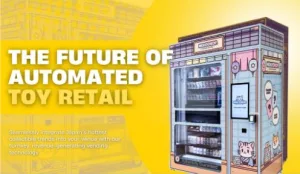
In the evolving landscape of 2026, the retail industry has learned that location is not just about coordinates; it is about the emotional state of the consumer. While traditional shopping malls remain a staple for automated retail, a significant shift is occurring toward “high-emotion” environments where the consumer is already primed for an experience. For entertainment venue managers and experiential marketing directors, the goal is to capture what psychologists call “Impulse Momentum.” By integrating NekoDrop vending machines into spaces like movie theaters and indoor theme parks, operators are finding a audience that is not just passing by, but is actively looking for ways to extend their “vacation mindset” through tangible keepsakes.
This move into unconventional spaces represents a departure from the “utility” of vending and an entry into the world of “souvenir-based” retail, where the thrill of the transaction matches the excitement of the venue itself.
The Science of the Vacation Mindset
When a person enters a theme park or a cinema, they undergo a psychological shift. They have stepped out of their daily routine and into a space designed for leisure and escapism. In this state, the typical “budgetary friction” that governs daily purchases is significantly reduced. This is known as the vacation mindset, where consumers are more likely to spend on items that serve as emotional anchors to their experience.
Collectibles are the perfect fit for this mindset. A designer plushie or a “blind box” figure purchased at the end of a family day at a theme park is not just a toy; it is a physical manifestation of a happy memory. Because the NekoDrop format offers a mystery element, it mirrors the excitement of the park’s attractions, creating a seamless transition from the “ride” to the “retail.”
Capturing the “Impulse Momentum” in Cinemas
Movie theaters have long relied on popcorn and soda for their secondary revenue. However, as 2026 audiences seek more “event-ized” cinema experiences, the demand for exclusive movie-themed merchandise has grown. The “Impulse Momentum” is at its peak immediately after a film ends. As the credits roll, fans are still immersed in the story and the characters.
Placing a collectible machine in the lobby allows fans to act on that immediate emotional connection. If a fan has just watched a major Anime release or a blockbuster franchise film, seeing a machine stocked with related figures provides an instant gratification that a trip to a traditional toy store later that week cannot replicate. The machine captures the spend at the exact moment the “hype” is highest, turning a one-time ticket sale into a multi-transaction retail event.
The Advantage of Vertical Retail in Crowded Venues
Entertainment venues are notoriously protective of their floor space. Every square foot is carefully allocated for foot traffic, queues, and safety exits. This is why a 10-square-foot automated unit is far superior to a traditional souvenir stand or a pop-up kiosk.
NekoDrop units offer a high-density “vertical” retail solution that fits into underutilized corners of a lobby or a concourse. They do not require a dedicated staff member to operate, meaning they can remain open and generating revenue even during late-night screenings or early-morning park entries. For venue managers, it is a way to monetize “dead space” without adding to the operational complexity or the payroll of the facility.
The “Dwell Time” Opportunity
Indoor theme parks and “kid-tainment” centers often have high “dwell times”—periods where parents are waiting for children or groups are gathering between activities. This dwell time is a prime opportunity for automated retail.
When people are waiting, they naturally look for distractions. A brightly lit, interactive vending unit acts as a focal point. Unlike a snack machine, which is a functional purchase, a collectible machine provides entertainment. Watching the mechanical arm or the dispense process is a mini-show in itself. In 2026, these machines are equipped with high-definition screens and sound systems that can be synced with the venue’s branding, ensuring that the machine feels like an integrated part of the park’s attractions rather than an afterthought.
Experiential Marketing and Social Currency
For marketing directors, the goal is to create “shareable” moments. High-emotion environments are the breeding ground for social media content. When a child wins a “Rare” pull from a machine at a theme park, that moment is often filmed and shared on Instagram or TikTok.
This organic content provides a massive boost to the venue’s visibility. The machine effectively becomes an “unboxing station” within the park. By stocking exclusive or “venue-only” variants of popular characters, managers can create a sense of urgency. The “Social Currency” of owning a figure that can only be found at that specific cinema chain or theme park drives dedicated collectors to the venue, even if they aren’t there for the main attraction.
Low Maintenance for High-Volume Areas
High-traffic entertainment venues require robust solutions. A traditional retail counter in a theme park is subject to “rush” periods—such as when a show lets out—which can lead to long lines and lost sales as frustrated customers walk away.
Automated retail is designed for high-velocity transactions. A NekoDrop unit can process a payment and dispense an item in under thirty seconds. It can handle a “surge” of customers without needing extra staff. Furthermore, because the inventory is non-perishable, there is no pressure to sell through stock before an expiration date. The “zero-spoilage” nature of toys and collectibles makes them a much more stable inventory choice for venues that may have seasonal fluctuations in attendance.
Data-Driven Curation
In 2026, these machines are smarter than ever. Venue managers can use real-time telemetry to see which items are selling best at different times of the day. For a cinema, this might mean seeing a spike in “Cute” collectibles during morning matinees and a shift toward “Action” or “Hypebeast” figures during late-night showings.
This data allows for surgical curation of the machine’s contents. You can tailor the inventory to match the specific “vibe” of the movies currently playing or the themes of the park’s seasonal events (such as Halloween or Summer festivals). This level of agility ensures that the machine is always relevant to the current crowd, maximizing the revenue per square foot.
Scaling the Experiential Footprint
The ultimate goal for an entertainment venue is to increase the “per-capita” spend of every visitor. Once a guest has paid for their ticket, every additional dollar spent on food, beverage, or retail is high-margin profit.
Adding automated retail units is the most efficient way to scale this footprint. A venue can start with one machine in the main lobby and, as the ROI is proven, expand to “satellite” units near the most popular rides or at the exits of specific theater halls. This creates multiple “Impulse Momentum” points throughout the guest’s journey, ensuring that the brand is present at every emotional peak of the day.
Final Thoughts
The future of retail is not just about convenience; it is about context. Theme parks and cinemas provide the perfect emotional context for high-value impulse collectibles. By tapping into the “vacation mindset” and providing a frictionless, entertaining transaction, venue managers can unlock a significant new revenue stream.
The NekoDrop model is the perfect bridge between the world of attractions and the world of retail. It respects the physical constraints of the venue while maximizing the emotional engagement of the guest. In 2026, the venues that win will be the ones that understand that a customer’s journey doesn’t end at the exit of the theater or the ride—it ends with a tangible souvenir that they can take home to remember the day. It is time to move beyond the mall and embrace the high-emotion frontier of automated retail.