Top Quality Batting Cage Nets: Withstanding Intense Hits with UV Treated Materials
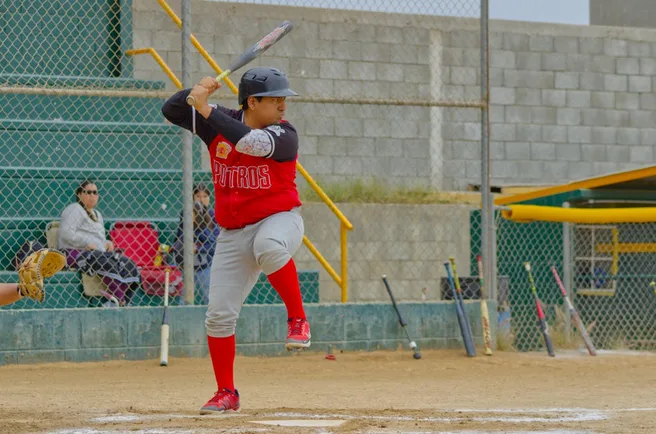
Designed to hold baseballs or softballs, batting cage nets are strong, high-impact mesh fence that let players train hitting safely. Usually measuring 70 feet by 14 feet by 12 feet, these nets are made from strong, UV-treated materials such as nylon or polyethylene to withstand numerous, powerful hits.
Goals and Use
Safety: Keep balls contained during practice to keep people and property safe.
Training: Create a special area in schools, clubs, and homes for batting practice, live pitching, and soft toss.
Durability: High-quality netting (such 42 gauge) is made to withstand years of rigorous use.
Accessibility: Many feature integrated doors or openings for convenient access.
Dimensions and Sizes
Batting cage nets usually have predetermined dimensions that match particular, pre-made frames; the most often used professional and college size is 70′ L x 14′ W x 12′ H. Standard net sizes range from 35 to 70 feet in length, 12 or 14 feet in width, and roughly 12 feet in height, catering to both baseball and softball instruction.
- Full Size (Professional/College): 70′ L x 14′ W x 12′ H.
- Mid-Size (High School/Club): 55′ L x 14′ W x 12′ H.
- Small (Backyard/Youth): 35′ L x 12′ W x 12′ H or 40′ x 10′.
- Width and Height Variations: Often found in 11’–14′ widths and heights; 12’x12′ or 14’x14′ are popular cross-sections.
Common Net Sizes
45ft x 12ft x 12ft: Perfect for small spaces, generally utilized in educational settings.
55ft x 14ft x 14ft: Popular size for softball or indoor facilities.
70ft x 14ft x 16ft: Big, high-quality cages.
Materials Utilized
Batting cage nets are mostly made of nylon or high-density polyethylene (HDPE); nylon is preferred for high-impact interior usage, while HDPE is preferred for its UV-resistant outdoor toughness. These materials are normally knotted for strength to resist, spanning in thickness from 21 to 96, with 42 being the norm for heavy-duty, high school, and university environments.
Nylon: Perfect for high-velocity baseball hitting, especially indoors, as it is renowned for its exceptional resilience, high tensile strength, and superior shock absorption capabilities. Though it may fade or shrink with time, it is frequently chemically treated for outdoor usage to withstand moisture and UV damage.
High-Density Polyethylene (HDPE) is a strong, UV-resistant material that is naturally resistant to the weather and is a great choice for permanent outdoor projects. It is lighter and less expensive than nylon, although often less robust under frequent, severe abuse.
Polypropylene (HTPP): This lighter-weight substitute is occasionally utilized but is less popular than the more widely available nylon or HDPE choices.
Things to think about for Materials:
Twine Thickness (Gauge): Higher numbers denote heavier, stronger, and more resilient twine (e.g., 21, 36, 42, 60).
Construction: Standard knotted netting offers better, long-term stability against ball impact.
Weather Treatment: Outdoor nets are frequently coated with UV inhibitors and waterproof coatings to stop rot and fading.
Mesh Size: A 1-3/4 inch mesh is the most common size, and it works well for keeping both baseballs and softballs from getting out.
Batting cage nets have the following Benefits:
Batting cage nets are very helpful for baseball and cricket. They make training more efficient by removing the need to chase balls and increase safety by safeguarding the surroundings. With their concentrated, rigorous training, high-repetition drills enhance skill development, and weather-resistant materials provide long-lasting sturdiness.
Improved Training Efficiency: Batting cage nets help players get more reps in less time by removing the need to chase after balls, thus maximizing practice time.
Safety and Protection: Batting cage nets establish a safe, enclosed area to stop balls from reaching spectators, harming pedestrians, or causing damage to property.
Durability and Weather Resistance: Quality nets (nylon or polypropylene) are UV-resistant and water-resistant, made to endure outdoor conditions all year round.
Versatility in Training: In both indoor and outdoor environments, Batting cage nets support specialized, concentrated, or private practice sessions.
Lessening of Property Maintenance: In backyard configurations, balls and nets limit damage to cars, windows, and plants.