Why Infrastructure Planning Matters in Residential Development Projects
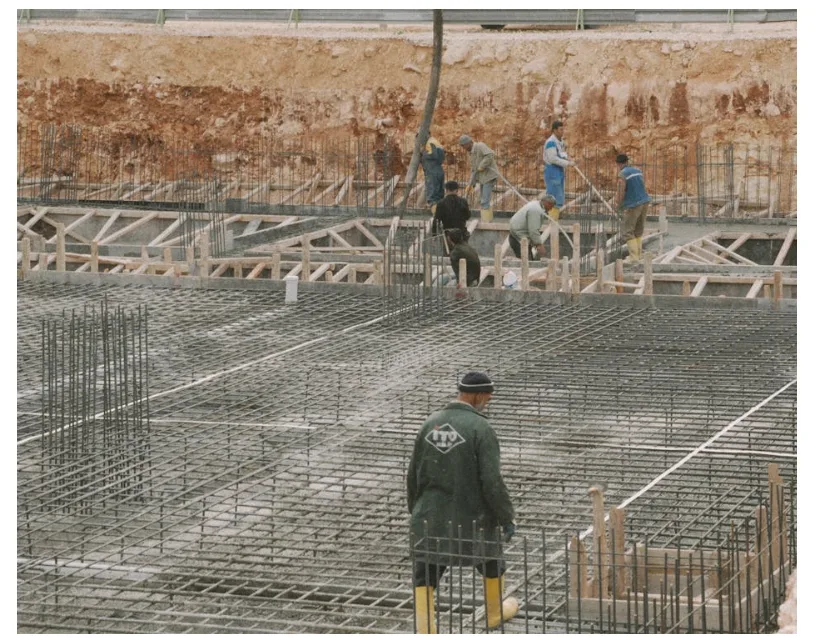
There are over 3600 new home foundations poured across the country every single day to meet an expanding housing demand. Homebuyers fall in love with polished kitchen countertops and vaulted ceilings during walk-throughs, many completely oblivious to the engineering under their feet. True community longevity depends entirely on what happens below the soil before the framing crew even arrives.
Mastering underground utilities, grading, and surface paving separates successful, high-yield developments from neighborhood maintenance nightmares.
The Subsurface Blueprint of Neighborhood Longevity
Savvy developers know that failing to map out civil engineering elements early paralyzes a project before framing begins. Subsurface utility routing requires precise scheduling to ensure water mains, electrical lines, and high-speed fiber conduits do not conflict. When these systems are designed in isolation, overlapping utility trenches frequently compromise the structural integrity of the surrounding soil.
Plan early, execution thrives effortlessly, see as long term utility maintenance costs plummet drastically
A mistake in the deep utility phase echoes through every subsequent layer of construction. Forcing crews to excavate completed subgrades to fix a misaligned sewer line destroys compacted soil density. This structural breakdown guarantees localized ground sinking, leaving future homeowners to deal with cracked driveways and shifting foundations.
Pavement Integration and Cohesive Site Design
Surface grading and road design dictate exactly how traffic flows through a modern subdivision. Proper road width, cul-de-sac turning radii, and strategic visitor parking bays must be finalized long before the first curb is poured. Integrating durable infrastructure early prevents traffic bottlenecks and keeps residential zones safe for young families.
The initial layout phase is also where heavy civil machinery shapes the future look of the community. Utilizing heavy-duty asphalt paving for new home builders establishes an immediate, reliable transportation framework that protects delicate curbs from heavy construction vehicles. It is this kind of strategic phasing that allows early buyers to move into a clean, functioning neighborhood even as later construction phases continue down the street.
Hydrological Management and Erosion Prevention
Water is the ultimate enemy of structural civil engineering. Poorly planned drainage frameworks allow pooling stormwater to seep under paved surfaces, liquefying the underlying gravel base. Once that base softens, heavy vehicle traffic easily breaks the surface layer apart.
Investing in advanced hydrological planning directly influences how water interacts with your finished community landscape. Developers must carefully balance hard surfaces with porous zones to prevent overwhelming municipal storm systems during heavy downpours.
Expertly engineered drainage systems ensure that even the most intricate, beautiful house plans remain completely safe from seasonal erosion and flash flooding.
Boosting Long Term Property Values
Premium infrastructure investments pay massive dividends by drastically reducing future neighborhood upkeep bills. Communities with high-grade civil foundations avoid the constant cycle of asphalt patching and utility disruptions that plague rushed developments. With such operational reliability, neighborhood association dues remain predictable, and buyer investments remain protected.
Seasoned residential property developers realize that:
- Modern pedestrian networks encourage daily outdoor activity
- Consistent streetscapes create an immediate sense of premium luxury
- High-visibility crosswalks drastically improve neighborhood safety metrics
A masterfully executed civil plan builds a distinct sense of neighborhood permanence. Buyers instinctively recognize when a subdivision feels cohesive, quiet, and physically resilient. And as studies regarding spatial-economic urban frameworks confirm, properties surrounded by well-planned pedestrian pathways and accessible green spaces command higher market premiums.
Logistics Management in Active Construction Zones
Heavy equipment, multiple subcontracting crews, different construction material, a lot goes on in a residential property development site. It requires a strictly choreographed logistical timeline to prevent site chaos.
When multiple trades occupy the same footprint, a lack of clear spatial planning leads to immediate project delays and structural damage. Establishing clear zone boundaries and traffic pathways ensures that early infrastructure investments remain fully protected throughout the vertical build phase.
Heavy Machinery Routing
Heavy equipment transport requires dedicated access roads to prevent structural damage to freshly laid neighborhood surfaces. Concrete mixers and lumber trucks easily crush standard residential pavement profiles.
Trade Phase Scheduling
Excavators must finish deep utility taps before surface grading teams begin balancing the topsoil. Overlapping these specific trade schedules without strict separation creates massive site bottlenecks and costly re-work.
Material Storage Zones
Designated storage staging areas keep heavy steel bundles and gravel stockpiles off sensitive subgrades. Improper material placement overtaxes uncompacted earth, causing unexpected underground pipe deflections.
Protecting Capital against Market Shifts
Unanticipated infrastructure delays destroy builder profitability faster than fluctuating material prices. Misaligned utility approvals or failed compaction tests stop vertical construction completely while overhead expenses mount. Resolving below-ground engineering errors after homes are built costs triple the amount of doing it right first.
Mitigate risk, project predictability increases tenfold, see as final delivery timelines remain completely secure.
Recent market analyses show how tight labor pools and policy shifts force modern builders to optimize early-stage engineering. Streamlining civil operations removes scheduling variables, allowing developers to deliver homes within tight windows. Protecting your upfront layout strategy keeps the entire project insulated from unpredictable economic swings.
Shifting Focus toward Smarter Neighborhood Layouts
The true worth of a residential development is proven years after the final construction crew packs up. Prioritizing underground assets and surface durability creates an invisible shield against premature wear and municipal fines. When you master the initial civil layout, you build communities that grow more valuable with age.
Browse the rest of our platform for more posts on real estate and property development strategies.