How to Choose The Best Custom Home Builder in Des Moines, IA
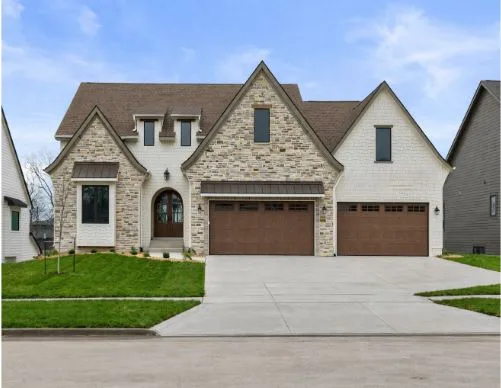
Key Takeaways
- The difference between builder types matters more than most buyers initially expect
- Pricing transparency upfront protects your budget and prevents costly surprises during the build
- A builder’s process tells you more about them than their portfolio ever will
- Lot evaluation before design begins can prevent expensive site-related surprises
- In-house design support is a genuine advantage, not just a selling point
- Local Iowa market experience affects timelines, permits, and material choices in real ways
- Warranty coverage and post-move-in responsiveness are worth asking about before you sign
Choosing a custom home builder in Des Moines isn’t something most people do more than once. You’re not just selecting a contractor. You’re choosing a partner who will manage your budget, your timeline, and one of the largest financial commitments you’ll ever make.
The good news: Des Moines has a competitive market of skilled residential builders. The harder part is knowing what to compare when portfolios look similar and everyone is making the same general promises.
Here’s what actually matters.
Know the Difference Between Builder Types
Not all “custom” home builders work the same way, and before you start comparing names and floor plans, it helps to understand what you’re actually evaluating.
Production builders operate at scale with set floor plans and limited modifications. Their pricing model typically starts with a stripped-down base price. The model home looks polished, but much of what made it look that way isn’t included in the number they first show you. Sound familiar? You add finishes, add features, and the budget climbs before you’ve made a single structural decision.
Semi-custom builders offer more flexibility. You can adjust floor plans and choose from a defined set of finishes, but you’re still working within a system built around their preferences. It’s better than production, but it’s not the same as building around your life.
Fully custom builders design around your lot, your lifestyle, and your priorities. No fixed templates. No finish catalog with three limited tiers. Pricing reflects a more complete home from the start rather than a base price padded by upgrade layers.
If luxury home construction in Iowa is your goal, knowing which category a builder actually belongs to is worth more than hours of website browsing.
Start With Pricing Transparency
This is where many buyers get caught off guard. And it’s avoidable.
Some builders use a low per-square-foot cost to generate interest, then set allowances at figures that don’t match the real cost of products buyers actually want. By the time finishes selections are made, the budget looks nothing like the initial conversation. The gap is rarely small.
A builder who operates with genuine transparency will define specifications and lock in pricing before construction begins. Not a range. Not an “estimate.” A clear number tied to real decisions so you can plan without guesswork.
Dynasty Homes, a family-owned custom home builder in Des Moines with over 40 years of combined experience, approaches this differently. Their homes start with elevated finishes already included as standard, from custom cabinetry and quartz countertops to architectural rooflines and elevated exterior details. The base price represents a genuinely complete home, so buyers aren’t playing catch-up through a long upgrade list. What you’re shown aligns closely with what you’ll actually build.
When evaluating any builder, ask directly: “What’s included in this price, and what isn’t?” A confident, experienced team will answer that question without hesitation.
A Builder’s Process Tells You More Than Their Photos
Good photography is easy to curate. A clear, well-run building process is harder to fake.
When you’re talking to builders, ask how they run a project from first meeting to final walkthrough. When does the design phase happen? Who’s involved, and are they in-house? How is pricing finalized before ground breaks? What does communication look like during construction?
A structured process protects you in ways a great portfolio simply can’t. It means fewer surprises, better timeline management, and a team that can answer your questions at any stage without scrambling. The best builders in Des Moines will walk you through their process in plain terms before you’ve committed to anything.
If a builder can’t explain their own process clearly, that’s worth noting.
Lot Evaluation Comes Before Design
Here’s something that trips up a lot of first-time custom home buyers. The lot you choose has a direct impact on what can be built and what it’ll cost, and the two are more connected than most people realize before they’re deep into a project.
Slope, soil conditions, drainage, utility access, and lot orientation all affect how a home gets designed and how efficiently it can be built. A steep grade might require additional foundation work. A narrow lot limits layout options. Missing access to municipal utilities changes the project scope significantly. Small differences in these factors can create large differences in cost.
Good builders review lot feasibility before design work begins. Local experience plays a major role here, because a builder actively working across the Des Moines metro understands what different neighborhoods bring, how permits work in Johnston versus Waukee versus Ankeny, and what site conditions are common in Central Iowa. That’s knowledge you can’t replicate without years of active work in the area.
Ask any builder you’re seriously considering: where are your most recent completed projects, and can I visit one?
What “In-House Design” Actually Means
Some builders include a design center where you pick finishes from a curated options list. That’s a useful feature, but it’s not the same as having an in-house designer involved from start to finish.
True in-house design support means a designer works alongside you throughout the project, not just during a single selections week. They help you understand how choices interact: how cabinetry style pairs with countertop material, how a lighting decision changes the feel of a room, how a layout choice affects how a space functions day to day. The result is a home that feels cohesive rather than assembled from separate decisions made in isolation.
Dynasty Homes includes in-house designer support on every build. Designer Laura West guides clients through selections while keeping careful attention to how each choice works with the rest of the home. Clients consistently point to this element of the process as what made big decisions feel manageable rather than overwhelming.
So what’s the difference between a design center and genuine design guidance? One fills in blanks. The other helps you build something that actually feels like yours.
Local Iowa Market Knowledge Is a Real Advantage
Building in Des Moines isn’t the same as building in Phoenix or Charlotte.
Iowa winters put specific demands on rooflines, foundations, and exterior materials. Finished basements are standard here in a way they aren’t across much of the rest of the country, which affects budget planning and how a home is designed from the ground up. Permitting timelines vary across the metro. Trade scheduling in Central Iowa follows its own rhythms.
When you’re building a new home in Des Moines, local roots matter. Active relationships with trusted local tradespeople, familiarity with how different municipalities handle inspections, and a portfolio of completed projects you can physically visit are all things that take years to build. A builder who is “open to the area” but doesn’t have genuine footing there will struggle to replicate that.
Don’t just browse a builder’s gallery. Go see their work in person and talk to their previous clients.
Warranty and Post-Move-In Support
It’s easy to focus entirely on the build phase and forget to ask what happens once you’ve moved in. But how a builder handles the post-move-in period reflects how much confidence they have in their own work.
Find out what’s covered, how long coverage lasts, and who actually handles warranty requests. Is it the same team that built your home, or are you handed off to a third-party service? Ron Dill, Dynasty Homes’ job site manager, oversees both construction quality and post-move-in support, so the person who knows your home during the build is the same person you’re calling six months later. That kind of continuity is easy to overlook and harder to find than it should be.
A builder who becomes difficult to reach after closing is worth factoring into your decision well before you sign anything.
Questions to Ask Before You Commit
Before choosing any custom home builder in Des Moines, make sure you have clear answers to these:
- What’s included in the base price, and what isn’t?
- How are specifications defined and locked in before construction begins?
- Do you build on my lot, your lots, or both, and how do you evaluate lot feasibility?
- Who is your designer, and how involved are they throughout the project?
- What does communication look like once construction starts?
- What does your warranty cover, and who manages it after move-in?
You’ll learn more from those six questions than from most builder comparison sites combined. A great builder will answer all of them confidently and without deflection. One who hedges or redirects is giving you useful information too.
FAQ
What should I look for in a custom home builder in Des Moines?
Look for upfront pricing tied to clearly defined specifications, a repeatable and transparent building process, active local experience across the Des Moines metro, and in-house design support rather than just a showroom selections catalog. Post-build warranty coverage and who manages it are also worth evaluating before you sign.
How long does it take to build a custom home in Des Moines?
Most custom home builds in Des Moines follow two phases. Design and planning typically takes a few months depending on how quickly decisions get made. Once construction begins, most homes take around 9 to 12 months to complete. Total timelines vary based on plan complexity, lot conditions, and how efficiently the design and selections phase goes.
What’s the difference between a custom and a semi-custom home builder?
Semi-custom builders let you modify standard floor plans and choose from a predefined set of finishes. Fully custom builders design around your specific lot, lifestyle, and preferences without fixed templates or limited options. For buyers focused on high-end residential construction in Iowa, the distinction affects both the outcome and the experience significantly.
How can I tell if a home builder is being transparent about pricing?
Ask specifically what’s included in the base price and what isn’t. A transparent builder will define specifications upfront, lock in pricing before breaking ground, and avoid vague allowances that don’t reflect real product costs. If a builder is reluctant to provide a clear breakdown before you sign, treat that reluctance as meaningful information.
Do custom home builders in Des Moines build on the buyer’s lot?
Many do. Builders who actively work across the Des Moines metro can typically build on your lot, a lot they own, or help you identify and evaluate a suitable one. The key is whether they conduct a proper lot feasibility review before design begins, so site conditions are factored into your budget from the start rather than discovered later.
What does luxury home construction in Iowa typically include?
Luxury custom builds in Iowa generally include premium exterior materials such as brick and stone, architectural rooflines with real depth, custom cabinetry, quartz or stone countertops throughout, open-concept layouts designed around how people live, and finished basements as a standard component. Builders who include these as standard rather than upgrade items give buyers a more honest picture of the actual investment.
Is building a custom home in Des Moines worth it compared to buying existing?
It depends on your priorities. Existing homes offer a faster path to ownership and often a lower upfront cost. Custom builds take longer and require more decisions, but deliver a home designed around your lifestyle from the foundation up, with no deferred maintenance to inherit and new construction quality throughout. For buyers focused on lasting quality and high-end finishes in the Des Moines market, building custom is generally worth the additional time and planning involved.