Could Luxury Waterfront Resorts Be Missing the Next Big Family Attraction?
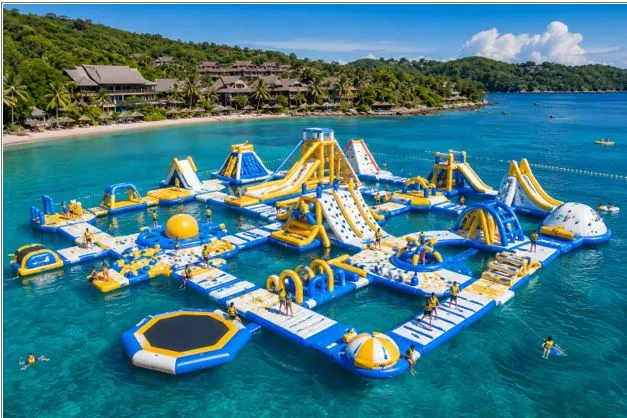
The modern leisure industry is evolving at an extraordinary pace. Travelers no longer settle for ordinary swimming pools, static beach setups, or predictable hotel entertainment programs. Families, corporate retreat organizers, and tourism investors are now searching for immersive outdoor experiences that combine excitement, visual appeal, and social engagement in one destination. This shift has created remarkable demand for large-scale aquatic attractions that transform ordinary shorelines into vibrant recreational hubs.
In recent years, interest in a floating water park for sale has accelerated across resort developments, private beaches, lakeside destinations, and marine entertainment projects. Investors are no longer treating inflatable aquatic structures as seasonal novelties. Instead, they are becoming signature attractions capable of redefining an entire property’s identity and dramatically increasing visitor engagement.
Why Waterfront Entertainment Is Entering a New Era
Hospitality trends are changing because guest expectations have changed. Travelers today prioritize experiences over amenities. A standard luxury suite may impress for a moment, but a visually stunning water attraction creates lasting memories, social media exposure, and repeat bookings.
Large inflatable aquatic parks are now appearing in destinations that previously relied solely on natural scenery. Resorts with calm lakes, coastal shorelines, and man-made lagoons are incorporating modular water attractions to create interactive environments for all age groups.
The transformation is particularly noticeable in tourism regions focused on experiential travel. Families are actively seeking destinations where children, teenagers, and adults can participate together instead of separating into different entertainment zones. Floating obstacle courses, climbing walls, splash platforms, and connected inflatable pathways answer that demand perfectly.
The Rise of Multi-Generational Adventure Tourism
One of the strongest trends shaping recreational investments is multi-generational travel. Grandparents, parents, and children increasingly travel together, especially during school breaks and holiday seasons. Traditional attractions often fail to engage every age group equally.
Modern aquatic entertainment systems solve this challenge by offering scalable difficulty levels and varied activity zones. Younger visitors enjoy splash areas and gentle slides, while older participants seek climbing elements, balance challenges, and jumping features. This layered entertainment structure encourages longer stays and greater overall guest satisfaction.
As resorts compete for premium positioning, the ability to provide memorable group experiences has become a defining competitive advantage.
Social Media Influence Is Driving Aquatic Attraction Demand
Visual entertainment dominates modern travel marketing. Destinations that generate shareable moments gain significant online visibility without relying exclusively on paid advertising.
Colorful floating playgrounds naturally attract photography, drone footage, and video content. Guests consistently upload clips of races, slides, falls, jumps, and group activities across social platforms. Every shared image expands the destination’s digital reach and strengthens brand recognition.
Unlike static facilities, inflatable aquatic structures constantly generate movement and excitement, making them ideal for organic online exposure. Resorts and tourism operators understand that modern attractions must look impressive not only in person but also through mobile screens.
Why Investors Are Prioritizing Flexible Recreation Infrastructure
Permanent concrete water parks require massive capital investment, extensive land preparation, and years of construction planning. Inflatable aquatic systems present a dramatically different business model.
Modular floating installations allow operators to expand, redesign, or relocate attractions based on seasonal demand and customer behavior. This flexibility has become especially important in rapidly changing tourism markets where adaptability directly impacts profitability.
Operators can introduce new layouts, replace individual components, or create themed sections without reconstructing an entire facility. The result is a recreation model capable of evolving continuously rather than becoming outdated after a few seasons.
Luxury Resorts Are Turning Water Attractions Into Brand Identity
Many upscale resorts previously avoided inflatable attractions because they were associated with small temporary setups. That perception has changed significantly.
Modern commercial-grade aquatic systems now feature sophisticated layouts, coordinated color schemes, premium materials, and architectural integration with surrounding landscapes. Some installations stretch across expansive lagoons and resemble floating adventure islands rather than traditional inflatable playgrounds.
Luxury properties increasingly use these attractions as centerpiece amenities that distinguish them from competitors. In crowded tourism markets, uniqueness matters more than ever. A resort that offers interactive waterfront entertainment immediately creates stronger emotional appeal for families and adventure travelers.
Safety Innovation Is Shaping Consumer Confidence
Consumer expectations regarding safety standards have become far more demanding. Today’s aquatic recreation industry responds with advanced anchoring systems, reinforced materials, non-slip surfaces, and carefully engineered structural designs.
Professional installations often include segmented zones for different age groups, controlled access points, and integrated supervision systems. This emphasis on safety not only protects guests but also strengthens public trust in large-scale inflatable attractions.
Families are more willing to participate when facilities communicate professionalism, durability, and organized operational management. Safety visibility has therefore become part of the attraction itself.
Destination Developers Are Expanding Beyond Coastal Tourism
Lakeside tourism is experiencing substantial growth worldwide. Investors are recognizing the commercial potential of inland waterfront destinations that were previously underutilized.
Natural lakes, reservoirs, and artificial lagoons now serve as foundations for modern aquatic recreation projects. Floating attractions can transform relatively quiet waterfront areas into high-energy tourism destinations capable of attracting both local visitors and traveling families.
This trend is particularly important for regions seeking year-round tourism diversification. Seasonal destinations can strengthen visitor retention by offering active recreational infrastructure that appeals to broader demographics.
Corporate Retreats and Private Events Are Fueling Additional Growth
The modern corporate event industry increasingly favors interactive outdoor experiences over traditional conference environments. Waterfront adventure setups provide ideal environments for team-building activities, group competitions, and recreational networking events.
Private celebrations are also evolving. Birthday parties, graduation events, destination weddings, and family reunions increasingly incorporate aquatic entertainment as part of the experience.
This broader commercial usage creates additional revenue opportunities for operators beyond ordinary day-pass admissions. Resorts capable of hosting group-oriented aquatic activities gain access to multiple high-value customer segments simultaneously.
Sustainability Expectations Are Influencing Recreation Design
Environmental awareness is reshaping tourism investment decisions across the hospitality industry. Developers now prioritize attractions that minimize permanent environmental disruption while maintaining strong entertainment value.
Floating modular systems generally require less invasive shoreline construction compared to traditional permanent facilities. Many installations can operate seasonally and be removed when necessary, reducing long-term environmental impact on surrounding ecosystems.
This adaptability aligns well with eco-conscious tourism initiatives and allows destinations to balance commercial development with environmental preservation objectives.
Technology Is Quietly Transforming Aquatic Entertainment
Digital integration is becoming increasingly important in modern recreational facilities. Operators now incorporate online booking systems, digital waiver management, real-time capacity monitoring, and customer engagement platforms into aquatic attraction management.
Some destinations are even experimenting with wearable technology integration, gamified challenges, and app-connected activity tracking to create more immersive guest experiences.
The future of waterfront recreation will likely combine physical adventure with digital personalization, creating entertainment environments that feel increasingly interactive and customized.
Seasonal Tourism Markets Are Becoming More Competitive
Tourism destinations dependent on summer traffic face constant pressure to maximize seasonal profitability. Attractions that increase visitor duration and spending potential are therefore extremely valuable.
Interactive water installations encourage guests to remain on-site longer, purchase food and beverages, extend resort stays, and participate in additional paid activities. The economic effect extends beyond ticket sales alone.
Properties capable of offering all-day entertainment experiences gain a stronger position in highly competitive travel markets where customer attention is increasingly fragmented.
The Psychology Behind Interactive Recreation Success
Modern consumers crave participation rather than passive observation. Traditional sightseeing alone no longer satisfies travelers seeking memorable experiences.
Floating aquatic attractions succeed because they combine physical activity, competition, spontaneity, and social interaction. Visitors become active participants in the environment instead of merely observing it.
This emotional engagement creates stronger memories and significantly increases the likelihood of repeat visits. In tourism economics, emotionally memorable experiences often produce greater long-term value than visually impressive but passive attractions.
Why the Market Continues Expanding Worldwide
The global expansion of waterfront leisure projects reflects a broader cultural shift toward experiential entertainment. Families prioritize activity-driven vacations. Resorts compete through uniqueness. Investors pursue adaptable infrastructure. Travelers seek visually exciting environments worth sharing online.
All of these trends point toward sustained demand for large-scale aquatic recreation systems.
As waterfront destinations continue evolving, interactive floating attractions are moving from optional additions to core entertainment assets. The properties that recognize this transformation early are positioning themselves to capture a rapidly expanding audience seeking excitement, immersion, and unforgettable outdoor experiences.