The Future of Care: Behavioral Health EHR and Telehealth EHR Integration
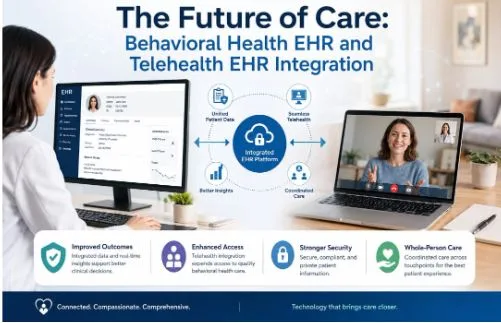
The delivery of behavioral healthcare has undergone a significant transformation in recent years. With the growing demand for accessible and flexible care, providers are increasingly turning to digital solutions that bridge the gap between in-person and remote treatment. At the center of this shift is the integration of behavioral health EHR and telehealth EHR integration, a powerful combination that is redefining how care is delivered, managed, and experienced.
Modern platforms like Opus EHR are leading this evolution by offering integrated systems that bring clinical documentation and virtual care together in one seamless environment.
Understanding Behavioral Health EHR Systems
Behavioral health EHR systems are specifically designed to meet the needs of mental health professionals. They go beyond traditional medical records by supporting therapy notes, treatment plans, patient progress tracking, and long-term care management.
These systems allow clinicians to maintain detailed, structured records while also offering flexibility for narrative documentation—something that is essential in behavioral health settings. Features such as appointment scheduling, billing integration, and secure messaging make it easier to manage both clinical and administrative tasks efficiently.
What Is Telehealth EHR Integration?
Telehealth EHR integration refers to the seamless connection between an EHR system and virtual care tools, such as video conferencing, remote patient monitoring, and digital communication platforms.
Instead of using separate systems for telehealth and patient records, integration allows providers to conduct virtual sessions, document notes, and update records—all within a single platform. This eliminates the need for switching between multiple tools and ensures that all patient information is stored in one secure location.
Why Integration Matters in Behavioral Health
Behavioral health services are uniquely suited to telehealth. Many therapy sessions can be effectively conducted remotely, offering patients greater flexibility and reducing barriers such as travel time and stigma.
When behavioral health EHR systems are integrated with telehealth capabilities, providers can deliver care more efficiently and effectively.
- Seamless Virtual Sessions
Clinicians can schedule and conduct telehealth appointments directly within the EHR system. This creates a smooth workflow from booking to documentation without interruptions. - Real-Time Documentation
During or immediately after a virtual session, providers can update patient records within the same platform. This ensures accuracy and saves time. - Improved Patient Access
Telehealth integration makes it easier for patients to receive care from anywhere. This is especially beneficial for individuals in rural or underserved areas. - Enhanced Continuity of Care
All interactions—whether in-person or virtual—are recorded in a unified system. This provides a complete view of the patient’s history, improving treatment decisions. - Increased Practice Efficiency
By combining EHR and telehealth tools, practices can reduce administrative overhead and optimize workflows, allowing staff to focus more on patient care.
Key Features to Look For
Not all systems offer the same level of integration. When choosing a solution, behavioral health providers should look for:
- Built-in video conferencing with secure, HIPAA-compliant technology
- Integrated scheduling and automated appointment reminders
- Easy-to-use documentation tools for virtual sessions
- Secure patient portals for communication and access to records
- Compatibility with mobile devices for on-the-go access
Platforms like Opus EHR provide these features in a unified system, making it easier for practices to adopt and scale telehealth services.
The Impact on Patient Experience
Telehealth EHR integration is not just about convenience for providers—it significantly enhances the patient experience as well.
Patients can attend therapy sessions from the comfort of their homes, reducing anxiety and increasing engagement. डिजिटल access to appointments, records, and communication tools empowers patients to take a more active role in their care.
Additionally, integrated systems reduce the chances of miscommunication or lost information, ensuring a smoother and more reliable care journey.
Challenges and Considerations
While the benefits are clear, implementing integrated systems does come with challenges. Practices may need to invest in staff training, ensure reliable internet connectivity, and address concerns related to data security.
However, these challenges are often outweighed by the long-term advantages of improved efficiency, better patient outcomes, and increased accessibility.
Looking Ahead
The future of behavioral healthcare lies in connected, technology-driven solutions. As telehealth continues to grow, the integration of EHR systems will become even more essential.
Emerging technologies such as artificial intelligence, predictive analytics, and digital therapeutics are expected to further enhance these platforms, providing deeper insights and more personalized care.
Final Thoughts
The integration of behavioral health EHR and telehealth EHR integration is transforming the way mental health services are delivered. By combining clinical documentation with virtual care capabilities, providers can offer more accessible, efficient, and patient-centered treatment.
For practices looking to stay ahead in an increasingly digital healthcare landscape, adopting an integrated solution like Opus EHR is a strategic move. It not only improves operational efficiency but also ensures that patients receive the care they need—whenever and wherever they need it.