What New Building Codes Mean for Commercial Roofs
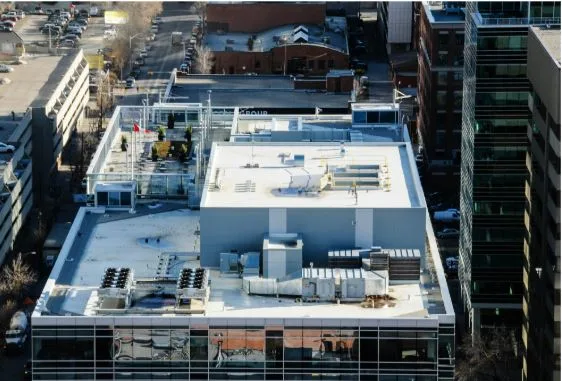
A property manager in Houston recently budgeted for what seemed like a routine roof replacement on a mid-sized office building. Halfway through planning, updated energy requirements and wind-load standards changed the scope of the project entirely. Materials that worked under older codes no longer meet current efficiency and durability expectations.
Commercial roofing standards are evolving quickly as cities and states respond to rising energy costs, stronger storm systems, and long-term sustainability goals. Building owners are now expected to consider insulation performance, solar readiness, wind uplift resistance, and reflective roofing materials during both new construction and reroofing projects.
Code updates can feel overwhelming at first, especially for owners managing older buildings. Understanding the major changes behind current roofing requirements can help property managers avoid delays, unexpected expenses, and compliance issues during future projects.
Roofing Materials Are Changing With Modern Code Requirements
Commercial roof systems now need to satisfy stricter performance standards in many regions. IECC 2024 energy efficiency targets and ASCE 7-22 wind load requirements are pushing building owners toward more durable and energy-conscious roofing systems.
Charter Roofing is one example of a roofing company that works with compliant systems for hot and humid markets, including membrane, metal, and modified bitumen options designed for long-term performance and maintenance planning.
Several roofing systems commonly used for code compliance include:
- TPO membrane roofing
- PVC roofing systems
- Standing seam metal roofs
- Modified bitumen roofing
- Reflective cool roof coatings
Performance requirements vary depending on climate zone and local enforcement standards.
IECC 2024 Is Raising Energy Efficiency Expectations
The International Energy Conservation Code continues pushing commercial buildings toward improved thermal performance and reduced energy waste. Roofing systems now contribute significantly to compliance because insulation values and reflective surfaces affect cooling demand.
Cool roof requirements are especially important in warmer climates where solar heat gain increases HVAC strain. Reflective roofing materials can help reduce indoor temperatures while lowering long-term energy costs.
Several efficiency factors now receive closer attention:
- Roof insulation values
- Solar reflectance ratings
- Air barrier performance
- Moisture control systems
- Energy modeling compliance
Higher efficiency standards may increase upfront costs but often improve operational savings over time.
Wind Load Standards Are Becoming More Demanding
ASCE 7-22 standards are increasing attention on wind resistance and attachment systems for commercial roofs. Hurricane-prone and coastal regions face especially strict requirements due to growing concerns about severe weather events.
Roof assemblies must now withstand stronger uplift pressures and more demanding structural performance expectations. Improper fastening systems or outdated materials can create major compliance problems during inspections.
Several wind-related roofing upgrades may include:
- Enhanced fastening systems
- Reinforced roof edges
- Stronger attachment patterns
- Higher-rated materials
- Improved drainage design
Wind resilience has become a major factor in commercial roofing design decisions.
Solar-Ready Roofing Is Expanding
Many municipalities are encouraging or requiring solar-ready roofing infrastructure for commercial properties. Even buildings not immediately install solar panels may need to accommodate future energy upgrades during current construction projects.
Solar-ready pathways can affect roof layout, load calculations, and material compatibility. Planning during reroofing projects may reduce future installation costs significantly.
Several solar-related considerations include:
- Structural load capacity
- Roof access pathways
- Electrical conduit planning
- Reflective material compatibility
- Long-term maintenance access
Early planning helps avoid expensive modifications later.
Building Owners Should Plan for Higher Costs and Longer Timelines
Updated roofing requirements often increase project complexity compared to older reroofing standards. Additional inspections, engineering reviews, and material requirements may extend planning timelines and raise overall costs.
Budgeting early and working with experienced commercial roofing professionals can help reduce delays during permitting and installation. Property managers should also review local code adoption schedules because enforcement timing varies by region.
Several planning steps can improve project readiness:
- Schedule early inspections
- Review local code updates
- Budget for contingencies
- Compare material warranties
- Verify contractor experience
Preparation helps reduce costly surprises during construction.
Commercial Roofing Compliance Is Becoming More Strategic
Commercial roofing projects are no longer focused solely on waterproofing and basic structural protection. Energy efficiency, wind resilience, and future solar integration are now central parts of modern roofing compliance strategies.
Building owners who understand evolving code requirements can make smarter long-term investment decisions while reducing operational risks. Many property managers in hot and humid regions continue researching compliant roofing systems and maintenance guidance through companies like Charter Roofing when planning future commercial roof upgrades.