Front Light for Bike Safety: Smarter Night Riding in 2026
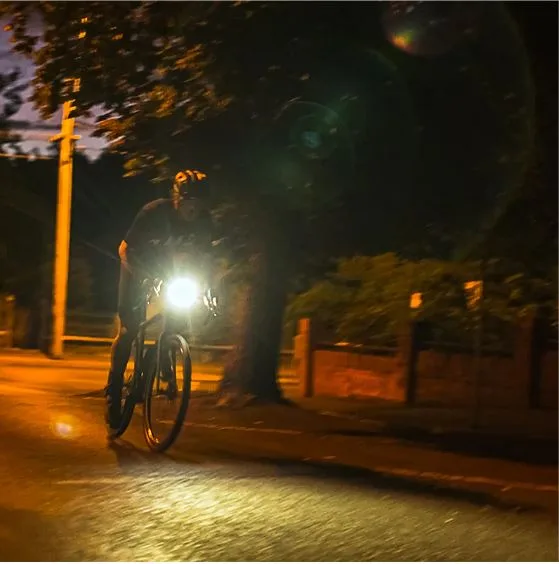
Night cycling has become increasingly common, whether for commuting, fitness, or leisure rides. But as roads get busier and visibility becomes more critical, one thing is clear: a reliable front light for bike is no longer optional. It’s a basic safety requirement. Along with a dependable bicycle tail lamp, it forms the core of any cyclist’s visibility setup.
Riders often focus on speed, comfort, or gear upgrades but lighting quietly decides how safe every ride actually is. Without proper illumination, even familiar roads can become unpredictable.
Why Night Riding Needs Better Visibility Than Ever
Modern traffic conditions are not cyclist-friendly in low light. Cars move faster, intersections are more complex, and distractions are everywhere. In such an environment, visibility becomes your first layer of protection. A strong front light for a bike helps you identify potholes, road edges, pedestrians, and sudden obstacles. At the same time, a bicycle tail lamp ensures that vehicles approaching from behind can detect your presence early.
In simple terms:
- Front light = awareness of what’s ahead
- Tail lamp = awareness of your presence from behind
Both work together to reduce reaction delays for everyone on the road.
What Makes a Good Front Light for Bike Riding
Not every bike light is designed for real riding conditions. Some are fine for short park rides, but not for traffic-heavy or dark-road cycling.
A high-quality front light for bike should include:
- Strong beam intensity for clear road vision
- Wide angle spread to cover peripheral areas
- Stable mounting to avoid vibration during rides
- Long-lasting battery for extended trips
- Multiple modes (steady, eco, flashing)
- Weather resistance for rain or dust conditions
Cyclists today also prefer smarter lighting systems that automatically adjust brightness depending on surroundings. This reduces glare for others while maintaining optimal visibility for the rider.
Importance of Bicycle Tail Lamps in Real Traffic
A bicycle tail lamp is often underestimated, but it plays a critical role in preventing rear-end accidents. Most cycling incidents happen not because riders can’t see—but because drivers fail to see them in time.
A strong tail lamp ensures:
- Continuous visibility from behind
- Better distance judgment by drivers
- Clear signaling in braking or slowing down situations
Modern rear lights sometimes include motion sensors or brake detection features, making them even more effective in traffic conditions. When paired with a proper front light, it creates a complete safety system that covers both directions.
Building a Complete Lighting Setup for Safer Riding
The safest cyclists never rely on a single light source. Instead, they build a complete visibility system that works in harmony.
A balanced setup includes:
- A powerful front light for bike
- A bright and responsive bicycle tail lamp
- Optional side reflectors or helmet lights
This combination ensures you are visible from all angles, not just front and back. It becomes especially important in city traffic where vehicles approach from multiple directions.
Why Cyclists Prefer RAVEMEN Lighting Systems
Among cycling light brands, RAVEMEN has built a strong reputation for designing practical and rider-focused lighting solutions. Instead of focusing only on extreme brightness, the brand emphasizes usability and safety.
Many riders choose RAVEMEN because:
- Their beam design reduces glare for oncoming traffic
- Lights are engineered for real road conditions
- Battery performance is optimized for daily commuting
- Build quality supports long-term outdoor use
For commuters and long-distance cyclists, this balance of comfort and performance makes a noticeable difference in everyday riding.
Common Mistakes Cyclists Make with Bike Lighting
Even with good equipment, improper usage can reduce effectiveness. Some common mistakes include:
- Using only a front light without rear visibility
- Angling the front light too high (causes glare)
- Not checking battery levels before rides
- Relying on streetlights instead of bike lighting
- Ignoring rear visibility in well-lit areas
Avoiding these mistakes ensures your lighting system performs at its full potential.
How Proper Lighting Improves Riding Confidence
Good lighting doesn’t just improve safety it changes how you feel while riding. Cyclists with proper visibility setups tend to ride more confidently and consistently. A strong front light for the bike helps reduce hesitation on dark roads, while a reliable bicycle tail lamp reduces anxiety about traffic from behind. Together, they create a smoother, more controlled riding experience. This psychological comfort is just as important as physical safety.
Conclusion
A well-designed lighting setup is essential for every cyclist, especially in modern traffic conditions. A dependable front light for the bike ensures clear forward vision, while a bright bicycle tail lamp protects you from rear-side risks.
When used together, they create a complete visibility system that significantly reduces accident risks and improves riding confidence. Brands like RAVEMEN continue to support cyclists by offering lighting solutions that are practical, durable, and designed for real-world use. Safe riding is not just about skill, it’s about being seen from every direction.
FAQs
Why do I need a front light for bike riding at night?
A front light for bike riding helps you clearly see the road ahead, including obstacles, potholes, and traffic changes.
Is a bicycle tail lamp really necessary for safety?
Yes, a bicycle tail lamp is essential because it ensures that vehicles behind you can see you early and avoid collisions.
What is the ideal brightness for bike lights?
It depends on riding conditions, but a balance between strong visibility and glare control is most effective.
Can I use only a front light without a rear light?
It is not recommended. Both front and rear lights work together to provide full visibility and safety.
Why is RAVEMEN popular among cyclists?
RAVEMEN is known for producing durable, road-friendly lighting systems with balanced beam patterns and practical features for everyday riders.