Inside the Modern Kava Bar: The Community, Culture, and Characters Behind America’s Fastest-Growing Social Lounge
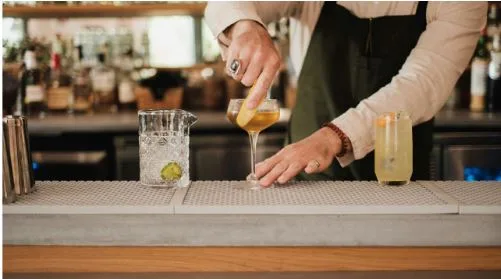
Walk into a modern kava bar on a Friday night and you might feel like you’ve entered a completely different version of nightlife. There’s music playing, conversations spilling across couches and outdoor patios, laptops glowing in corners, and groups of strangers casually talking as if they’ve known each other for years. But something is noticeably absent: the chaotic energy of a traditional bar scene centered around alcohol.
Instead of shots and cocktails, customers are sipping earthy bowls of kava or colorful botanical drinks mixed with ingredients like kratom, cacao, teas, or fruit infusions. The atmosphere feels calmer, slower, and oddly welcoming. In many towns across Florida and other parts of the United States, kava bars have become gathering places for people searching for connection without the pressure of intoxication.
What started as a niche cultural concept inspired by Pacific Island traditions has evolved into a full-fledged social movement. Today’s kava bars attract a surprisingly wide mix of people from all walks of life, creating communities that feel more like neighborhood lounges than businesses.
The modern kava scene is not built around one type of person. It thrives because it attracts many different personalities who all seem to want the same thing: a place to relax, socialize, and escape the noise of everyday life.
The Curious First-Timer
Almost everyone who becomes a regular at a kava bar starts out skeptical.
The first-time customer usually walks in because a friend insisted they “try it at least once.” They stare at the menu, confused by words like shell, grog, borogu, or botanical tea. They often ask the same questions:
“What does kava taste like?”
“Will this make me drunk?”
“Why does everyone seem so relaxed?”
The answer to the first question is usually met with laughter because kava is famous for its earthy, peppery taste. Some compare it to muddy water mixed with black pepper. Others insist it grows on you over time. Either way, nobody becomes a regular because of the flavor alone.
The curious newcomer is often surprised by the social environment more than the drink itself. Unlike many traditional nightlife venues, kava bars tend to encourage conversation. People introduce themselves freely. Staff members remember names quickly. It’s common for strangers to pull someone into a card game, philosophical discussion, or open mic performance within minutes.
For many first-timers, that sense of immediate community is what brings them back.
The Former Party Crowd
One of the largest groups frequenting kava bars today consists of people who used to spend their weekends in traditional bars and clubs.
Some grew tired of hangovers. Others wanted healthier routines without completely giving up nightlife. Many reached a point where loud clubs, expensive drinks, and chaotic crowds simply stopped feeling enjoyable.
Kava bars offer these individuals a middle ground. They can still go out at night, socialize with friends, listen to music, and meet new people without waking up the next morning feeling exhausted or regretful.
This crowd often appreciates the slower pace of kava culture. Instead of loud, aggressive energy, the environment leans toward mellow conversations and laid-back interactions. The pressure to drink excessively disappears, and many people discover they genuinely prefer socializing without alcohol dominating the experience.
Former partygoers frequently become some of the most loyal regulars because kava bars allow them to maintain an active social life while changing their lifestyle.
The Creative Personalities
Artists, musicians, writers, photographers, and independent creators have become deeply connected to kava culture.
There’s something about the atmosphere of a kava bar that naturally attracts creativity. Maybe it’s the relaxed setting. Maybe it’s the long conversations that drift into philosophy, music, business ideas, or abstract storytelling. Whatever the reason, creative personalities often feel at home in these spaces.
Many kava bars host open mic nights, acoustic performances, poetry readings, art showcases, or live painting sessions. Unlike more commercial venues, there is usually less pressure to be polished or perfect. The environment rewards authenticity over performance.
Writers sit in corners typing on laptops for hours. Musicians network with one another after small performances. Digital artists sketch while sipping botanical drinks. Entrepreneurs brainstorm startup ideas with strangers who eventually become business partners.
Kava bars have quietly evolved into modern creative hubs where people exchange ideas as much as drinks.
The Wellness Crowd
Not everyone visits kava bars for nightlife. A growing percentage of customers come from wellness-oriented lifestyles.
These are yoga enthusiasts, gym-goers, meditation practitioners, holistic health followers, and people seeking alternatives to alcohol-centered socializing. Many appreciate that kava bars typically create environments that feel calmer and more intentional than traditional nightlife spaces.
The wellness crowd often values routines, mindfulness, and balance. For them, a kava bar isn’t simply somewhere to spend time. It becomes part of a broader lifestyle centered around stress reduction and community.
You’ll often see these customers arriving earlier in the day with books, journals, or laptops. They might spend hours working remotely while casually talking with staff and regulars. Some kava bars even resemble coffee shops during daytime hours before transforming into social lounges at night.
This crossover between wellness culture and nightlife is one of the biggest reasons kava bars continue expanding across Florida and beyond.
The Night Owls and Misfits
Every social scene has its outsiders, and kava bars proudly embrace theirs.
Late at night, after most coffee shops have closed and traditional bars become rowdy, kava bars often turn into gathering spots for people who don’t quite fit into mainstream nightlife culture.
These include insomniacs, gamers, musicians after gigs, hospitality workers finishing late shifts, tattoo artists, college students, introverts, deep thinkers, and people who simply enjoy unconventional environments.
What makes kava culture unique is that eccentric personalities are not merely tolerated — they are often celebrated.
It’s not unusual to overhear conversations about conspiracy theories, spirituality, cryptocurrency, psychology, philosophy, music production, or obscure internet culture all happening simultaneously at nearby tables.
In many ways, kava bars function like old-school community cafés that disappeared decades ago. They provide spaces where people can exist without needing a specific purpose beyond conversation and presence.
For individuals who feel disconnected from traditional social environments, this can become incredibly meaningful.
The Entrepreneurs and Remote Workers
Another group increasingly shaping kava culture is the remote work crowd.
Freelancers, startup founders, digital marketers, online sellers, programmers, and content creators often spend entire afternoons working from kava bars. The relaxed atmosphere and extended operating hours make these venues ideal alternatives to crowded coffee shops.
Unlike coffee shops where customers may feel rushed to leave, kava bars often encourage lingering. Many have large seating areas, reliable Wi-Fi, and social environments that naturally foster networking.
Business collaborations frequently emerge from casual conversations between regulars. Someone designing websites meets a musician needing branding help. A social media manager connects with a local business owner. Friendships gradually turn into partnerships.
Because of this, many kava bars develop tight-knit ecosystems where regular customers support one another professionally as well as socially.
The entrepreneurial energy within these spaces has become one of the defining characteristics of modern kava culture.
The Search for Connection
Beneath all the different personalities found inside kava bars, there is one shared motivation connecting almost everyone: the desire for genuine human interaction.
Modern life has become increasingly isolated despite constant digital connection. Many people spend their days staring at screens, working remotely, scrolling social media, or feeling disconnected from real-world communities.
Kava bars fill a gap that many people didn’t realize existed.
The environment encourages slowing down. Conversations last longer. People make eye contact. Strangers become familiar faces. Regulars develop routines that provide a sense of belonging.
In a world where many public spaces feel transactional, kava bars often feel communal.
That sense of community explains why so many customers become emotionally attached to their favorite local kava spot. For some, it becomes more than a place to drink kava. It becomes their social circle, creative outlet, workplace, and emotional escape all at once.
The Future of Kava Culture
As kava bars continue spreading throughout Florida and other states, the culture surrounding them keeps evolving.
Some locations lean heavily into wellness and relaxation. Others resemble late-night social lounges filled with music and energy. Some cater to remote workers during the day and transform into vibrant social spaces after sunset.
Despite these differences, the core appeal remains consistent: people want environments where they can connect without the chaos associated with traditional nightlife.
The rise of kava bars reflects larger cultural shifts happening across America. Younger generations increasingly prioritize experiences over excess. Many people are rethinking their relationship with alcohol, nightlife, and social interaction altogether.
Kava bars represent a new type of gathering place designed for that changing mindset.
They attract people searching for creativity, friendship, calmness, conversation, and authenticity in a world that often feels overstimulated and disconnected.
Inside these spaces, the drinks may bring people through the door initially, but it is usually the people themselves who keep everyone coming back.