Image to Video AI – Turn Photos into Cinematic Videos for TikTok, Reels & Ads
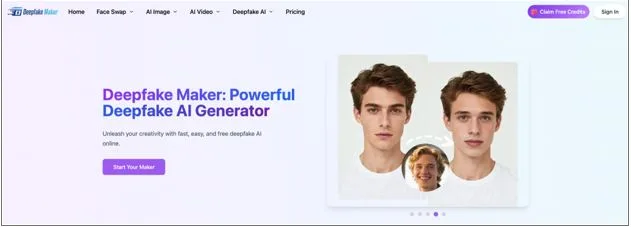
The way content is created and consumed has changed dramatically with the rise of artificial intelligence. There is no longer a need to have a static image to draw attention in a rapidly changing digital world, where a video takes over all the primary platforms. Nowadays, AI-based applications such as a deepfake image maker can turn plain photos into lively and interactive videos in just a few seconds.
The creators can now create cinematic clips, social media reels, marketing imagery, and even storytelling content with only a single image without possessing complex editing tools. It is not a matter of convenience alone, but a new dawn of digital creativity where anybody can transform ideas into a form of movement content immediately.
How AI Turns a Single Photo into a Cinematic Story
AI is a process that converts one photo into a movie through the analysis of visual features, including depth, lighting, subject matter, and composition and adds natural motion to the top of the latter. Deepfake AI image to video does not merely animate an image, but rather foresees how the scene would actually move in real life, with camera effects such as zooms, pans, and slight motion transition effects.
Through this process, a still image comes alive and expressive. Subtle movement of the shot can make a portrait more emotionally charged, and a landscape a sweeping cinematic shot. The AI effectively creates a brief narrative out of a single image, making motionless images interactive and engaging to watch.
Image to Video AI for TikTok, Reels & YouTube Shorts Growth
Short-Form Video Is Driving Digital Growth
Quick, entertaining video content has now taken over TikTok, Instagram Reels, and YouTube Shorts. Reading speed in audiences is high, and therefore, an audience must attract attention in a few seconds. Image to Video AI assists creators in fulfilling this need by transforming still pictures into lively video clips that instantly stand out in congested feeds.
Turning Simple Images into Viral-Ready Content
Using Image to Video AI, one picture can be turned into a short and interesting video that is optimised to run on a vertical platform. It could be a product shot, a travel image, a meme, or a promotional poster, but, in any case, AI introduces some motion effects that help the content look alive and more attractive to the audience. This enhances the likelihood of more watch time and improved engagement.
Faster Content Creation for Consistent Posting
In a few seconds, creators and marketers can create numerous variants of the video based on the same picture. It is also simpler to test various styles, hooks and different visual effects without wasting hours on editing. This leads to increased speed and consistency in content production, as well as greater suitability for the fast-paced social media algorithm.
From Photography to Motion Art – A New Creative Era
Photography has always been capturing a point in time, and AI is reinventing it by providing motion, depth, and narrative to stationary photographs. This development involves the shift of traditional photography to a completely different type of motion-based digital art.
Image to Video AI has enabled photographers, designers, and content creators to bring their images to life in a manner that could not be achieved previously without sophisticated animation tools. An individual photograph is no longer an end in itself, but rather the beginning of unlimited creative expansion, which may manifest itself in film edits, animated artwork, and interactive storytelling images.
This transformation is a more expansive creative revolution in which AI is not supplanting creativity; rather, it is widening it, and anyone can change fixed photography into moving visuals.
How Image to Video AI Boosts Conversion Rates
Image to Video AI enhances the conversion rates by converting still visuals into dynamic motion-like content that attracts users visually. Motion is naturally more noticeable than still images in fast-scrolling settings like social media feeds and advertisement platforms, which will prompt a brand to ensure that these materials can prevent users from scrolling, prompting them to engage with the text.
It also improves product presentation by giving the visuals a more realistic and attractive look. There is no flat picture but a flowing effect, zoom, and movie-like transfers to emphasise product details better. Such a more vivid experience creates confidence and enables the users to appreciate more the worth of what is being provided.
As engagement increases, so do conversions. Video content created by AI usually has a higher watch time, clicks, and platform share. These enhanced engagement indicators drive content to more individuals, which eventually boosts businesses and creators’ traffic, leads, and sales.
Conclusion
Image to Video AI is transforming the way visual content is produced, distributed and consumed on the internet. It allows people to create new possibilities in storytelling, marketing, and the development of social media without any technical skills, as it turns simple images into cinematic videos.
This technology is turning the gap between creativity and accessibility by improving interaction on such platforms as Tik Tok or Instagram, as well as making motion-based digital art accessible. As AI is developing, the possibility to make a single photo a powerful visual narrative is likely to become a crucial tool that creators, brands, and average users will utilize.