What Makes a Great Certified Security Door Installer? A Buyer’s Guide
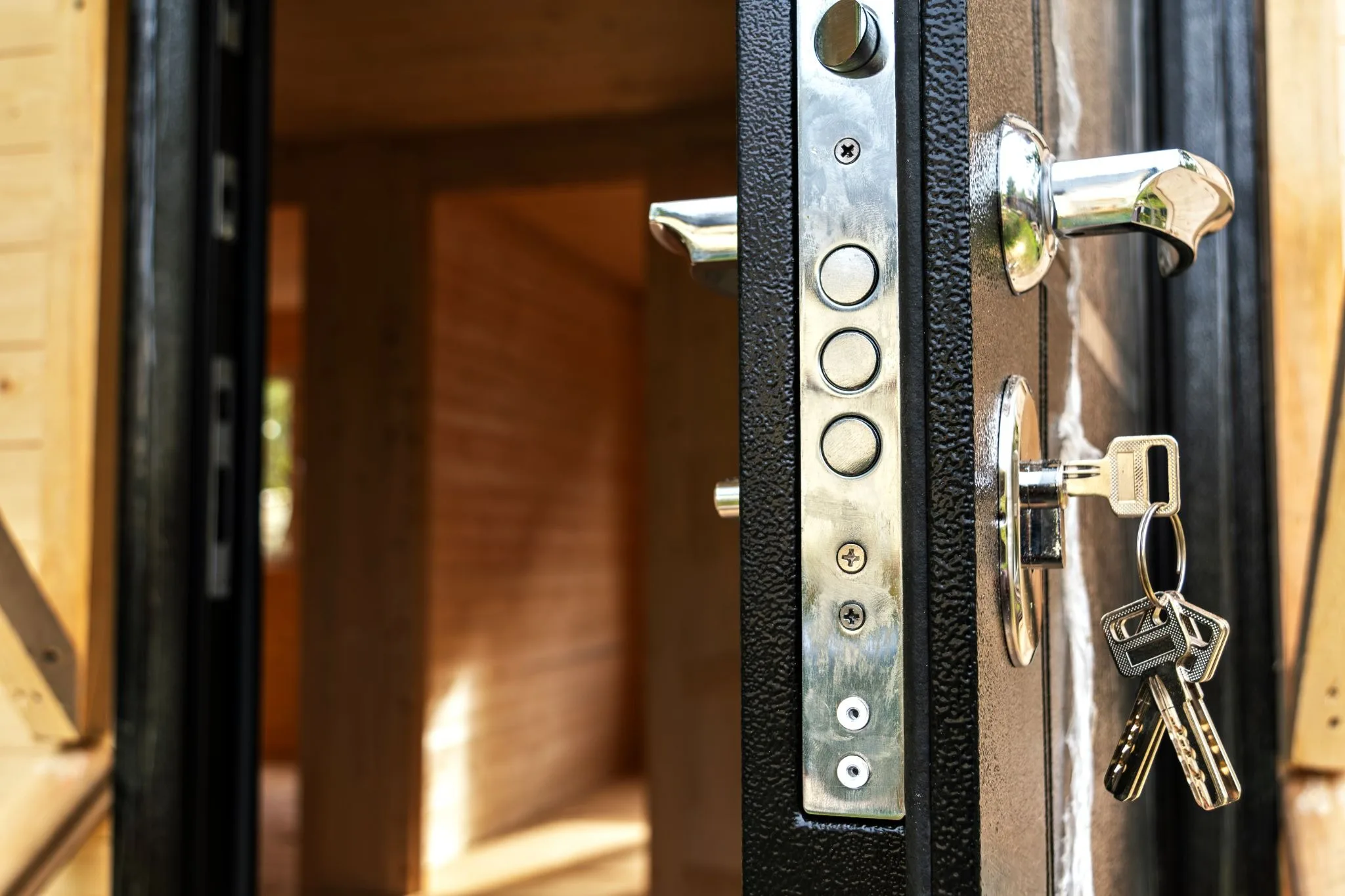
A security door is only as strong as its installation. You can invest in the most advanced reinforced steel door available, with multi-point locking hardware and the highest-grade materials, but if the frame is inadequately anchored, the alignment is off, or the hardware is incompatible with the building’s fire and egress requirements, that investment fails at the moment it is tested. Finding certified security door installers is not simply about verifying a license. It is about understanding what genuine expertise looks like, what questions to ask, and what red flags to walk away from. This guide provides a practical framework for making that evaluation confidently.
What Certification Actually Means in This Field
Certification in door installation encompasses several distinct layers, and understanding each one helps you evaluate a provider’s real qualifications rather than just their marketing language.
Manufacturer certification means the installer has completed training specific to the door products they are installing. This matters because every door system is engineered differently and comes with exact installation tolerances. Installing a premium security door requires verifying that there is sufficient mounting surface depth, that fasteners penetrate into structural framing rather than cosmetic trim, and that existing hardware has adequate clearance. A manufacturer-certified installer knows these specifications precisely. One who does not may produce a door that looks correct but will fail under pressure.
Industry credentials from organizations such as the Door and Hardware Institute, the Institute of Door Dealer Education and Accreditation, and the Builders Hardware Manufacturers Association reflect broader professional competence. The BHMA sets ANSI-accredited performance grades for locks and exit devices that represent the industry’s standard of care for hardware specification and installation.
For fire-rated and commercial applications, compliance with NFPA 80 is essential. NFPA 80 is the standard governing the installation and maintenance of fire doors and other opening protectives, requiring that assemblies be properly installed, tested after installation, and maintained to preserve their fire-resistance rating. The National Fire Protection Association’s fire doors FAQ page provides accessible guidance on what these requirements mean in practice and why modifications to fire-rated assemblies must be handled by knowledgeable professionals. Any security modification that compromises a fire door’s listed assembly can invalidate its rating entirely and create serious liability.
Licensing is a separate but related requirement that varies significantly by jurisdiction. Operating without required state or municipal contractor licenses can result in fines, voided warranties, and significant complications if work needs to be remediated. A credible installer will provide their license numbers without hesitation and carry both general liability insurance, covering third-party property damage during installation, and professional liability coverage for losses stemming from code violations or deficient work.
The Three Pillars of a Quality Installation
Understanding what a great installer actually does during a job helps you recognize the difference between genuine expertise and a crew that is comfortable moving quickly without thinking deeply.
The first pillar is a comprehensive pre-installation assessment. A qualified installer evaluates not just the door opening but the entire structural environment surrounding it. Heavy steel or reinforced security doors place significant load demands on the surrounding framing. Installing a heavy door on a weak or deteriorated frame transfers that security investment directly into a vulnerability. A thorough assessment also addresses how the door will integrate with existing security systems. Modern installations frequently involve smart locks, access control readers, door position sensors, and video doorbells. Clearances, wiring pathways, and hardware compatibility all need to be resolved before work begins, not discovered after the door is hung.
The second pillar is precision calibration. Security doors are heavy and unforgiving when out of alignment. An installer who does not verify plumb and level at every stage of the installation will produce a door that binds, sags, or fails to latch cleanly under load. For automatic sliding security doors, calibration of safety sensors and opening speeds must meet the ANSI A156.10 standard. Precision here is not a differentiator; it is the baseline requirement for a functional installation.
The third pillar is hardware mastery. A certified installer is proficient in anchoring heavy-duty strike plates to structural elements, integrating electrified locks, routing low-voltage wiring for access control, and configuring fail-safe or fail-secure behavior for locks that must respond correctly during power outages or fire alarm activations. The interaction between electronic security and life safety systems requires someone who understands both domains. An installer who is fluent only in mechanical hardware but lacks experience with electronic integration is not fully equipped for modern security door work.
Red Flags That Signal a Problem
Several patterns during the evaluation and installation process reliably indicate that a contractor is not working at the required level.
The most common is ignoring manufacturer specifications in favor of speed or convenience. This includes using inadequate fasteners, anchoring to cosmetic trim rather than structural studs, and making field modifications that violate a door’s listed assembly. For fire-rated doors specifically, oversizing cutouts or adding non-listed hardware invalidates the fire rating and creates liability for the property owner, not just the installer.
A lack of specialized tools is another meaningful indicator. Commercial-grade and high-security door installations require equipment for frame grouting, heavy-duty masonry anchoring, and low-voltage electrical testing. An installer who shows up without these tools is either not qualified for the scope of the job or planning to improvise in ways that will compromise the outcome.
The absence of post-installation testing is perhaps the clearest red flag of all. Professional standards, including those in NFPA 80, require that door assemblies be tested immediately after installation to verify positive latching, self-closing function, and proper sensor operation. A crew that declares a job complete without systematically testing locks, closers, and any integrated electronic components is leaving the property owner with no verified evidence that the installation actually works.
Questions to Ask Before You Hire
Asking direct questions during the evaluation process separates qualified installers from those who cannot back up their claims.
Ask whether they hold manufacturer certification for the specific door being installed, not just general construction experience. Ask for their contractor license number and the state or municipality that issued it. Ask what general and professional liability coverage they carry and whether it explicitly covers electronic security integrations. Ask how they assess the structural integrity of the existing framing before anchoring a heavy door. Ask whether they provide written documentation of NFPA 80 compliance and post-installation test results upon completion.
A qualified installer answers all of these questions directly and provides documentation without being prompted. Evasiveness or vague reassurances in response to any of them is a reliable signal to keep looking.
Why This Matters More Than It Used to
Security doors today are no longer simple barriers. They are integrated systems that must simultaneously resist forced entry, contribute to fire compartmentation, accommodate emergency egress, meet accessibility standards, and host electronic hardware that interacts with broader building security infrastructure. The technical requirements for getting all of that right have grown substantially, and the consequences of getting any part of it wrong, including compromised security, invalidated fire ratings, and code violations, fall on the property owner. Choosing a certified installer who understands the full scope of that responsibility is the only way to ensure the investment actually delivers the protection it is intended to provide.