How to Cut Energy Bills by Optimizing Your Climate Infrastructure
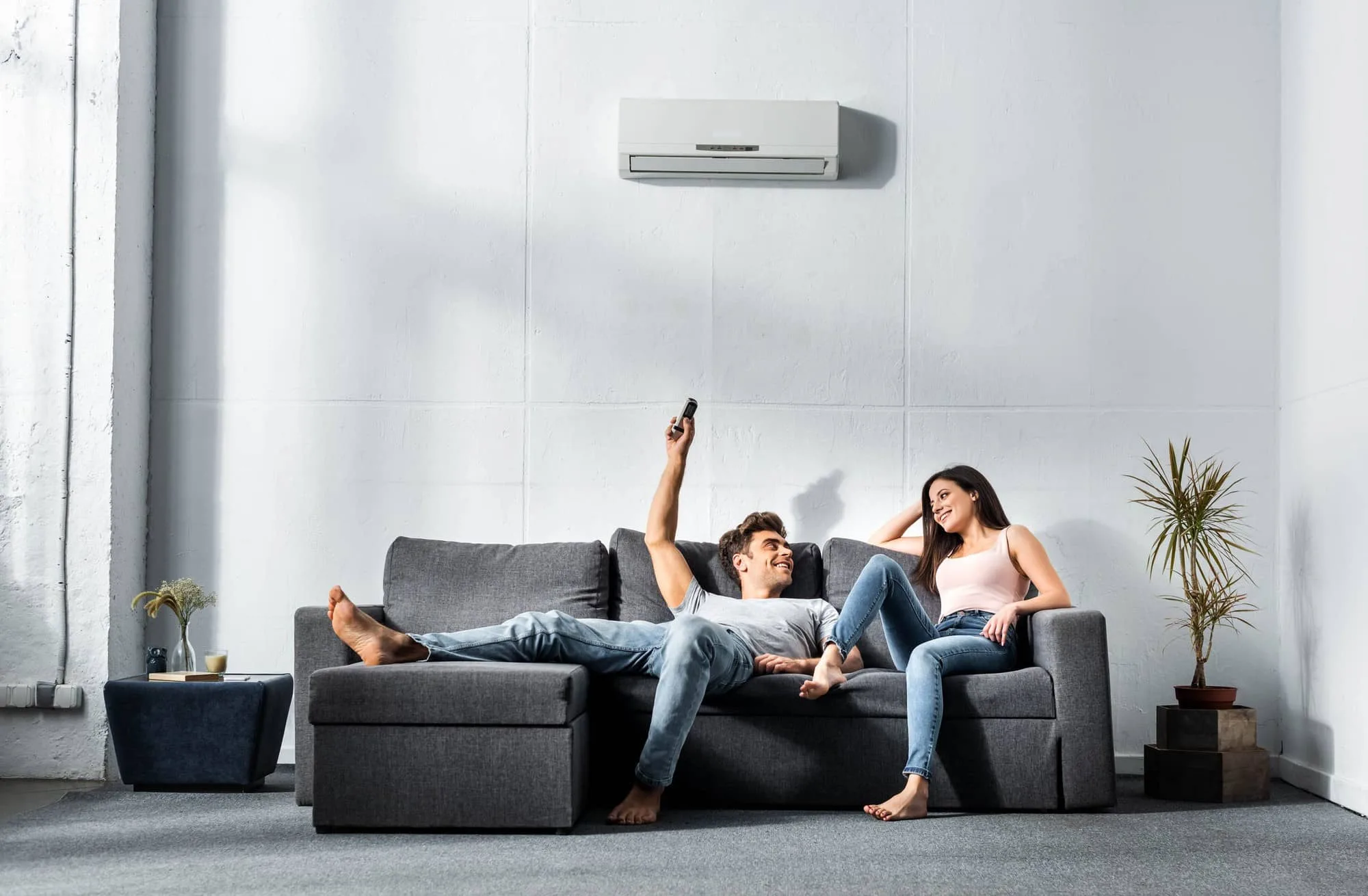
Energy costs keep climbing and homeowners are feeling the pinch each month. The U.S. Energy Information Administration estimates that heating and cooling consume almost half of the average home’s energy consumption. This means that your HVAC system can directly affect your yearly costs. The good news? Some clever upgrades to your climate infrastructure can make a huge difference in terms of energy savings and comfort at the same time.
Start With an HVAC System Assessment
It is important to know how efficient your current system is before making improvements. Many homeowners assume their air conditioner or furnace is working properly simply because it turns on. However, other problems such as dirty filters, damaged ductwork, or old thermostats can silently increase your energy costs.
The best AC company can help you discover these inefficiencies before they become costly issues. A professional inspection can often identify ways to enhance airflow, and minimize strain on the system and energy usage without replacing the entire system.
Upgrade to High-Efficiency Equipment
Older HVAC systems generally use much more energy than newer ENERGY STAR models. In fact, a system that is more than 10-15 years old can save up to 20-40% on cooling costs, depending on the equipment and home layout.
High-efficiency heat pumps, variable-speed air conditioners and smart zoning systems are engineered to keep the indoor temperature stable while consuming less electricity. These upgrades also help to enhance the humidity control and air quality in your home, making it more comfortable throughout the year.
Another easy win is smart thermostats. Research conducted by the U.S. Department of Energy indicates that homeowners can save up to 10% a year on their heating and cooling bills by using a thermostat that is programmed correctly.
Improve Insulation and Airflow
If your home is leaking conditioned air, even the most sophisticated HVAC system will have trouble. If your system is poorly insulated, has unsealed windows and blocked vents, it has to work harder than it needs to.
First, inspect the insulation in the attic and seal gaps around doors or duct connections. There are small changes that can make a big difference. It is also important to not close vents in unused rooms, as this can cause pressure imbalances that will lead to a decrease in efficiency.
Regular maintenance is also important. Over time, dirty evaporator coils, ignored filters, and limited airflow cause the system to lose efficiency. Filters should be changed every 1-3 months, particularly during the heating and cooling seasons.
Invest in Smarter Climate Infrastructure
Today’s homeowners are moving away from single-use HVAC systems and toward integrated climate solutions. Cutting-edge air & plumbing systems integrate efficient cooling, heating, airflow control and energy monitoring into a single streamlined system.
This reduces monthly utility bills and prolongs the life of equipment. Properly designed and installed in conjunction, they run more efficiently and with less wear and tear.
Long-term savings are also a significant factor of preventive maintenance plans. Catching refrigerant leaks, electrical issues, or airflow restrictions early can prevent sudden breakdowns and expensive emergency repairs later.
Small Changes Make a Big Difference
Reducing energy costs isn’t a single big project. It’s about optimizing the whole climate infrastructure. Improved insulation, intelligent controls, routine maintenance, and effective HVAC technology all help to reduce operating costs and enhance comfort.
Your utility bills could be the first indicator that your system is losing energy. Taking steps to correct those inefficiencies now can save you money for years and provide a healthier and more reliable indoor environment..