Why Singapore’s Event Rental Market Is Outpacing Pre-Pandemic Levels
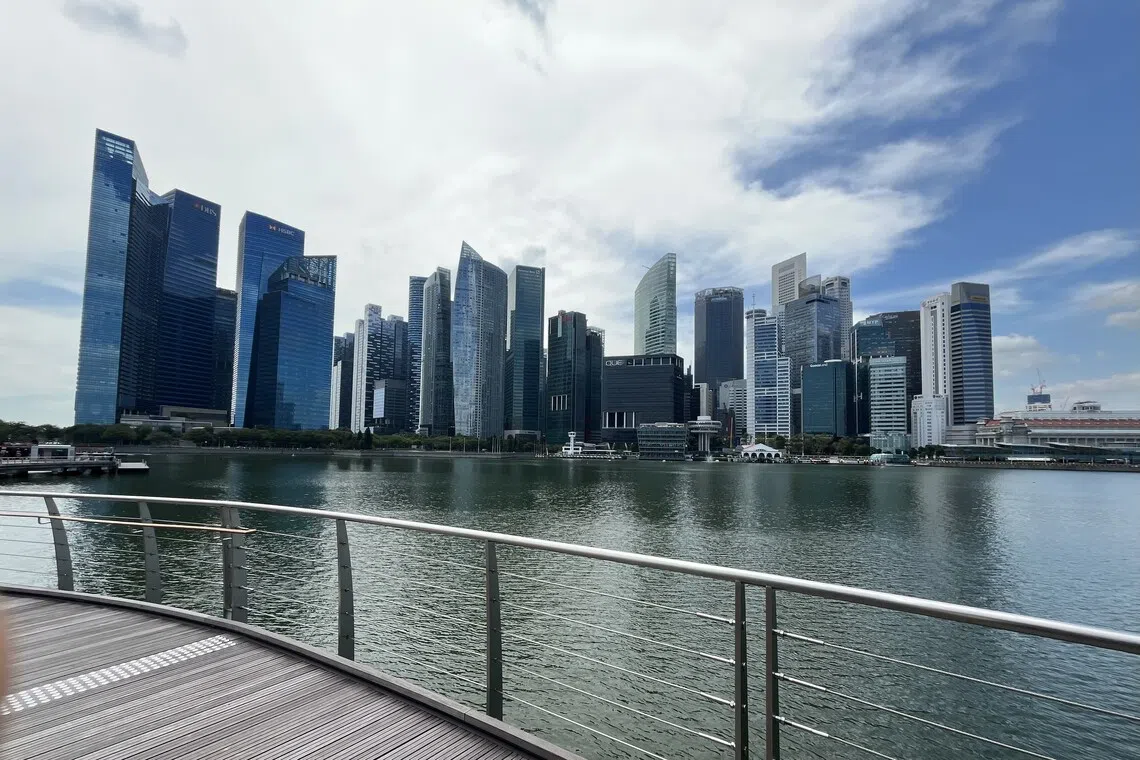
Singapore’s events industry has staged a return that few analysts saw coming this quickly. According to data released by the Singapore Tourism Board in March, MICE event volume in the city-state has recovered to 118 percent of 2019 levels, with private and corporate events leading the rebound.
The growth is reshaping a quiet corner of the hospitality economy: event rental. Tables, chairs, lighting, and tenting suppliers, once treated as commodity vendors, are now booking out three to four months in advance for prime weekend slots. “We have not seen demand like this in a decade,” said a spokesperson for Tentage Rental Singapore, one of the leading companies for rental equipment in Singapore. “Our bookings for the final quarter of the year were already 85 percent full by August, which is unusual even by peak season standards.”
One operator quoted in a Business Times report described turning away 40 percent of the inquiries received in the first quarter, citing a market-wide inventory shortage.
The numbers behind the trend tell a clear story.
What’s Driving the Surge
Three forces are pushing rental demand higher than even optimistic forecasts predicted.
The Wedding Backlog
Roughly 14,000 weddings were postponed or scaled down between 2020 and 2022. Most of those couples are now hosting the larger receptions they always wanted, often with twice the guest count of a typical pre-pandemic celebration.
Corporate Event Recovery
International conferences and product launches returned in force during 2024, and 2026 has seen a further 22 percent jump in corporate event spending across Asia-Pacific, according to a CWT Meetings and Events report.
The Outdoor Shift
Sustainability commitments and changing guest preferences have pushed events outside. Garden weddings, rooftop dinners, and beachside corporate retreats all require furniture that hotels and convention centers don’t supply.
Together, these forces created a structural shortage of event furniture in the market. Suppliers who can deliver clean, modern inventory are commanding premium rates.
The question becomes what this means for clients planning events.
Booking Windows Are Stretching
Two years ago, a couple could book wedding furniture six weeks out without worry. Today, the average lead time for a 200-guest event in Singapore is 12 to 14 weeks for popular Saturday dates between September and December.
A snapshot of current booking pressure across the industry:
| Event Type | Average Lead Time 2019 | Average Lead Time 2026 | Change |
| Wedding reception (200+ guests) | 6-8 weeks | 12-14 weeks | +75% |
| Corporate launch (100-300 guests) | 4 weeks | 8-10 weeks | +125% |
| Charity gala (300+ guests) | 10 weeks | 16-20 weeks | +80% |
| Private birthday (50-100 guests) | 3 weeks | 6 weeks | +100% |
| Outdoor festival (1,000+ guests) | 12 weeks | 24-32 weeks | +150% |
The table above reflects industry survey data collected by a consortium of three major Singapore rental operators in early 2026. The pattern is consistent across event categories: lead times have at least doubled.
For event planners, the message is straightforward. Lock in furniture before locking in florists, photographers, or even the venue if the venue does not provide its own equipment.
The pricing side of the equation is moving as well.
Prices Are Climbing, But Not Uniformly
Rental rates have risen between 8 and 22 percent depending on category, according to operator interviews. The biggest jumps have hit specialty items: chiavari chairs, premium lounge sets, and LED-illuminated tables.
Standard banquet chair rental prices have moved more modestly, with most suppliers reporting increases of around 10 to 12 percent over 2023 rates. “Banquet inventory is the one category where supply has roughly kept pace with demand,” the spokesperson for Tentage Rental said. “Specialty items like chiavari and Tiffany chairs are where clients see the most pressure on both pricing and availability, and we are recommending bookings four to five months in advance for those categories.” The relative stability in the standard category reflects healthy supply of basic banquet inventory, while specialty pieces remain harder to source.
A few drivers of the price movement:
- Container shipping costs for imported European chair lines remain 30 percent above 2019 baselines
- Singapore minimum wage adjustments lifted setup and delivery labor costs in 2024 and again in 2026
- Warehouse rental rates in the western industrial belt rose 18 percent over two years
- Insurance premiums for event equipment climbed after a 2023 incident at a beachfront wedding
Industry observers expect prices to stabilize through 2027 as new inventory orders placed in 2024 finally clear customs and reach Singapore warehouses.
The supply-and-demand picture is also reshaping which operators are gaining ground.
A Shift Toward Full-Service Providers
Five years ago, most Singapore event clients juggled separate vendors for furniture, tenting, lighting, and AV. The friction of coordinating four delivery trucks on a wedding morning has pushed many planners toward integrated suppliers who handle everything under one contract.
A 2025 industry survey by the Association of Event Organisers Singapore found that 67 percent of clients now prefer a single-vendor model, up from 41 percent in 2019. The shift has favored medium-sized operators who can offer furniture, tenting, and lighting from one warehouse.
Smaller, specialty-only suppliers are not disappearing. They are repositioning, often as subcontractors to the larger integrated firms, with their inventory absorbed into bigger orders.
The structural shift has implications for clients as well.
What This Means for Event Hosts
For anyone planning an event in Singapore over the next 18 months, five practical lessons stand out:
- Book early. Six months out is the new safe zone for weddings and major corporate events
- Get itemized quotes. Single-vendor quotes can hide pricing creep on specific items
- Confirm exact inventory. Some operators have stretched their fleet so thin that they substitute lesser-quality items at delivery
- Read cancellation clauses carefully. Many rental contracts now include strict 14-day cancellation windows
- Consider midweek dates. Tuesday through Thursday rates can run 20 to 30 percent below weekend pricing
The hosts who follow these rules usually walk into their event with the setup they pictured. Those who don’t often find themselves with the third-choice supplier and the leftover inventory.
The Outlook for the Rest of 2026
Industry forecasts compiled by event consultancy AsiaEvents Group project that Singapore’s event rental market will grow another 14 to 16 percent through the end of 2026 before stabilizing. The wedding backlog will largely clear by mid-2027, but corporate event demand is expected to remain strong as Asia-Pacific business travel continues its recovery.
Operators are responding with capital investment. At least four major suppliers have announced warehouse expansions or new inventory orders worth a combined SGD 30 million.
For now, the message from the industry to clients is the same one every operator has been repeating since the start of the year: book early, confirm twice, and don’t assume the supply problem has gone away.