Reducing Production Costs with Motor Manufacturing Automation Solutions
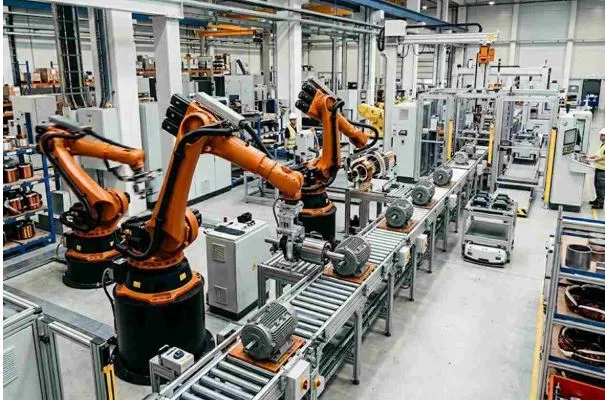
Motor manufacturing is one of the most competitive industrial sectors where efficiency, precision, and cost control directly influence profitability. As global demand for electric motors and industrial machinery continues to rise, manufacturers face increasing pressure to reduce production costs without compromising quality. Traditional production methods that rely heavily on manual labor and fragmented workflows often lead to inefficiencies, higher defect rates, and increased operational expenses.
The adoption of motor manufacturing automation solutions has become a key strategy for companies aiming to stay competitive in this evolving industrial landscape. Automation integrates advanced robotics, intelligent systems, and data-driven production methods to streamline operations and significantly reduce overall manufacturing costs. Motor manufacturing automation improves consistency, enhances production speed, and enables scalable operations that adapt to changing market demands with minimal material and time waste.
Key Cost Drivers in Production
Production costs in motor manufacturing are influenced by multiple interconnected factors. Understanding these drivers is essential for identifying areas where efficiency improvements and motor manufacturing automation solutions can create meaningful savings.
Key cost drivers include:
- Raw material waste
- Labor-intensive assembly
- Machine downtime
- Energy consumption
- Quality defects and rework
- Inefficient production planning
Each of these factors contributes directly to higher operational expenses. Even minor inefficiencies in handling materials or assembling components can lead to significant waste when scaled across mass production. Similarly, unexpected machine breakdowns interrupt production flow and increase both repair and labor costs.
Role of Automation in Cost Reduction
Automation plays a central role in minimizing production costs by optimizing processes, reducing human error, and increasing overall efficiency. The following areas highlight how automation delivers measurable financial benefits.
1. Automated Assembly Systems
Automated assembly systems have revolutionized motor manufacturing by replacing manual assembly lines with advanced robotic solutions capable of performing repetitive tasks with extreme accuracy. These systems ensure that every component is fitted correctly and consistently, reducing human error and increasing production stability. Over time, this reduces labor dependency and lowers defect-related costs.
2. Precision Manufacturing Technologies
Precision manufacturing technologies such as CNC machining, automated winding equipment, and laser-guided systems ensure that every motor component is produced with extremely tight tolerances. This reduces material wastage and minimizes rework requirements. Consistent quality across production batches leads to lower scrap rates and improved resource efficiency.
3. Predictive Maintenance Systems
Predictive maintenance systems use sensors and data analytics to monitor equipment health in real time. Instead of reacting to failures, these systems detect early warning signs and schedule maintenance proactively. This reduces unexpected downtime, extends machine lifespan, and ensures continuous production flow.
4. Smart Energy Management
Smart energy management systems play a vital role in controlling operational costs within factories that use motor manufacturing automation solutions. These systems continuously monitor power consumption and adjust machine energy usage based on workload requirements. Idle machines automatically reduce energy draw, while active systems optimize performance for efficiency. This intelligent control significantly reduces electricity costs in large-scale production environments where energy consumption is a major expense.
5. AI-Based Quality Control
AI-based inspection systems analyze products in real time using computer vision and machine learning. These systems detect defects that may be missed by human inspection, ensuring early removal of faulty components. This reduces waste, lowers rework costs, and improves overall product quality consistency.
6. Streamlined Material Handling
Automated guided vehicles and robotic arms improve the movement of materials across production lines. These systems reduce manual handling time and minimize delays caused by inefficient internal logistics. Faster material flow directly contributes to shorter production cycles and reduced operational costs.
7. Digital Production Planning
Digital production planning systems optimize manufacturing schedules using real-time data. They adjust production volumes based on demand, inventory levels, and capacity. This reduces overproduction, lowers storage costs, and improves overall production efficiency.
8. Workforce Optimization
Workforce optimization in modern factories supported by motor manufacturing automation solutions focuses on enhancing human productivity rather than eliminating jobs. Employees are shifted from repetitive manual tasks to supervisory, analytical, and maintenance roles that support automated systems. This increases efficiency per worker while reducing dependency on large labor forces and lowering long-term training and operational costs.
Future of Automated Motor Manufacturing
The future of motor manufacturing is evolving toward highly intelligent and interconnected production environments. The adoption of electric motor manufacturing automation will continue to accelerate as factories transition into fully digital ecosystems powered by artificial intelligence, robotics, and industrial IoT.
Smart factories will enable machines to communicate in real time, adjusting production speed, configuration, and output automatically based on demand and performance conditions. This will reduce inefficiencies and ensure continuous optimization of resources. Digital twin technology will further enhance this transformation by allowing manufacturers to simulate production systems virtually before implementing changes in real environments, reducing risk and cost.
Sustainability will also play a major role in future manufacturing strategies. Automated systems will prioritize energy efficiency, waste reduction, and environmentally responsible production practices. As global regulations become stricter, automation will help manufacturers remain compliant while maintaining profitability and long-term competitiveness.
The Smart Choice: HONEST Automation
HONEST Automation represents a forward-thinking approach to modern industrial transformation, focusing on delivering reliable, efficient, and scalable automation systems tailored for motor manufacturing environments. It emphasizes practical engineering solutions that help manufacturers achieve measurable cost reductions while maintaining high production standards.
By integrating intelligent control systems, robotics, and data-driven optimization tools, HONEST Automation enables factories to reduce inefficiencies across every stage of production. Its solutions are designed to improve operational transparency, enhance machine reliability, and support long-term productivity growth. This makes it a strategic choice for manufacturers looking to modernize their facilities and remain competitive in a rapidly evolving global market.
Conclusion
Reducing production costs in motor manufacturing requires a shift from traditional methods to intelligent, automated systems that can adapt to modern industrial demands. The implementation of motor manufacturing automation solutions provides a comprehensive approach to solving key challenges such as labor inefficiency, material waste, energy consumption, and machine downtime.
By leveraging robotics, predictive maintenance, AI-driven quality control, and digital planning systems, manufacturers can achieve significant cost reductions while improving productivity and product quality. As automation technology continues to advance, it will remain a central driver of efficiency, innovation, and competitiveness in the global motor manufacturing industry.