A Practical Guide to Material Handling Equipment for Modern Businesses
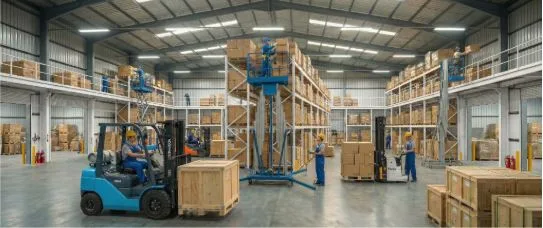
Efficient warehouse operations and smooth industrial workflows depend heavily on the right material handling equipment. Whether you operate a manufacturing facility, distribution center, retail warehouse, or logistics company, choosing the correct equipment can improve productivity, reduce workplace injuries, and lower operational costs.
As businesses continue to modernize their supply chains, investing in reliable handling solutions has become more important than ever. This practical guide explains the different types of equipment, their benefits, and how companies can choose the best solutions for their operations.
What Is Material Handling Equipment?
Material handling equipment refers to tools, vehicles, storage units, and machinery used to move, store, control, and protect materials throughout manufacturing, warehousing, and distribution processes. These systems are designed to improve efficiency and reduce the need for excessive manual labor.
From forklifts and pallet jacks to conveyor systems and automated storage solutions, the goal is always the same: streamline movement and improve workplace safety.
Businesses across industries rely on material handling systems to handle raw materials, finished products, packaging supplies, and inventory with greater speed and accuracy.
Types of Material Handling Equipment
There are several categories of equipment commonly used in warehouses and industrial environments.
1. Storage and Handling Equipment
This category includes shelving systems, racks, bins, and mezzanines designed to maximize storage space. Proper storage systems help businesses maintain organized inventory while improving accessibility.
Examples include:
- Pallet racks
- Industrial shelving
- Storage containers
- Automated storage systems
Well-planned storage systems can significantly improve warehouse efficiency and reduce clutter.
2. Industrial Trucks
Industrial trucks are among the most commonly used forms of material handling equipment. They allow workers to move heavy goods quickly and safely across facilities.
Popular industrial trucks include:
- Forklifts
- Pallet jacks
- Hand trucks
- Order pickers
- Reach trucks
These machines are especially useful in warehouses where products need constant movement between storage and shipping areas.
3. Conveyor Systems
Conveyors automate the transportation of goods within a facility. They are ideal for businesses that process large volumes of products daily.
Common conveyor systems include:
- Belt conveyors
- Roller conveyors
- Chain conveyors
- Automated conveyor lines
Automation reduces manual handling and increases operational speed, especially in manufacturing and distribution centers.
4. Bulk Material Equipment
Industries dealing with powders, grains, liquids, or loose materials often require specialized systems such as:
- Hoppers
- Silos
- Drum handlers
- Stackers
- Bucket elevators
These systems help safely transport and store bulk products while minimizing waste and contamination.
Benefits of Using Material Handling Equipment
Investing in modern equipment provides businesses with several long-term advantages.
Improved Workplace Safety
Manual lifting and repetitive movements can lead to workplace injuries. Proper equipment reduces strain on employees and creates a safer working environment.
Forklifts, lifting tables, and automated systems minimize the need for physical labor and reduce accident risks.
Increased Productivity
Efficient handling systems help workers move products faster and more accurately. This leads to quicker order fulfillment and improved customer satisfaction.
Automated equipment also allows businesses to handle larger workloads without increasing labor costs.
Better Space Utilization
Modern storage systems help maximize vertical and horizontal warehouse space. Organized inventory management reduces wasted space and improves operational flow.
Reduced Operational Costs
Although purchasing equipment requires an upfront investment, businesses often save money over time through improved efficiency, lower labor costs, and reduced product damage.
Choosing the Right Equipment for Your Business
Selecting the right solution depends on several important factors.
Understand Your Workflow
Before investing in equipment, businesses should evaluate how materials move through their facility. Understanding workflow patterns helps identify areas where automation or specialized machinery can improve efficiency.
Consider Load Capacity
Every machine has specific weight limitations. Choosing equipment that matches your operational requirements prevents damage and safety issues.
Evaluate Available Space
Warehouse size and layout play a major role in equipment selection. Narrow aisles may require compact forklifts or automated systems designed for tight spaces.
Focus on Maintenance and Reliability
Reliable equipment minimizes downtime and improves long-term productivity. Regular maintenance schedules are essential for ensuring smooth operation and workplace safety.
Many companies trust industry specialists to help them select dependable handling systems tailored to their operational needs.
The Growing Role of Automation
Automation continues to reshape the material handling industry. Businesses are increasingly adopting robotic systems, automated guided vehicles (AGVs), and smart warehouse technologies to improve speed and accuracy.
These technologies reduce human error, improve inventory tracking, and allow businesses to scale operations more effectively.
Companies looking to modernize their facilities are turning to innovative suppliers and industry experts for guidance. Businesses seeking advanced warehouse solutions often explore opportunities available at XFD to improve operational performance and increase efficiency.
Final Thoughts
The right material handling strategy can transform warehouse operations, improve employee safety, and increase overall productivity. From forklifts and storage systems to advanced automation technologies, investing in high-quality solutions helps businesses remain competitive in today’s fast-moving industrial landscape.
As supply chain demands continue to grow, companies that adopt reliable and efficient material handling systems will be better positioned for long-term success.
If your business is ready to improve warehouse efficiency, optimize storage, and enhance workflow performance, Contact us today to learn more about the latest handling solutions tailored to your operational needs.