How Sound-Based Animal Deterrent Technology Is Changing Outdoor Pest Control
Homeowners are increasingly using technology to solve problems that used to require repeated manual work. Outdoor pest control is one of those areas. Gardens, patios, garages, sheds, trash bins, decks, and landscaped spaces can attract animals looking for food, shelter, nesting sites, or easy access to cover. Once animals learn that a property offers something useful, they often return.
Traditional solutions usually start with fences, traps, sprays, netting, or repeated cleanup. Some of those methods can help, but they are not always convenient, humane, or easy to maintain. A fence may not protect every entry point. A spray can wash away after rain. A trap may be unsuitable for homeowners who want a non-contact solution. This is where a newer category of outdoor technology has gained attention: sound-based deterrent devices.
These devices are designed to make a specific area less attractive to nuisance animals by using sound, motion activation, light, or a combination of signals. The goal is not to harm wildlife. The goal is to discourage repeated visits and change the animal’s behavior around a protected zone.
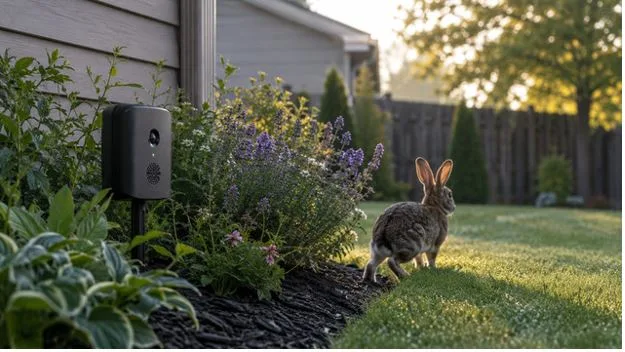
Motion-activated sound deterrent devices are often placed near gardens, lawns, patios, sheds, and other areas where animals repeatedly return.
Why Sound Is Used in Modern Animal Deterrents
Animals rely on their senses to understand risk. Depending on the species, sound can influence how an animal detects danger, communicates, moves through an area, or decides whether a location feels safe. A sudden or unfamiliar signal can make a space less comfortable, especially when it occurs at the moment an animal enters the protected zone.
Modern deterrent devices may use audible sound, ultrasonic sound, changing frequency patterns, lights, or motion-triggered activation. Ultrasonic sound is often described as sound at frequencies above or near the upper range of normal human hearing. In real outdoor use, performance depends on the device, the setting, the animal, the distance, the environment, and the way the device is installed.
The most practical use case is usually not a single animal passing through once. These devices are more useful when animals repeatedly visit the same area. Examples include rabbits entering a garden bed, raccoons approaching trash bins, squirrels returning to a patio, skunks moving near a garage, or birds gathering around a specific structure.
Motion Sensors Make the Technology More Useful
One of the most important improvements in this category is motion activation. A device that runs constantly can waste power and may become easier for animals to ignore. A motion-activated unit only responds when movement is detected. That makes the signal more sudden and more closely connected to the animal’s behavior.
This is important because animals can become used to predictable background signals. If a sound never changes and never relates to their movement, it may lose some of its effect. But if the animal enters an area and the device activates immediately, the location may feel less safe or less comfortable.
Motion activation is also better for homeowners and neighbors. A system that activates only when needed is usually more practical than one that runs all day or night. It can reduce unnecessary noise, save battery power, and make the device easier to live with in a normal residential setting.
Where These Devices Are Most Effective
Sound-based deterrents work best in defined outdoor zones. They should not be treated as whole-property shields. A single small device cannot protect every part of a yard equally. Placement matters, and so do obstacles, vegetation, walls, fences, terrain, wind, rain, and the animal’s normal path.
Common placement areas include:
- Garden beds and vegetable patches
- Trash bin storage areas
- Garage doors and shed entrances
- Decks, patios, and outdoor seating areas
- Driveways and side yards
- Compost areas and storage sheds
- Small lawns or landscaped areas
The strongest setup usually starts with observation. A homeowner should look for signs of activity: tracks, droppings, disturbed mulch, chewed plants, damaged soil, nesting material, or repeated movement near the same entry point. The device should then be placed where it can detect the animal clearly and send the signal toward the area being protected.
Technology Works Best With Basic Property Management
Sound-based devices can help, but technology alone is rarely the complete answer. If animals are being attracted by food, shelter, or easy access, they may continue trying to return. The device can make the area less appealing, but homeowners should also remove the reason animals are visiting in the first place.
That usually means securing trash lids, removing fallen fruit, not leaving pet food outside, managing birdseed, cleaning up compost spills, closing garage doors, and checking gaps under sheds or decks. These simple steps often make a deterrent more effective because they reduce the reward animals get from entering the area.
This is also where many homeowners make mistakes. They buy a device, place it in the yard, and expect it to solve everything without changing the environment. A better approach is to combine deterrent technology with practical prevention. The device should support the plan, not replace the plan.
Outdoor deterrent systems often combine motion sensors, solar power, sound output, and strategic placement near problem areas such as trash bins or garage entrances.
What Homeowners Should Compare Before Buying
Not all devices are built for the same situation. Some are designed for small garden beds. Others are intended for wider outdoor areas. Some are solar-powered, while others use replaceable batteries or rechargeable power. Some include lights. Some allow frequency adjustment. Some are weather-resistant enough for year-round use, while others are better suited for milder conditions.
Before choosing a device, homeowners should compare the features that actually affect outdoor performance:
- Target animal type
- Motion detection range
- Sensor angle
- Sound frequency options
- Power source
- Weather resistance
- Mounting height and placement options
- Ease of adjustment
- Neighborhood and pet considerations
Anyone comparing outdoor deterrent devices should understand that animal behavior is not perfectly predictable. A setup that works well in one yard may need a different angle, height, or frequency setting in another. For that reason, it helps to review how sound-based animal deterrent technology works before choosing a device for a garden, garage, patio, or backyard.
Frequency Settings Are Only Part of the Setup
Many buyers focus heavily on frequency settings, and that makes sense. Some devices allow users to adjust the sound range depending on the type of animal they are trying to discourage. But frequency is only one part of the system. Placement often matters just as much.
Sound does not travel through every outdoor space in the same way. Dense shrubs, fences, walls, outdoor furniture, uneven ground, and buildings can reduce or redirect the signal. A device placed too low may miss the animal’s movement. A device pointed in the wrong direction may activate too late or send sound toward an area the animal does not use.
A practical installation usually requires testing. Place the device where the animal enters or spends time, then adjust the angle and height if activity continues. In many cases, a small change in direction can make the unit more effective.
Why Humane Deterrence Matters
One reason this technology appeals to homeowners is that it offers a non-contact approach. It is designed to discourage animals from entering or staying in a specific area rather than catching, injuring, or poisoning them. That matters to people who want to protect gardens and property without using harsh methods.
Responsible use is still important. Devices should be used according to manufacturer instructions. Homeowners should avoid placing them where they may disturb pets unnecessarily. If the issue involves nesting, protected species, animals inside a structure, or repeated damage that does not stop, it may be necessary to contact a qualified wildlife professional.
Sound-based deterrents are best viewed as a prevention tool. They can reduce unwanted visits in certain areas, but they should be used with awareness of pets, neighbors, local wildlife, and property conditions.
Why This Market Is Growing
The growth of sound-based deterrent devices is part of a larger shift in home technology. Consumers are used to motion lights, outdoor cameras, smart irrigation, garage sensors, solar-powered fixtures, and connected home security. They increasingly expect outdoor products to be automated, easy to install, and low maintenance.
Animal deterrent devices fit that trend. Many are compact, weather-resistant, solar-powered, and simple enough for homeowners to install without professional help. They also offer flexibility. A device can be moved from a garden bed to a trash area, from a patio to a shed entrance, or from one side of the yard to another as animal activity changes.
This flexibility is one reason the category continues to grow. Homeowners do not just want a one-time fix. They want tools that can adapt to different outdoor problems.
A Practical Tool, Not a Guaranteed Solution
Sound-based animal deterrent technology can be useful, but it should be approached with realistic expectations. It is not a magic shield. It will not solve every wildlife problem on every property. It works best when the device is selected carefully, placed correctly, and combined with basic property management.
For many households, that balance is exactly what makes the technology appealing. It is simple, non-contact, and relatively easy to test. It can help protect gardens, patios, garages, trash areas, and landscaped spaces from repeated animal activity.
As outdoor home technology continues to improve, sound-based deterrents are likely to become more common. They give homeowners another way to manage nuisance animal activity without relying only on barriers, sprays, or traps. Used responsibly, they can make outdoor spaces easier to maintain and less inviting to unwanted animal visitors.