The Human Side of Mindfulness: Why Group Meditation Helps People Stay Consistent
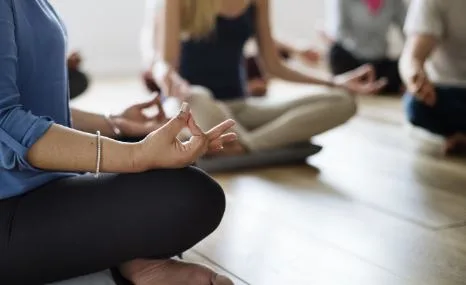
Meditation is often presented as a deeply personal practice. Yet while many people appreciate its benefits, maintaining a regular routine can be surprisingly difficult. Busy schedules, distractions, and changing motivation levels often cause even the most enthusiastic beginners to drift away from the habit.
This challenge has contributed to the growing popularity of group meditation. Rather than practicing alone, people are increasingly seeking opportunities to share mindfulness experiences with others. Whether through local gatherings, community wellness events, or organized meditation circles, practicing together can add an important layer of support and connection.
In simple terms, group meditation combines mindfulness with community. By creating shared experiences and encouraging regular participation, it may help people build a more sustainable meditation practice while also fostering meaningful social connections.
Why Group Meditation Often Encourages Consistency
Building any new habit requires effort, and meditation is no exception. While solo practice offers flexibility, it also relies entirely on self-discipline. Many people discover that meditating with others creates a stronger foundation for long-term consistency.
The Challenge of Practicing Alone
When meditation is entirely self-directed, it can easily be postponed. A missed session turns into several missed sessions, and before long, the habit begins to fade.
Group settings introduce a level of structure that can make mindfulness feel more approachable and easier to maintain. Instead of relying solely on willpower, participants benefit from the rhythm and predictability of a shared practice.
Accountability Without Pressure
One of the most valuable aspects of group meditation is gentle accountability.
Participants often feel encouraged to attend because:
- Sessions occur at scheduled times.
- Others are expecting them to participate.
- Consistency becomes part of a shared routine.
- Group members often motivate one another naturally.
- Attendance creates a sense of commitment without competition.
The Comfort of Shared Routines
Humans naturally respond to routines and social environments. Participating in regular mindfulness sessions can help transform meditation from an occasional activity into an established habit.
For many people, the simple act of showing up alongside others makes mindfulness feel less like a task and more like a meaningful part of daily life.
Why Shared Experiences Strengthen Habits
Behavioral research often suggests that habits are easier to maintain when they are connected to social experiences. When individuals meditate with others, they are not only practicing mindfulness but also participating in a shared commitment.
This sense of collective participation can help reinforce motivation over time. Even when enthusiasm fluctuates, the presence of a supportive group often encourages people to continue showing up and engaging with the practice.
The Social Benefits of Meditating Together
Meditation is often associated with inner reflection, but its social dimension can be equally important. Practicing mindfulness in a group setting creates opportunities for connection that extend beyond the meditation session itself.
A Sense of Belonging
Modern life can sometimes feel isolating despite constant digital communication. Many individuals are searching for experiences that provide genuine connection and shared purpose.
Research suggests that social connection plays an important role in overall well-being. The U.S. Surgeon General’s Advisory on Social Connection highlights the importance of meaningful relationships and community engagement.
Group meditation may support these goals by providing opportunities to:
- Meet people with similar interests.
- Participate in shared experiences.
- Build supportive social networks.
- Reduce feelings of social isolation.
- Develop a stronger sense of community.
Learning Through Shared Experiences
People often approach mindfulness from different backgrounds and perspectives. Group settings create opportunities to learn from others and discover new approaches to meditation.
Some participants find that hearing about the experiences of fellow meditators helps normalize common challenges, such as maintaining focus or establishing a regular routine.
Creating Lasting Wellness Habits
According to information provided by the National Center for Complementary and Integrative Health NCCIH, mindfulness practices may support well-being for some individuals. When mindfulness becomes part of a community experience, participants often gain additional encouragement that can help sustain healthy habits over time.
The Value of Community Support
A strong mindfulness community can offer something that many wellness practices lack: ongoing encouragement. Participants may exchange ideas, discuss challenges, and celebrate progress together.
While meditation remains a personal journey, many people find that being surrounded by others with similar goals makes the experience more engaging and rewarding. Community meditation settings can help transform mindfulness from a solitary activity into a shared experience rooted in connection and support.
How Technology Is Helping Build Real-World Mindfulness Communities
Technology is frequently criticized for keeping people disconnected from the world around them. Yet a growing number of wellness platforms are using digital tools to encourage real-world interaction instead of replacing it.
Finding Meaningful Local Experiences
Many people are interested in mindfulness but do not know where to begin. Discovering local wellness activities can sometimes be the biggest obstacle.
Modern platforms can help users:
- Locate nearby meditation events.
- Discover local meditation sessions.
- Connect with wellness groups in their area.
- Explore community meditation opportunities.
- Find meditation groups near me with greater ease.
- Participate in in-person meditation experiences.
Turning Online Discovery Into Offline Connection
The most thoughtful wellness technology acts as a bridge rather than a destination. Instead of encouraging endless scrolling, it helps users find opportunities to engage with people face-to-face.
This shift reflects a growing desire for authentic experiences that combine personal growth with community involvement.
Supporting a Mindfulness Community
For people interested in connecting with local practitioners, Pinealage is one example of a platform designed to help individuals find others nearby for small, in-person meditation sessions and participate in shared mindfulness experiences.
As the popularity of community meditation continues to expand, tools like a group meditation app can help introduce people to opportunities they may never have discovered on their own.
The goal is not to spend more time online but to use technology as a pathway toward meaningful offline experiences.
Beyond the Screen
Many people initially discover wellness opportunities through digital platforms, but the most meaningful experiences often happen offline. Local meditation sessions, wellness groups, and in-person meditation gatherings provide opportunities for genuine interaction that cannot always be replicated through a screen.
Technology is increasingly being used not as a substitute for human connection, but as a tool that helps people reconnect with their local communities and build relationships through shared mindfulness practice.
Why Human Connection Remains Essential
While meditation is often viewed as a personal journey, many people discover that connection plays an important role in maintaining the practice. Shared experiences can provide motivation, encouragement, and a sense of belonging that solo routines sometimes lack.
Research discussed by Harvard Health emphasizes the value of strong social relationships in supporting overall well-being. Group mindfulness activities offer one way to combine personal reflection with meaningful human interaction.
As more people seek balance in an increasingly digital world, group meditation continues to stand out as a simple yet powerful way to cultivate both awareness and connection. Whether through local gatherings, meditation circles, or a group meditation app that helps people meditate with others, the future of mindfulness may be just as much about community as it is about stillness.
The growing interest in social mindfulness reflects a broader desire for experiences that bring people together in meaningful ways. By combining personal reflection with community participation, group meditation offers an approach that many individuals find easier to sustain over time. In a culture filled with constant notifications and digital distractions, the opportunity to share moments of quiet presence with others may be one of the most valuable aspects of modern mindfulness practice.