How to Design the Best STEM Classrooms in Schools?
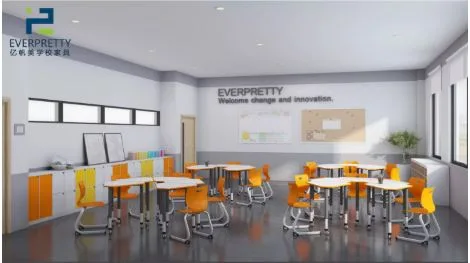
A STEM classroom is a dynamic learning environment integrating science, technology, engineering, and mathematics through hands-on, project-based inquiry.
Unlike traditional lecture halls, these spaces serve as “laboratories” that significantly boost student engagement, creation, and critical collaboration skills. By fostering an atmosphere of discovery, a well-designed STEM classroom prepares students for future-oriented skills.
So, how to design the best STEM classrooms in schools? Read on for more information.
Key Principles of STEM Classroom Design
The foundation of a successful STEM classroom lies in its ability to adapt. Modern education is no longer static; it is activities that require the physical environment to evolve in real-time. To achieve this, four core principles must be integrated into the STEM design.
-
Flexibility
Flexibility is the cornerstone of STEM classroom design, aiming to support diverse learning activities and instructional modes. You’ll need:
- Mobile Furniture: Use tables, chairs, workbenches, and storage units on casters. Students and teachers can effortlessly change the layout from “rows” to “groups” or a “presentation circle”.
- Multi-Purpose Zones: Define distinct zones like a discussion area, hands-on build zone, digital media zone, etc.
- Display Tools: Utilize movable whiteboard walls for flexible writing, displaying, and collaborating.
-
Technology Integration
A modern STEM classroom requires robust infrastructure. It supports creative applications.
- Diverse Tools: Equip the space with, but not limited to: computers/tablets, interactive whiteboards or large touchscreens, printers, digital microscopes, cameras, video recorders, scanners, and projectors.
- Seamless Access: Provide ample, easily accessible power and high-speed wireless internet.
When technology is integrated properly, it becomes a natural extension of the student’s creative process.
-
Organization
A well-organized environment minimizes distractions, increases efficiency, and cultivates good work habits. It means that everything has a clear, dedicated place and is easy for all users to maintain. It’s achieved by:
- Storage Systems: Use open shelving, transparent bins, and clear picture/text labels. Organize materials by type (e.g., electronics, building materials, measuring tools) or by project.
- Safety and Accessibility: Implement specific security measures for dangerous tools (e.g., hot glue guns, small drills) and valuable equipment. Frequently used materials should be easy to reach.
-
Team Collaboration
Collaborative learning is vital. A STEM classroom should encourage group interactions through:
- Large Classroom: Large and open space facilitates group movement and discussion.
- Collaborative Furniture: Large workbenches, or tables that easily join together. Provide mobile whiteboards and easy-to-use screen-sharing technology so groups can huddle and discuss anytime.
- Layouts: Encourage circular or cluster arrangements to facilitate eye contact and verbal exchange among all participants.
Furniture and Layout Considerations
Choosing the right STEM furniture is perhaps the most critical decision school administrators will make. The furniture must be sturdy enough while remaining comfortable and adaptable.
-
Right Workstations
Workstations should be multifunctional, human-centric, and rugged to adapt to a wide range of tasks. Key Considerations:
- Movable furniture that is lightweight to rearrange independently.
- Prioritize height-adjustable tables. For fixed-height tables, pair them with adjustable chairs.
- Tabletops and structures should be made from scratch-resistant, chemical-resistant, and impact-resistant materials (e.g., HDF, reinforced steel frames). Edges should be rounded.
- Chairs should be ergonomic and provide good lumbar support. Tables must offer sufficient legroom underneath to prevent poor postures.
-
Collaborative Design Process
In terms of layout, designing a successful STEM classroom is a collaborative design process. You should involve all stakeholders from the early stages, including teachers, students, support staff, and administrators. Those who teach, learn, and work in the space every day are the ones who best understand its functional requirements, workflow, and potential challenges.
Lighting, Acoustics, and Environment
The environment of a room significantly impacts concentration and comfort. When exploring science classroom design ideas, lighting and air quality must be prioritized.
-
Natural and Artificial Lighting
Bright, evenly distributed lighting enhances focus and reduces eye strain. Whenever possible, STEM classroom layouts should maximize window access.
However, for tasks involving high-precision electronics or screen-based work, adjustable artificial lighting and blackout shades are necessary to control glare.
-
Sound Management
Active STEM classrooms can get loud. The sound of 3D printers, power tools, and high-energy collaboration can create a distracting cacophony. Sound management involves using acoustic ceiling tiles, specialized flooring, and even soft furniture in collaboration zones to dampen echoes.
-
Air Quality and Comfort
Proper ventilation is essential in the STEM classroom, especially during science experiments. Ensure good HVAC airflow. Furthermore, maintaining a comfortable temperature and humidity level prevents student fatigue. Plants are helpful for improving air quality and adding a biophilic element to the science classroom design ideas.
Customize STEM Classroom Furniture
When it comes to customizing the highest quality STEM classroom furniture, EVERPRETTY Furniture stands as an expert supplier. With over 31 years of experience, they understand the unique demands of a modern technical classroom.
Whether you are looking for heavy-duty STEM tables that resist heat and chemicals or modular STEM furniture that allows for a rapid change in your science classroom layout, EVERPRETTY offers customizable solutions tailored to your institution’s specific needs.
Their products are designed with a tough, flexible, and versatile philosophy. They help schools and contractors move beyond static classrooms to create “labs” that stimulate the creativity of students.
Contact EVERPRETTY if you have any needs in design STEM classrooms.
Conclusion
Designing the best STEM classroom requires a strategic blend of flexible STEM design, durable furniture, and integrated technology. By prioritizing mobility and student safety, schools can create spaces that truly inspire.
For the best results, partner with EVERPRETTY Furniture to customize STEM furniture that meets your specific demands!