How Back Office Automation is Revolutionizing AI Operations
Introduction
In today’s fast-paced digital landscape, the role of back office operations has never been more critical. With the continuous advancement of technology, back office automation emerges as a game changer, particularly in artificial intelligence (AI).
This article explores how automated processes are not only streamlining operations but also enhancing the capabilities of AI systems. Readers will discover key benefits, practical implementations, and the future potential of this transformative technology.
The Need for Back Office Automation in AI
As AI continues to evolve, the complexity of managing AI operations has escalated. Traditional back office tasks, such as data entry, reporting, and administrative functions, can consume significant time and resources. Automation helps alleviate this burden, allowing teams to focus on strategic objectives rather than mundane tasks. By integrating automation within AI-driven workflows, organizations can achieve increased accuracy, faster processing times, and reduced operational costs.
How Automation Enhances Data Management
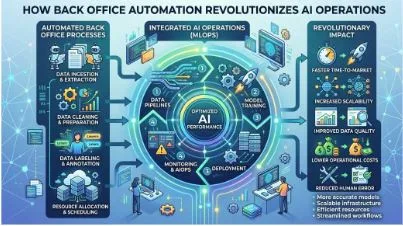
One of the pivotal areas where back office automation shines is data management. AI relies heavily on accurate and accessible data for training, analysis, and algorithm effectiveness. Automated systems can efficiently manage data collection, organization, and maintenance. This results in improved data quality, which is crucial for the reliability of AI outcomes. Organizations utilizing solutions like Mindrind have reported notable enhancements in their data handling processes, leading to better-informed decision-making and strategic initiatives.
Streamlining Communication and Collaboration
Effective communication is essential for any organization, but especially so in AI-driven environments where multiple teams work together. Back office automation tools facilitate seamless communication and collaboration among departments. Features like automated notifications, centralized information repositories, and real-time updates can improve teamwork significantly. With automated workflows, cross-functional teams can easily share insights, leading to quicker problem resolution and enhanced innovation.
Cost Efficiency through Automation
Automating back office operations not only boosts productivity but also brings substantial cost savings. By minimizing human error and streamlining repetitive tasks, companies can cut down on operational costs. Additionally, automated systems often operate 24/7, further maximizing efficiency. Organizations can redirect these saved resources towards research and development or other high-impact initiatives within the AI space, fostering growth and innovation.
Future Prospects: The Integration of AI and Automation
As technologies evolve, the synergy between AI and back office automation will cultivate even more intelligent systems. Future advancements could enable automation tools to self-learn from interactions, continuously improving their functionality and support for AI operations. The ability for these systems to adapt in real-time will pave the way for more advanced AI applications, ultimately reshaping industries.
Practical Tips for Implementing Back Office Automation
When considering back office automation, here are some practical tips to keep in mind:
- Identify Repetitive Tasks: Begin by detailing the back office tasks that are repetitive and time-consuming.
- Select the Right Tools: Research and select automation tools that align with your specific needs and goals.
- Start Small: Begin with one department or function to ensure that you can measure effectiveness before scaling up.
- Monitor and Evaluate: Continuously assess the effectiveness of automation efforts and make adjustments as necessary.
- Educate Your Team: Provide training for your team to smooth the transition and maximize the benefits of automation.
Conclusion
In conclusion, back office automation is not just a trend; it’s a vital element in the evolution of AI operations. By embracing automation, organizations can not only streamline their processes but also leverage AI capabilities for improved decision-making and innovation. As we look ahead, the integration of AI and automation will undoubtedly continue to transform industries, making the investment in these technologies more crucial than ever.
Frequently Asked Questions
Q: What is back office automation?
A: Back office automation refers to the use of technology to automate repetitive and administrative tasks in a company’s back office, improving efficiency and accuracy.
Q: How does back office automation benefit AI operations?
A: It enhances efficiency by reducing manual tasks, improves data quality, and allows teams to focus on strategic initiatives rather than routine operations.
Q: What are some common tools for back office automation?
A: Common tools include software for data processing, CRM systems, project management platforms, and communication tools that facilitate collaboration.
Q: Can small businesses benefit from back office automation?
A: Absolutely! Small businesses can leverage automation to reduce operational costs, save time, and improve overall productivity, allowing them to compete more effectively.
Q: What role will AI play in the future of back office automation?
A: AI will enable smarter automation tools that can learn, adapt, and optimize processes over time, further enhancing efficiency and decision-making.