Global Sporting Events and Their Influence on Digital Audiences
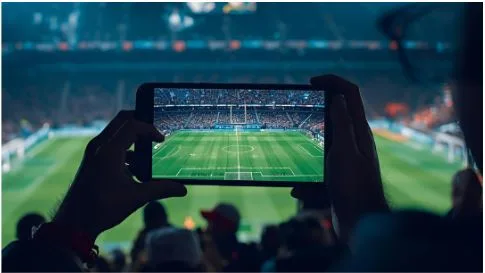
Global sporting events have become far more than competitions between athletes or national teams. In the digital era, they represent massive media ecosystems capable of attracting millions of viewers simultaneously across multiple platforms. International tournaments such as football championships, tennis Grand Slams, basketball finals, and Olympic competitions generate continuous streams of news, analysis, highlights, and live commentary that shape online audience behavior on a global scale.
The rise of digital platforms has fundamentally changed how fans consume sports content. Traditional television remains important, but online coverage now dominates audience engagement through live updates, social media interaction, streaming services, and mobile notifications. Sports fans no longer wait for post-match summaries; they expect immediate access to statistics, tactical analysis, and breaking developments in real time.
Live sports coverage, digital engagement, and the growing connection with interactive entertainment
One of the defining characteristics of modern sports media is the constant flow of information surrounding major international events. Digital audiences follow matches minute by minute, reacting instantly to goals, tactical changes, injuries, and controversial moments. This continuous engagement creates a dynamic environment where attention remains active long before and after the event itself.
The live format plays a central role in this transformation. Real-time commentary, instant statistics, and interactive media features increase emotional involvement and strengthen audience retention. Fans are no longer passive spectators; they participate in discussions, compare predictions, and monitor developments across multiple digital channels simultaneously.
This environment naturally overlaps with the broader world of interactive online entertainment, where anticipation and live decision-making are also central elements. Platforms connected to sports analysis and competitive prediction have gained visibility because they mirror the same real-time engagement that audiences experience during international tournaments. For example, digital hubs that allow users to explore competitive formats and match-based analysis often encourage readers to read more about strategic disciplines such as chess, where analytical thinking and anticipation remain central to the experience.
The connection between global sports coverage and interactive entertainment is primarily driven by audience psychology. Modern viewers seek constant stimulation, rapid updates, and immersive experiences. During major tournaments, every detail matters: tactical shifts, player substitutions, physical condition, and momentum changes become part of a larger narrative that unfolds in real time. This sense of immediacy increases emotional investment and keeps audiences connected for extended periods.
At the same time, mobile accessibility has amplified this trend. Fans now follow competitions through smartphones, streaming platforms, and dedicated sports applications regardless of location. The ability to instantly access highlights, notifications, and live statistics has transformed sports consumption into a continuous digital activity rather than a scheduled viewing event.
This broader ecosystem also explains the visibility of platforms associated with mobile accessibility and interactive content distribution. Services that simplify access to digital entertainment tools, such as options that allow users to quickly download specialized applications, reflect the growing importance of convenience and mobility within the online sports environment. Audiences increasingly expect seamless transitions between news consumption, live interaction, and personalized digital experiences.
Importantly, the success of these formats does not diminish the value of sport itself. On the contrary, technology expands the emotional reach of international competitions. The digital layer surrounding tournaments enhances storytelling, deepens audience understanding, and strengthens global participation. Fans can instantly compare perspectives from different countries, follow expert commentary, and engage with communities that share similar interests.
The unpredictability of sport remains one of the strongest drivers of engagement. Even with advanced statistics and constant analysis, outcomes cannot be fully controlled or predicted. This uncertainty fuels discussion and creates sustained attention throughout tournaments. Digital media amplifies these emotions by delivering immediate updates and maintaining a constant connection between the event and the audience.
International tournaments as global media events
Major sporting competitions now operate as worldwide media phenomena. Events such as the FIFA World Cup, the Olympic Games, and continental championships generate enormous digital traffic across news websites, social media platforms, and streaming services.
Coverage extends far beyond the matches themselves. Press conferences, training sessions, transfer rumors, and tactical breakdowns contribute to an ongoing cycle of content that keeps audiences engaged throughout the competition. The global nature of these tournaments also allows media companies to reach audiences across different time zones and cultural markets simultaneously.
The role of sports journalism in the digital era
Digital journalism has transformed the speed and structure of sports reporting. News organizations compete to provide immediate updates while also offering deeper analytical content. Modern audiences expect more than basic reporting; they seek tactical explanations, performance analysis, and contextual information that enhances their understanding of the competition.
As a result, sports journalism increasingly combines traditional reporting with multimedia storytelling. Video clips, live blogs, interactive graphics, and real-time statistics are now essential parts of sports coverage.
Social media and audience participation
Social media platforms have become central to how audiences experience global sporting events. Fans react instantly to controversial decisions, celebrate victories collectively, and share opinions in real time. Athletes, teams, and journalists also contribute directly to the conversation, creating a more interactive media environment.
This direct communication strengthens emotional engagement and increases the visibility of sporting events far beyond the competition itself.
Conclusion
Global sporting events have evolved into powerful digital experiences that shape audience behavior across multiple platforms. Live coverage, real-time updates, and interactive media tools have transformed how fans consume sports content and participate in global conversations.
The growing connection between sports media and interactive digital entertainment reflects broader changes in audience expectations, particularly the demand for immediacy, accessibility, and constant engagement. Despite these technological shifts, the essence of sport remains unchanged: unpredictability, emotion, and shared collective experience continue to drive worldwide attention and make international competitions one of the most influential forms of global entertainment.