TMS Therapy in Los Angeles: A Comprehensive Guide to Treatment and Benefits
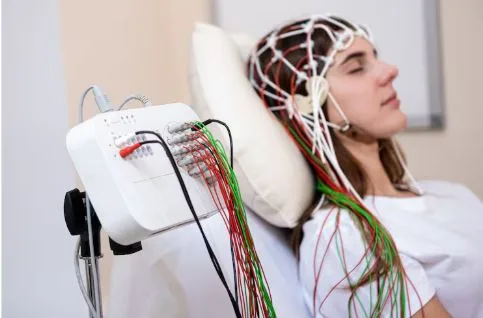
Depression and other mood-related conditions can significantly affect daily life, relationships, work performance, and overall well-being. For individuals who have not found sufficient relief from traditional treatments, TMS therapy in Los Angeles has emerged as a promising option. Transcranial Magnetic Stimulation (TMS) is a non-invasive treatment that uses magnetic pulses to stimulate specific areas of the brain associated with mood regulation.
In recent years, TMS has gained attention across the United States as an evidence-based approach for treatment-resistant depression and other mental health conditions. This article explains how TMS works, who may benefit from it, what to expect during treatment, and why many people in Los Angeles are exploring this therapy.
What Is TMS Therapy?
Transcranial Magnetic Stimulation is a procedure that uses electromagnetic pulses to stimulate nerve cells in targeted regions of the brain. The treatment is performed while the patient is awake and seated comfortably. No anesthesia is required, and individuals can typically return to their normal activities immediately afterward.
Who May Benefit from TMS Therapy?
TMS therapy is commonly considered for adults who:
- Have depression that has not adequately responded to medication or psychotherapy.
- Experience unwanted side effects from antidepressant medications.
- Are looking for a non-invasive treatment option.
- Need an alternative approach as part of a broader mental health treatment plan.
Research has shown that many patients experience meaningful symptom improvement after completing a full course of TMS therapy. However, results can vary depending on the individual and the severity of symptoms.
What Conditions Can TMS Help Treat?
While TMS is best known for treating major depressive disorder, ongoing research has explored its use for additional conditions, including:
Major depressive disorder
Especially when symptoms persist despite standard treatments.
Obsessive-compulsive disorder (OCD)
Certain protocols are FDA-cleared for OCD treatment.
Anxiety-related symptoms
TMS may be used as part of a comprehensive treatment plan.
PTSD and other disorders
Some clinics offer treatment under specialist guidance where appropriate.
Patients should always consult a qualified healthcare provider to determine whether TMS is appropriate for their specific condition.
The TMS Treatment Process
1. Initial Evaluation
A mental health professional reviews medical history, current symptoms, previous treatments, and overall suitability for TMS.
2. Mapping Session
During the first appointment, the clinician identifies the optimal treatment area and determines the appropriate stimulation intensity.
3. Treatment Sessions
Most treatment plans involve sessions five days per week for several weeks. Each session typically lasts between 20 and 40 minutes, depending on the protocol used.
4. Follow-Up and Maintenance
Some individuals may benefit from maintenance sessions after the initial treatment course, particularly if symptoms begin to return.
What Does a Session Feel Like?
Patients often describe the sensation as a tapping or clicking feeling on the scalp. Mild discomfort can occur initially, but many people find that it decreases as they become accustomed to the treatment. Because TMS does not involve sedation, patients can drive themselves to and from appointments in most cases.
Benefits of TMS Therapy in Los Angeles
- Non-Invasive Treatment
TMS does not require surgery, implants, or anesthesia. - Minimal Systemic Side Effects
Unlike many medications, TMS does not typically cause weight gain, sexual side effects, or gastrointestinal issues. - Outpatient Convenience
Sessions are usually completed in a clinic setting without hospitalization. - Evidence-Based Approach
Multiple clinical studies have demonstrated the effectiveness of TMS for treatment-resistant depression. - Potential Improvement in Daily Functioning
Many patients report better mood, increased energy, improved concentration, and enhanced quality of life.
Potential Risks and Side Effects
TMS is generally well tolerated, but possible side effects may include:
- Scalp discomfort during treatment
- Mild headache
- Facial muscle twitching
- Lightheadedness in rare cases
Serious complications, such as seizures, are extremely uncommon when TMS is administered according to established safety guidelines.
Choosing a TMS Provider in Los Angeles
Los Angeles offers a wide range of mental health services, making it important to carefully evaluate potential providers. Consider the following factors:
- Board-certified psychiatrists or qualified mental health professionals on staff.
- Experience administering TMS therapy.
- Personalized treatment planning.
- Clear communication about expectations, costs, and follow-up care.
- A comprehensive approach that may include psychotherapy and lifestyle support when appropriate.
Cost and Insurance Considerations
The cost of TMS therapy can vary depending on the clinic, treatment protocol, and insurance coverage. Many insurance providers cover TMS for major depressive disorder when certain criteria are met, such as documentation of previous treatment attempts. Patients should verify benefits and authorization requirements with their insurance company before starting treatment.
FAQs About TMS Therapy in Los Angeles
- Is TMS therapy painful?
Most patients experience mild tapping sensations on the scalp. Some discomfort may occur during early sessions, but it is generally manageable.
- How long does it take to see results?
Some individuals notice improvements within a few weeks, while others may require the full treatment course before experiencing significant changes.
- Can I continue taking medication during TMS treatment?
In many cases, patients continue their prescribed medications while undergoing TMS. Treatment plans should be discussed with the prescribing clinician.
- Is TMS therapy covered by insurance?
Many insurance plans provide coverage for TMS therapy when medical necessity criteria are met. Coverage varies by provider and policy.
- What happens after the treatment course ends?
Some patients maintain improvements without additional treatment, while others may benefit from occasional maintenance sessions based on clinical recommendations.
Conclusion
TMS therapy in Los Angeles has become an increasingly recognized option for individuals seeking relief from depression and related mental health challenges. As a non-invasive, evidence-based treatment, it offers an alternative for those who have not achieved satisfactory results from traditional approaches alone.
By understanding how TMS works, who may benefit, and what to expect during treatment, patients can make informed decisions about their mental health care. If you are exploring TMS therapy and want guidance from experienced professionals, Los Angeles Therapy Institute can help you learn more about whether this treatment may be appropriate for your needs.