Air Balancing in Denver for Commercial Buildings and Homes: Improve HVAC Efficiency, Comfort, and Indoor Airflow
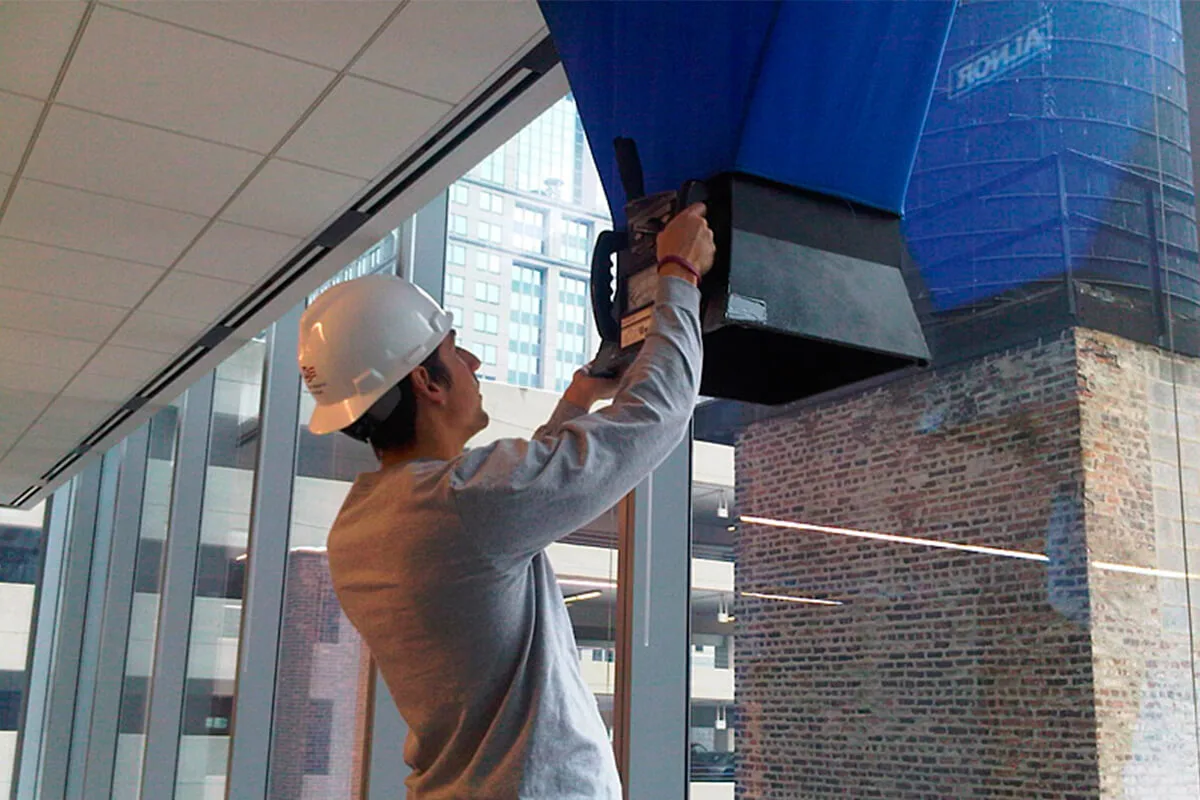
Air balancing in Denver has become an important part of maintaining comfortable, efficient, and healthy indoor spaces in both commercial buildings and homes. Many property owners think of heating and cooling only in terms of furnaces, air conditioners, heat pumps, thermostats, or ductwork. However, even a high-quality HVAC system can perform poorly if conditioned air is not being delivered evenly throughout the building. One room may feel too warm, another may stay cold, an office may feel stuffy, and a finished basement may never reach the same comfort level as the rest of the property. These problems are often not caused by the equipment alone. They are frequently connected to poor airflow distribution, duct restrictions, leakage, incorrect damper settings, undersized returns, blocked vents, pressure imbalance, or changes made during remodeling. Air balancing is the process of testing, adjusting, and verifying airflow so that each room or zone receives the right amount of supply and return air for comfort, performance, and efficiency.
What Air Balancing Means
Air balancing is the professional process of measuring and adjusting airflow through an HVAC system. A technician uses instruments to measure how much air is moving through supply registers, return grilles, branch ducts, diffusers, exhaust fans, and other system points. The goal is to compare actual airflow against the design needs of the building. If one room is receiving too much air while another receives too little, adjustments are made to dampers, registers, fan settings, controls, or duct components.
In simple terms, air balancing makes sure the HVAC system is not just producing heated or cooled air, but delivering it where it is needed. In homes, this may mean improving comfort in bedrooms, basements, upper floors, additions, nurseries, home offices, or rooms with large windows. In commercial buildings, it may involve balancing offices, conference rooms, kitchens, retail floors, medical spaces, server rooms, restrooms, lobbies, corridors, and shared tenant areas.
Air balancing is not the same as changing an air filter or opening a vent by hand. Those small steps may help in limited situations, but they do not provide a complete picture of system performance. True air balancing involves testing, documenting, adjusting, and verifying airflow with proper tools and methods.
Why Denver Buildings Often Need Air Balancing
Denver has many building types, and each one creates different airflow challenges. Historic homes may have older duct layouts designed for past heating demands rather than modern cooling needs. Mid-century homes may have long duct runs, small returns, or additions that were connected to the original HVAC system without proper design. Newer homes may have better insulation and tighter construction, but they still need correct airflow to avoid hot and cold spots.
Commercial buildings face even more complex issues. A restaurant has different airflow needs than a law office. A warehouse has different requirements than a dental clinic. A retail store with frequent door openings may need different adjustments than a high-rise office floor. Tenant improvements, wall relocations, new equipment, changed occupancy, or added workstations can all affect airflow. When a space is modified without rebalancing the system, comfort complaints often follow.
Denver’s dry climate also affects comfort perception. Low humidity can make indoor air feel cooler in winter and may contribute to discomfort when airflow is excessive or uneven. Strong sun exposure on south- and west-facing rooms can create heat gain that makes some spaces warmer than others. Multi-story homes and commercial buildings may also experience stack effect, where warm air rises and pressure differences affect air movement.
Common Signs of Poor Air Balance
Air balancing may be needed when a building has persistent comfort problems that do not improve after routine HVAC maintenance. One of the most common signs is uneven temperature. If one room is always hot while another is always cold, airflow may not be properly distributed. Another sign is weak airflow from certain vents, especially in rooms far from the furnace, air handler, or rooftop unit.
Other signs include:
- Rooms that feel stuffy even when the system is running
- Doors that slam or are difficult to open because of pressure differences
- Whistling registers or noisy ductwork
- Excessive dust movement through certain areas
- Short cycling of HVAC equipment
- High energy bills without a clear reason
- Cold basements and overheated upstairs rooms
- Office areas where employees regularly complain about comfort
- Restrooms, kitchens, or conference rooms with poor exhaust or ventilation performance
These symptoms do not always prove that air balancing is the only issue. Duct leaks, poor insulation, dirty coils, clogged filters, failing motors, thermostat placement, or equipment sizing may also play a role. However, airflow testing helps identify whether distribution is part of the problem.
Air Balancing for Homes
In residential properties, air balancing is often requested after homeowners notice uneven comfort. A typical Denver home may have a main floor that feels comfortable, upstairs bedrooms that overheat in summer, and a basement that stays cold all year. The thermostat reads one temperature, but the rooms feel completely different. This happens because the thermostat only measures the temperature near its location. It does not know whether each room is receiving the right airflow.
Residential air balancing may include measuring supply airflow at registers, checking return air capacity, inspecting dampers, reviewing duct layout, identifying blocked or crushed ducts, and confirming whether the blower is moving enough air. In some cases, simple damper adjustments can improve comfort. In other cases, the home may need duct sealing, added return air paths, insulation improvements, zoning upgrades, or duct modifications.
Home additions are a common reason air balancing becomes necessary. When a sunroom, finished basement, garage conversion, or second-story addition is connected to an existing HVAC system, the system may not automatically distribute air correctly. Without proper balancing, the new space may steal airflow from older rooms or remain uncomfortable itself.
Air balancing can also help households using modern technology. Home offices, media rooms, computer equipment, smart devices, and electric appliances can create heat loads that older duct designs did not anticipate. A room used for remote work all day may need better airflow than it needed when it was only a guest bedroom.
Air Balancing for Commercial Buildings
Commercial air balancing is often more detailed because buildings usually have multiple zones, larger equipment, code requirements, ventilation needs, exhaust systems, and more occupants. Offices, clinics, schools, restaurants, warehouses, gyms, and retail spaces all require controlled airflow to support comfort and indoor air quality.
In commercial settings, air balancing may be part of testing, adjusting, and balancing, often called TAB. This process verifies that HVAC systems are operating according to design intent. Technicians measure air volumes, fan performance, diffuser flow, outside air intake, exhaust rates, static pressure, and system controls. The findings may be documented in a balancing report for owners, engineers, property managers, or inspectors.
Commercial buildings may need air balancing after new construction, tenant finish work, equipment replacement, duct changes, occupancy changes, or repeated comfort complaints. For example, if a Denver office adds private rooms where open workstations once existed, airflow patterns can change dramatically. Conference rooms may become stuffy when occupied by several people, while open areas may receive too much air. A proper balancing process helps restore airflow based on actual use.
Restaurants and medical spaces have especially important airflow needs. Kitchens require exhaust and makeup air coordination. Medical offices may need careful ventilation, filtration, and pressure relationships. If airflow is not balanced, odors, contaminants, heat, or pressure problems can move into unwanted areas.
How Professional Air Balancing Is Performed
A professional air balancing process usually begins with a system review. The technician looks at equipment type, duct layout, zoning, registers, returns, dampers, filters, and controls. In commercial buildings, mechanical plans and design airflow values may be reviewed. In homes, the technician may rely on system inspection, room-by-room comfort concerns, and airflow measurements.
Next, airflow is measured using specialized tools such as flow hoods, anemometers, manometers, pressure gauges, and temperature meters. These tools help determine how much air is moving through each supply and return point. Static pressure readings may show whether the system is struggling because of duct restrictions, dirty filters, undersized ducts, or closed dampers.
After testing, adjustments are made. Dampers may be opened or closed, blower settings may be evaluated, registers may be adjusted, and airflow may be redistributed to match building needs. In some cases, the technician may recommend repairs before final balancing. For example, if a duct is disconnected, leaking heavily, or crushed, balancing alone will not solve the issue.
The final step is verification. Airflow is measured again to confirm that adjustments improved the system. For commercial buildings, a written report may include measured airflow values, design targets, equipment readings, deficiencies, and recommendations.
Energy Efficiency and Cost Control
Air balancing can support energy efficiency because an unbalanced system often works harder than necessary. When conditioned air is not delivered correctly, occupants tend to adjust thermostats aggressively. A homeowner may lower the air conditioning temperature because upstairs bedrooms are too warm, causing the main floor to become overcooled. An office manager may increase heat because one side of the building is cold, making other areas too warm. These thermostat changes waste energy and still may not solve the real problem.
Leaky or poorly connected ducts can also waste a significant amount of conditioned air before it reaches the living space. When airflow is measured and system problems are identified, owners can make smarter decisions about duct sealing, insulation, repairs, or equipment operation. Air balancing does not replace equipment maintenance, but it helps the system use its capacity more effectively.
For commercial buildings, balanced airflow can also reduce operational complaints. Fewer comfort issues may mean fewer service calls, less tenant frustration, and better use of facility staff time. In buildings with multiple tenants, balancing can help ensure that one area is not receiving more than its share of conditioned air while another area is underserved.
Indoor Air Quality and Occupant Comfort
Air balancing is closely connected to indoor air quality because ventilation depends on controlled air movement. If too little outdoor air enters a building, indoor pollutants may build up. If exhaust systems are not balanced, odors, moisture, or contaminants may remain indoors or move into adjacent spaces. In homes, poor return air pathways can create pressure problems that affect comfort and air circulation.
Balanced airflow helps distribute filtered and conditioned air more consistently. It can reduce stuffiness, improve temperature consistency, and support better ventilation performance. However, air balancing should be viewed as one part of a larger indoor air quality strategy. Filter selection, duct cleanliness, moisture control, ventilation rates, source control, and equipment maintenance all matter.
In Denver, where homes and buildings may be tightly sealed for energy efficiency, mechanical ventilation and proper airflow become even more important. A tight building can save energy, but it still needs enough controlled air exchange to support comfort and health.
When to Schedule Air Balancing
Property owners should consider air balancing after HVAC installation, major repairs, ductwork changes, remodeling, tenant improvements, or repeated comfort complaints. It is also useful when replacing a furnace, air conditioner, heat pump, air handler, rooftop unit, or zoning system. New equipment may not perform properly if the duct system is not distributing air correctly.
For commercial buildings, balancing should be considered during commissioning, after renovations, and whenever space use changes. A building that once served as open office space may need new airflow adjustments after becoming a medical office, restaurant, showroom, classroom, or multi-tenant space.
Homeowners may benefit from air balancing before extreme summer or winter weather arrives. Addressing airflow problems early can help avoid months of discomfort and unnecessary utility waste.
Final Thoughts
Air balancing in Denver is a valuable service for both commercial buildings and homes because comfort depends on more than heating and cooling equipment. It depends on how well air moves through the entire building. In a climate with cold winters, sunny summers, dry air, elevation effects, and changing building demands, balanced airflow can make a noticeable difference in comfort, efficiency, and indoor air quality. Whether the property is an older home, a remodeled office, a retail space, a restaurant, a clinic, a warehouse, or a new construction project, proper airflow testing and adjustment can reveal problems that thermostat changes alone cannot solve. By investing in professional air balancing, Denver property owners can help their HVAC systems perform more effectively, reduce comfort complaints, support healthier indoor spaces, and create a more reliable environment throughout the year.