Cost Analysis of Implementing Automated Material Handling Systems in Factories
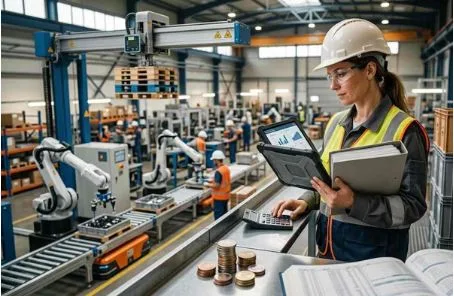
Automated Material Handling Systems (AMHS) have become a crucial part of modern manufacturing facilities aiming to improve efficiency, reduce manual labor, and optimize production flow. These systems include conveyors, automated guided vehicles, robotic arms, and storage/retrieval systems that collectively streamline the movement of materials within factories. While the benefits are widely recognized, the cost of implementing such systems is a significant consideration for businesses planning large-scale automation.
A proper cost analysis helps organizations understand not only the upfront investment but also the long-term financial commitments associated with automation. Factories must evaluate whether the operational savings and productivity gains justify the initial expenditure. This article provides a detailed breakdown of the costs involved in implementing automated systems and compares them with the long-term benefits.
Cost Study of System Implementation
1. Initial Investment
The initial investment is the largest financial requirement when implementing Automated Material Handling Systems. It includes the cost of planning, system design, and procurement of core machinery. Depending on the complexity of the factory layout, this phase may also involve site preparation and structural modifications.
Initial investment also varies based on the level of automation required. Fully automated systems with AI-driven controls and robotics demand significantly higher capital compared to semi-automated setups. Companies must align their investment with production needs and expected return on investment.
In many cases, businesses also need to invest in feasibility studies and pilot testing before full-scale deployment. These early-stage expenses, although often overlooked, play a crucial role in ensuring smooth implementation and minimizing long-term risks.
2. Equipment Costs
Equipment costs form a major portion of the total expenditure in automated material handling systems. These costs depend on the type, capacity, and sophistication of machinery selected for the factory.
Common equipment includes:
- Conveyor belts
- Automated guided vehicles (AGVs)
- Robotic arms
- Sortation machines
- Pallet handling systems
Each of these components has different pricing structures based on brand, technology, and load capacity. Robotic systems with advanced sensors and AI capabilities are significantly more expensive than conventional mechanical handling tools.
In large-scale operations, the integration of an Automated Storage and Retrieval System can greatly improve warehouse efficiency, though it also increases capital expenditure due to its advanced engineering and storage optimization capabilities.
Customization also plays a key role in determining final equipment costs. Factories with complex layouts or specialized production needs often require tailor-made systems, increasing overall expenditure.
3. Installation and Integration
Installation and integration costs are another critical factor in the overall budget. This phase involves setting up the equipment, configuring control systems, and ensuring smooth interaction between different machines.
Integration with existing factory systems, such as enterprise resource planning (ERP) software or warehouse management systems (WMS), can be technically complex. This often requires specialized engineers and consultants, adding to the total cost.
Delays in installation can also increase labor and operational expenses, especially if production needs to be temporarily halted. Therefore, proper planning and phased installation strategies are essential to minimize disruptions and additional costs.
4. Software and Technology Costs
Modern automated material handling systems rely heavily on advanced software solutions for coordination, monitoring, and optimization. These systems ensure real-time tracking and efficient control of all material movements within the factory.
Key software-related expenses include:
- Control system software
- Warehouse management systems
- AI and analytics platforms
- Licensing fees
- Cybersecurity tools
Software costs may also include subscription-based models, cloud integration, and periodic upgrades. As factories increasingly adopt Industry 4.0 technologies, these digital expenses continue to rise but offer significant operational advantages.
Moreover, customization of software to match specific production workflows can add additional development costs, making this a long-term investment rather than a one-time expense.
5. Labor and Training Costs
Although automation reduces manual labor in the long run, the initial phase requires significant investment in workforce training and specialized staffing. Employees must be trained to operate, monitor, and maintain automated systems effectively.
Training programs may include technical workshops, certification courses, and on-site instruction provided by equipment vendors. Hiring skilled engineers or automation specialists can also increase labor costs during the implementation phase.
Additionally, transitional labor costs may arise when companies operate both manual and automated systems simultaneously during the changeover period. This overlap can temporarily increase payroll expenses before full automation efficiency is achieved.
6. Maintenance and Operational Costs
Once the system is operational, ongoing maintenance and operational costs become a key financial consideration. These costs ensure that the equipment continues to function efficiently and avoids unexpected breakdowns.
Regular maintenance includes system inspections, part replacements, software updates, and calibration of machinery. Preventive maintenance is especially important to reduce downtime and extend equipment lifespan.
Operational costs may also include energy consumption, spare parts inventory, and technical support services. While automation reduces labor costs, these recurring expenses must be factored into long-term financial planning.
Long-Term Benefits vs Costs
Despite the high initial investment, automated material handling systems offer substantial long-term benefits that often outweigh the costs. Increased efficiency, reduced human error, and faster production cycles contribute to significant operational improvements.
Long-term advantages include:
- Higher production efficiency
- Reduced labor dependency
- Improved workplace safety
- Lower operational errors
- Faster inventory management
- Better resource utilization
Over time, these benefits translate into cost savings and higher profitability. Although maintenance and software upgrades continue to require investment, the overall return on investment tends to be favorable for most large-scale manufacturing facilities.
Companies that strategically implement automation often gain a competitive advantage in terms of speed, quality, and scalability. This makes automated systems not just a cost, but a long-term strategic asset.
STRATUS Automation: Economical Option
Stratus Automation Sdn. Bhd. offers cost-efficient automation solutions for factories looking to reduce investment pressure while improving operational efficiency. Its systems are designed to balance performance and affordability, making automation more accessible for small and medium manufacturing facilities.
The company focuses on modular and scalable designs that allow gradual implementation instead of large upfront spending. This approach helps reduce financial risk while still enabling factories to adopt advanced automated material handling systems over time.
Conclusion
The cost analysis of implementing automated material handling systems in factories reveals a complex but highly rewarding investment structure. While the initial expenses for equipment, software, installation, and training can be substantial, they are balanced by long-term operational savings and efficiency gains.
Factories must carefully evaluate both direct and indirect costs before implementation to ensure financial viability. With proper planning and strategic execution, automation can significantly enhance productivity, reduce operational risks, and deliver strong returns over time, making it a valuable investment in modern industrial environments.