Safety Guidelines for Handling Helium Gas in Malaysia
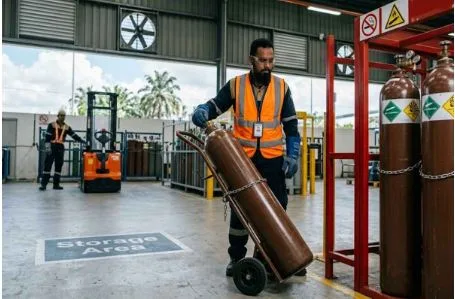
Helium is a critical industrial and medical gas widely used across laboratories, healthcare facilities, manufacturing plants, and entertainment sectors in Malaysia. Its inert and non-flammable properties make it relatively safe compared to other compressed gases, but it still requires careful handling to prevent hazards such as oxygen displacement and high-pressure accidents. In many industries, awareness of Helium Gas Malaysia safety standards is essential for protecting workers and maintaining operational efficiency.
Despite its stability, helium can become dangerous in poorly ventilated environments or when cylinders are mishandled. Because it is colorless and odorless, leaks are difficult to detect without proper monitoring equipment. This makes training, equipment inspection, and strict adherence to safety guidelines extremely important for all users handling helium in workplaces across Malaysia.
Storage Safety Measures
Proper storage is one of the most important aspects of handling helium safely in industrial and commercial environments. Cylinders must always be stored in designated areas that are cool, dry, and well-ventilated. Direct sunlight, heat sources, and flammable materials should be strictly avoided to maintain cylinder integrity.
To ensure safe storage:
- Keep cylinders upright
- Secure with chains or stands
- Store in ventilated areas
- Avoid heat exposure
- Separate full and empty cylinders
- Ensure proper labeling
In the context of Helium Gas Malaysia, storage facilities must also consider humidity and corrosion risks due to tropical climate conditions. Regular inspections are necessary to detect rust, leakage, or valve damage before they become serious hazards. Proper inventory management further ensures that cylinders are rotated and used efficiently without prolonged storage.
Safe Handling Practices
Helium is a compressed gas stored under high pressure, so careful handling is required to avoid accidents. Workers must be trained to manage cylinders correctly and avoid rough handling that may damage valves or regulators.
Workers should always follow these guidelines:
- Use proper lifting tools
- Avoid dropping cylinders
- Open valves slowly
- Do not modify fittings
- Check for leaks before use
- Wear protective gloves
Handling should always be done in an upright position, and cylinders must never be dragged or rolled horizontally. Proper communication among team members during handling also reduces risk of mishaps.
Equipment and Regulator Safety
Using the correct equipment is crucial when working with helium gas. Regulators, valves, hoses, and connectors must be compatible with helium cylinders to prevent leaks or pressure failures. Faulty or incorrect equipment can lead to dangerous gas release or system malfunction.
All equipment should be inspected before and after use. Regulators must be tightly fitted and never forced onto cylinder valves. Pressure gauges should be checked regularly to ensure accurate readings. Damaged or worn-out components should be replaced immediately rather than repaired in unsafe conditions.
In industrial settings in Malaysia, it is recommended to follow manufacturer guidelines and use certified gas handling equipment that meets international safety standards.
Ventilation and Workplace Safety
Helium is non-toxic but can displace oxygen in confined spaces, leading to suffocation risks. Therefore, proper ventilation is one of the most important safety requirements in workplaces where helium is used.
Work areas must have adequate airflow, especially in enclosed environments such as laboratories, hospitals, and manufacturing plants. Gas detectors may also be installed in high-risk zones to monitor oxygen levels.
Key workplace safety practices include:
- Ensure continuous airflow
- Install oxygen monitoring systems
- Avoid sealed working spaces
- Keep emergency exits clear
- Restrict unauthorized access
Employees should be trained to recognize symptoms of oxygen deficiency such as dizziness, shortness of breath, or confusion.
Emergency Response Procedures
Even with proper precautions, leaks or accidental releases can still occur. Quick response is essential to minimize danger and protect personnel. Since helium is invisible and odorless, detection often depends on pressure monitoring systems or sudden drops in cylinder levels.
In case of helium leakage:
- Evacuate area immediately
- Increase ventilation flow
- Shut valve if safe
- Avoid electrical sparks
- Use detection tools
- Report incident quickly
In the context of Helium Gas Malaysia, emergency preparedness training is essential in workplaces to ensure that employees know exactly how to react during incidents. Individuals exposed to low oxygen levels should be moved to fresh air immediately and given medical attention if symptoms persist.
Transportation Guidelines
Transporting helium cylinders requires strict safety procedures because of their high-pressure nature. Improper transport can result in valve damage, leakage, or accidents during movement.
Key transport safety measures include:
- Use cylinder caps
- Secure upright position
- Avoid vehicle overcrowding
- Use ventilated transport vehicles
- Prevent rolling during transit
- Follow road safety rules
In Malaysia, transportation of industrial gases should comply with local road safety regulations. Drivers and handlers must be trained in handling hazardous materials and aware of emergency protocols during transit.
Training and Compliance in Malaysia
Proper training is essential to ensure that all personnel handling helium understand its properties and associated risks. Workers must be educated on safe storage, handling techniques, emergency response, and equipment use. Regular refresher courses help maintain high safety standards in workplaces.
In Malaysia, compliance with occupational safety regulations is governed by the Department of Occupational Safety and Health (DOSH). Companies must ensure that all safety procedures align with national standards and industry best practices.
Within Helium Gas Malaysia, training programs play a key role in maintaining workplace safety culture. Employers must also conduct regular audits, maintain safety records, and ensure that employees consistently follow updated safety protocols to minimize risk.
Health and Environmental Considerations
Although helium is non-toxic and chemically inert, it poses indirect health risks due to oxygen displacement. Prolonged exposure in poorly ventilated spaces can lead to unconsciousness or, in severe cases, fatality. Therefore, awareness of environmental conditions is critical.
From an environmental perspective, helium is a finite resource extracted from natural gas reserves. Wastage should be minimized through proper handling and leak prevention. Efficient usage not only reduces costs but also contributes to resource conservation.
Workers should always prioritize safety by ensuring proper gas usage and avoiding unnecessary release into the atmosphere. Monitoring systems and maintenance practices can significantly reduce environmental impact.
Wellgas: The Right Choice
Wellgas Sdn. Bhd. is a trusted supplier of industrial gases in Malaysia, committed to delivering high-quality helium and other specialty gases with a strong focus on safety, reliability, and compliance. The company supports industries by ensuring that gas products meet strict quality standards and are supplied with proper handling guidance to reduce workplace risks.
With a strong emphasis on safety culture, Wellgas promotes best practices in gas storage, transportation, and usage, helping businesses maintain safe working environments. Their expertise in industrial gas solutions makes them a dependable partner for companies that require consistent and safe helium supply for medical, industrial, and commercial applications.
Conclusion
Safe handling of helium requires a combination of proper storage, trained personnel, reliable equipment, and strict safety procedures. Across industries, awareness of Helium Gas Malaysia safety standards helps reduce risks and ensures smooth operations.
By following correct handling practices, maintaining ventilation, and preparing for emergencies, organizations can significantly improve workplace safety. Continuous training and regulatory compliance further strengthen safety culture and ensure responsible use of helium in all sectors. In commercial and event applications such as Balloon Gas Malaysia, adherence to these guidelines is especially important to ensure public safety and safe usage of helium-based systems.