Green Coffee Bean Anatomy: The Science Behind Molecular Transformation and Roasting Performance
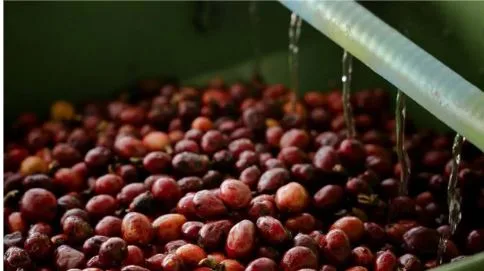
To the untrained eye, a green coffee bean looks like a small, dense, olive-colored seed. To specialty roasters and coffee scientists, however, it is a highly complex biological structure. Every batch of coffee contains a specific combination of physical structures and chemical compounds that heat will eventually unlock during roasting.
Understanding the relationship among a green coffee bean’s physical structure, chemical composition, and final roast profile is key to moving from basic roasting to masterfully shaping a coffee’s flavor.
The Physical Architecture of a Green Coffee Bean
The physical structure of a green coffee bean is built to protect its genetic material, resulting in a remarkably dense cellular network. A single coffee cherry typically contains two seeds, wrapped tightly in a protective silver skin (epidermis) and encased within a rigid endosperm matrix.
The cell wall structure is primarily made up of insoluble structural polysaccharides, specifically cellulose, mannan, and arabinogalactan, which account for roughly 50% of the bean’s dry weight. These dense cells trap moisture, typically between 10% and 12% in specialty-grade green beans, along with gases inside.
During the roasting process, this cellular structure acts like a miniature pressure cooker. As heat is applied, the internal water vaporizes, creating immense gas pressure that expands the cell walls. The rigidity and density of this physical structure directly dictate how efficiently heat transfers from the surface to the core, ultimately determining how a bean handles structural stress before it expands and reaches the “first crack.”
The Chemical Blueprint: What’s Inside the Seed?
While the physical structure provides the chamber, the raw chemical compounds within the green bean supply the fuel for flavor. The green coffee bean is packed with complex chemical precursors that undergo radical transformations under heat:
- Soluble Carbohydrates & Sucrose: Acting as the primary fuel for the Maillard reaction, sucrose breaks down into glucose and fructose, which are essential for developing sweetness, complex organic acids, and rich caramels.
- Chlorogenic Acids (CGA): Representing 6% to 12% of the bean’s makeup, CGAs are powerful antioxidants. During a roast, they degrade into quinic and caffeic acids, which provide the cup’s vital brightness, complexity, and crisp acidity.
- Alkaloids (Caffeine & Trigonelline): Caffeine stays stable during roasting, but trigonelline is much more sensitive to heat. It breaks down quickly, forming pyridines and alkylpyridines, which contribute important aromatic and bittersweet flavors.
- Lipids: Making up 8% to 18% of the bean, coffee oils act as carriers for volatile aroma compounds, ensuring that the beautiful fragrance reaches your cup rather than escaping into thin air.
What a roaster can do is limited to unlocking the potential already present in the raw seed. The balance of sugars, lipids, and structural density is determined long before the beans reach a roasting drum, shaped by microclimates, soil nutrition, and careful post-harvest handling.
If you are a roaster, cafe owner, or enthusiast looking to source pristine green beans engineered with optimal chemical composition and flawless physical structure, explore the sustainably grown, single-origin offerings available at Bali Origins.
Predictable Roasting Performance: Translating Science into Flavor
A bean’s roasting performance is the direct visual and chemical result of its composition meeting thermal energy. The roasting process is generally broken down into three critical phases where chemistry takes center stage:
1. The Drying Phase
The green bean acts endothermically, absorbing heat to drive off its internal moisture content. Beans with a more uniform, tightly knit cellular structure lose water evenly, ensuring the core heats at the same rate as the exterior shell.
2. The Maillard Reaction & Caramelization
Triggered around 150°C, amino acids and reducing sugars collide in the Maillard reaction, forming complex melanoidins that change the bean’s color from pale yellow to rich brown. As temperatures climb higher, pure sugar caramelization begins, adding layers of depth and body.
3. The Development Phase (First Crack and Beyond)
When internal pressure reaches its peak, the steam tears through the cellular walls with a loud, audible pop known as the first crack.
How the roaster manages airflow and heat at this stage shapes the final cup. Careful control helps keep the natural fruit clarity by preserving chlorogenic acids, while too much heat can lead to unwanted bitterness. By mastering these variables, coffee professionals can consistently transform raw, green seeds into an extraordinary sensory experience.