The Hidden Causes of Gum Recession and How Gum Tissue Grafting Corrects Them
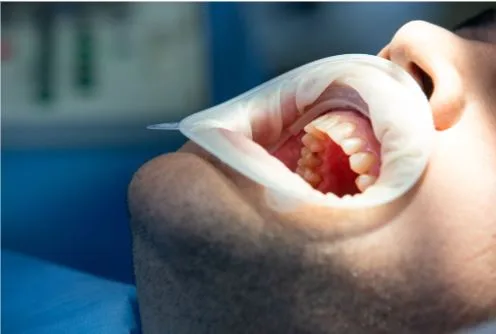
That sharp sting when you sip something cold is easy to brush off as nothing. But your gums may be telling you something worth paying attention to.
Gum recession develops gradually, and most people do not connect the early signs to anything serious. By the time a dentist confirms it, the tissue has usually been pulling back for months, sometimes years.
Understanding what drives recession matters just as much as treating it. And for cases where tissue has already been lost, gum tissue grafting is one of the most reliable ways to restore what is gone.
What Happens When Gums Recede
Gum tissue is meant to sit snugly around each tooth, protecting the root and the bone underneath. When that tissue pulls back, it exposes parts of the tooth that were never meant to be exposed.
This creates real problems. Exposed roots are softer than enamel, so they are more prone to decay. Gaps between the gum and the tooth become ideal hiding spots for bacteria. And sensitivity to hot, cold, and sweet foods often becomes a daily nuisance.
The Causes That Often Get Missed
Most people assume gum recession is simply about not brushing enough. The reality, however, is more complicated.
Brushing too hard is actually one of the most common culprits. Using too much pressure or a stiff-bristled brush gradually wears gum tissue away over time. A gentler technique is always wise.
Periodontal disease is another major driver. As bacteria build up below the gum line, they break down the tissue and bone that anchor gums in place. The gums retreat as the support underneath them disappears.
Beyond those two, several other factors contribute, like:
- Teeth grinding places repeated, excessive force on teeth and surrounding tissue. Over months and years, that pressure takes a toll on the gum line.
- Misaligned teeth or an uneven bite can create spots where pressure is concentrated, causing localized recession in specific areas.
- Hormonal shifts, particularly during pregnancy or menopause, can make gum tissue more sensitive and more vulnerable to pulling back.
- Tobacco use restricts blood flow to the gums and slows down the tissue’s ability to heal and maintain itself.
- Naturally thin gum tissue is also a factor. Some people simply have less gum volume to begin with, which makes them more susceptible regardless of their habits.
How Gum Tissue Grafting Corrects the Problem
Here is the difficult part about gum recession: once tissue is gone, it does not grow back. The body does not regenerate it on its own.
That is exactly where gum tissue grafting comes in. The procedure takes tissue, either from the roof of the mouth or from a donor source, and places it over the area where the gum has receded. The graft attaches to the surrounding tissue and, over time, becomes part of the gum line again.
The result is restored coverage over the exposed root, reduced sensitivity, and a stronger foundation for long-term gum health.
Patients who consult periodontal specialists in Rochester, MN generally start with a full evaluation to understand how far the recession has progressed and what caused it in the first place. That second part matters. Grafting fixes the damage, but identifying the original cause is what prevents it from recurring.
Which Type of Graft is Used
The specific technique depends on the individual case. Three approaches are commonly used:
- A connective tissue graft takes tissue from just beneath the surface of the palate. It is the most widely used method and works well for covering exposed roots.
- A free gingival graft takes tissue directly from the surface of the palate. This is often the better option for patients who have naturally thin gum tissue and need to add volume.
- A pedicle graft borrows tissue from healthy gum right next to the affected tooth. It works best when there is enough existing tissue nearby to work with.
Each approach has the same goal: Rebuild what was lost and protect what remains.
What to Expect After the Procedure
Recovery is generally manageable. Some soreness and mild swelling in the first few days is normal. Most patients stick to soft foods, avoid the surgical area while brushing, and rinse gently until the site heals.
Within two to four weeks, the grafted tissue usually integrates with the surrounding gums. The full result becomes visible over the following months as the tissue settles and firms up.
Preventing Recession from Coming Back
A graft restores the tissue. Changing certain habits keeps it there.
Switching to a soft-bristled brush, using lighter pressure when brushing, wearing a night guard if grinding is an issue, and keeping up with periodontal maintenance appointments all support long-term stability.
The goal is not just to repair the damage once. It is to make sure the conditions that caused it no longer have the same opportunity.