Moisturizer for Aging Skin: What Changes as Skin Matures
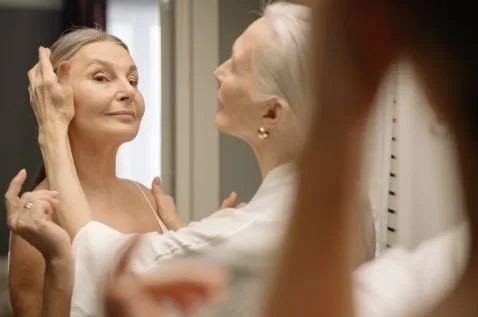
Getting older brings plenty of wisdom, great memories, and, naturally, changes to our bodies. One of the most visible shifts happens right on our faces. You might wake up one day and notice that your usual go-to skincare routine just isn’t cutting it anymore. Your skin might feel a bit drier, look a little duller, or show fine lines that weren’t there a few years ago.
This happens because our skin chemistry changes over time. When we are young, our skin produces plenty of natural oils, collagen, and elastin. These are the building blocks that keep our skin bouncy, plump, and smooth. As the years tick by, our bodies slow down the production of these essential elements. The skin’s natural cell turnover cycle also gets sluggish, meaning dead skin cells hang around longer on the surface.
Understanding these shifts is the first step to choosing the right moisturizer for aging skin. It is not about fighting nature; it is about giving your skin exactly what it needs to thrive in this new chapter. Let’s dive into how you can adapt your routine to keep your complexion glowing, healthy, and beautifully hydrated.
Moisturizer for Mature Skin: Key Ingredients to Look For
When shopping for a moisturizer for mature skin, reading the ingredient label can feel like trying to crack a secret code. There are thousands of products out there, but you don’t need magic to see results – you need science-backed ingredients. Mature skin requires ingredients that do more than sit on the surface; it needs components that repair, rebuild, and deeply hydrate.
To make your search easier, keep an eye out for these powerhouse ingredients that target the specific needs of changing skin:
- Hyaluronic Acid: This molecule is a moisture magnet. It draws water from the environment into your skin, instantly plumping up fine lines and making your face look fresh and dewy.
- Retinol and Retinoids: Derived from Vitamin A, these ingredients speed up cell turnover. They help fade dark spots, smooth out rough skin texture, and boost collagen production over time.
- Peptides: Think of peptides as tiny messengers. They signal your skin to produce more collagen, which helps improve firmness and elasticity, giving your face a firmer appearance.
- Ceramides: These are natural lipids that form your skin’s protective barrier. Adding them back through your moisturizer helps lock in moisture and protects against environmental damage.
- Niacinamide (Vitamin B3): A fantastic all-rounder that reduces redness, calms inflammation, minimizes the appearance of large pores, and evens out skin tone.
By choosing a daily formula packed with these nutrients, you are giving your skin the tools it needs to regenerate and stay resilient against the signs of time.
Anti-Aging Moisturizer with SPF: Protection and Correction in One Step
If dermatologists agree on one thing, it is this: sun protection is the ultimate youth elixir. Up to 80% of the visible signs of aging – like deep wrinkles, dark sunspots, and loss of elasticity – come from ultraviolet (UV) rays. That is why finding a high-quality anti-aging moisturizer with SPF is the smartest move you can make for your morning routine.
Using a combined product simplifies your life while providing double duty. It corrects existing damage with nourishing ingredients while simultaneously shielding your skin from future harm. If you want to keep your skin looking radiant, check out the options at Foreverbloom, where you can find advanced formulations designed to protect your cellular health.
When integrating sun protection into your daily moisturizing routine, look for these key features:
- Broad-Spectrum Protection: This ensures your skin is shielded from both UVA rays (which cause premature aging) and UVB rays (which cause sunburns).
- SPF 30 or Higher: For daily wear, SPF 30 is the gold standard recommended by experts for blocking about 97% of harmful UV rays.
- Antioxidant Boosters: Ingredients like Vitamin C, Vitamin E, or Green Tea extract work beautifully alongside sunscreen to neutralize free radicals caused by pollution.
- Non-Greasy Textures: Modern sunscreens are no longer thick and chalky. Look for lightweight lotions that melt into the skin and sit well under your daily makeup.
Anti-Aging Moisturizer for Oily Skin: Lightweight Options That Work
There is a common myth that oily skin doesn’t age, or that people with oily complexions don’t need to moisturize. While it is true that natural oils (sebum) can keep fine lines at bay for a little longer, oily skin still undergoes structural changes as it matures. The skin continues to lose collagen and elastin, which can make pores appear larger and the skin slacken.
The challenge is finding an anti-aging moisturizer for oily skin that provides essential nutrients without clogging pores or leaving you looking like a shiny mess by noon. You want to focus on hydration (adding water to the skin) rather than heavy oil (adding lipid weight).
Here are the specific characteristics to look for when you have an oily or combination mature skin type:
- Gel-Cream Textures: These water-based formulas absorb instantly into the skin, delivering active ingredients deeply without leaving a heavy film on the surface.
- Non-Comedogenic Labels: This is a crucial term to look for on packaging, as it guarantees the product has been tested and proven not to clog your pores.
- Salicylic Acid (BHA): Some mature oily skin moisturizers include gentle BHAs to keep pores clear, control excess oil, and gently exfoliate dead skin cells.
- Matte Finishes: Formulas containing silica or specialized starches help absorb excess sebum throughout the day, giving you a smooth, velvety complexion.
Moisturizer for Aging Sensitive Skin: Calming Formulas Without Irritation
As skin matures, its natural barrier becomes thinner and more fragile. This means that even if you never had sensitive skin in your youth, you might suddenly find your skin reacting to products with redness, itching, or burning. Finding a moisturizer for aging sensitive skin requires a gentle touch and a “less is more” approach to ingredient lists.
The goal here is to soothe irritation and rebuild the skin’s defense systems while gently addressing signs of aging. You want to avoid harsh synthetic fragrances, drying alcohols, and overly aggressive acids that can strip your skin and leave it vulnerable.
When shopping for sensitive mature skin, prioritize products that feature these soothing and protective elements:
- Fragrance-Free Formulas: Synthetic perfumes are the number one cause of skincare allergies and irritation, so going completely scent-free is a must.
- Colloidal Oatmeal and Allantoin: These natural, time-tested ingredients are famous for calming redness, reducing itchiness, and soothing stressed skin.
- Centella Asiatica (Cica): A beloved botanical ingredient that speeds up skin healing, reduces inflammation, and strengthens the skin’s surface barrier.
- Gentle Retinol Alternatives: If traditional retinol causes too much redness, look for Bakuchiol – a plant-based alternative that offers the same smoothing benefits without irritation.
Moisturizer for Dry Aging Skin: Rich Hydration to Restore Barrier
For many people, dryness is the most noticeable symptom of maturing skin. As estrogen levels drop and oil glands become less active, the skin can lose its ability to retain moisture. This leads to a tight, uncomfortable feeling, flakiness, and a dull complexion that accentuates the appearance of wrinkles. A rich, deeply nourishing moisturizer for dry, aging skin is essential for restoring comfort and a healthy glow.
Dry mature skin needs a heavy-duty combination of humectants to draw water in, and emollients and occlusives to trap that water so it cannot evaporate into the dry air around you.
To bring life back to very dry, mature skin, look for thick, luxurious creams that contain these deeply nourishing elements:
- Plant Oils and Butters: Ingredients like Shea Butter, Jojoba Oil, and Argan Oil mimic the skin’s natural sebum, providing intense comfort and a smooth texture.
- Squalane: A highly stable oil that absorbs quickly without feeling greasy, providing superb elasticity and softening dry patches.
- Glycerin: A classic, incredibly reliable humectant that pulls moisture into the deeper layers of the skin, keeping it hydrated for hours.
- Fatty Acids: These lipid molecules fill in the gaps between damaged skin cells, smoothing out the surface and creating a strong, healthy moisture barrier.
Do not forget to extend your skincare products down to your neck and the back of your hands. These areas have very thin skin and are often the first to show signs of sun damage and aging, yet they are frequently forgotten in daily routines.