The Evolution and Impact of Personal Audio Devices
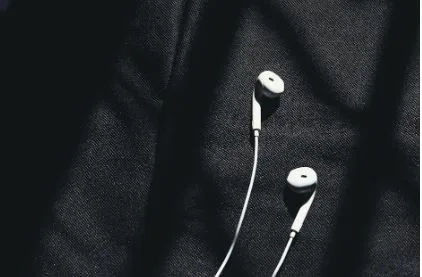
The ubiquitous nature of personal audio devices in today’s fast-paced world has made them an essential part of daily life. From bustling urban centres to serene countryside walks, individuals are rarely seen without a pair of earphones nestled in their ears. The modern iteration of earphones offers not just portability but also exceptional sound quality, noise isolation, and the convenience of wireless technology, each of which revolutionises how we experience audio.
Historical Development
The journey of earphones began at the end of the 19th century when the electrophone system allowed users to listen to live music performances. What started as a bulky contraption has evolved over the decades to become a compact companion for music lovers and professional audiophiles alike. The technological advances during the mid-20th century facilitated the emergence of transistor radios and portable cassette players, paving the way for the miniaturisation of audio devices that we witness today. The introduction of the Walkman in the late 20th century was a turning point that shifted consumer preferences towards personal audio experiences, resulting in the earphones we use daily.
Technological Advancements
With the inception of digital audio and the rise of smartphone usage, earphones have undergone dramatic transformations in design and functionality. Companies have focused on incorporating high-fidelity sound reproduction in compact devices, enhancing bass, mid-range, and high-frequency response to deliver an immersive auditory experience. The advent of wireless technology, particularly Bluetooth, has further added to the convenience by eliminating tangled wires and providing seamless connectivity with multiple devices. These innovations have not only changed how we consume audio content but also facilitated the integration of voice assistants, allowing users to interact with their devices hands-free.
Health Implications
While the convenience and quality of earphones have improved, there is an ongoing discourse on their impact on auditory health. Prolonged use at high volume levels is associated with potential hearing loss, prompting manufacturers to implement safety measures such as volume limiting and active noise cancellation to create safer listening environments. Noise-cancelling features are particularly relevant in today’s world, where urban noise pollution is a significant concern. By reducing the need to increase playback volume in noisy surroundings, these devices can help mitigate the risk of hearing damage. Nonetheless, responsible usage and adherence to recommended volume levels remain crucial.
Cultural and Social Influences
The personalisation of audio consumption has led to significant cultural shifts, representing a departure from shared listening experiences like communal radio sessions or boom boxes. Earphones have become a symbol of individualism, allowing users to curate their soundscape, whether commuting on public transport or taking a solitary walk. This signifies an era where personal audio devices function as both a tool for introspection and a barrier to external social interactions, reflecting contemporary societal trends.
Moreover, earphones have empowered content creators by enabling the creation, editing, and consumption of content on the go. The podcast and audiobook industries have particularly benefited from this, with more people engaging in auditory learning and entertainment than ever before. This adaptability has expanded the horizons for multimedia storytelling, encouraging diverse content that spans cultures, languages, and interests.
Design and Ergonomics
The design of earphones balances aesthetics with functionality, catering to various consumer preferences and ergonomic considerations. Manufacturers offer a plethora of options, from in-ear buds boasting minimalist designs to over-ear models prioritising comfort and sound isolation. Material choices, weight distribution, and the inclusion of interchangeable ear tips all contribute significantly to user comfort, catering to long listening sessions without causing discomfort or fatigue. Waterproof and sweat-resistant models also meet the demands of fitness enthusiasts who incorporate music into their workout routines.
Sustainability is increasingly becoming a focal point in the design process. Eco-friendly materials and durable components are being prioritised to reduce the environmental impact of disposable electronics. This shift towards sustainable manufacturing reflects a broader industry acknowledgement of environmental responsibility, aligning with consumer expectations for sustainable consumption.
Market Trends and Future Directions
The earphones market is expected to continue expanding as technology evolves and consumer demands shift. Key trends shaping the future include the integration of Artificial Intelligence (AI) and advanced sensor technology to offer adaptive audio experiences tailored to individual preferences and environments. AI-driven algorithms can assess ambient noise and user activity to optimise audio settings dynamically, enhancing user experience further. Additionally, the exploration of virtual and augmented reality applications with spatial audio capabilities hints at a new frontier for immersive soundscapes beyond conventional stereo output.
High-resolution audio support is another anticipated trend, catering to the audiophile market segment that values superior audio performance. Despite the digital era’s constraints, there is a growing demand for lossless audio codecs in personal audio equipment, aiming to replicate studio-quality sound reproduction. This trend is likely to drive innovation in both hardware and software components of earphones, fostering advancements in driver technology and digital signal processing.
User Experience and Customisation
The personalised audio experience extends beyond just sound quality to include customisable user interfaces and control mechanisms. Many modern earphones feature touch-sensitive surfaces, voice command capabilities, and companion apps, allowing users to tailor device functionalities to their needs. This bespoke approach in personal audio devices is indicative of a broader consumer desire for technology that seamlessly integrates with individual lifestyles.
Customisation encompasses not only functional aspects but aesthetic elements as well. Brands are increasingly offering earphones in a variety of colours and finishes to appeal to style-conscious consumers. This intersection of fashion and technology reflects the ubiquitous nature of earphones as both a utilitarian device and a personal accessory, resonating with consumers’ desire for products that align with their personal identities.
As the industry continues to innovate, the role of earphones as a pivotal tool for personalised audio experiences is set to expand, reflecting ongoing advancements in technology, design, and consumer preferences. The personal audio landscape thus stands on the brink of further transformative changes, promising exciting developments in the way individuals interact with sound.