7 Reasons Texas Car Accident Settlements Get Delayed
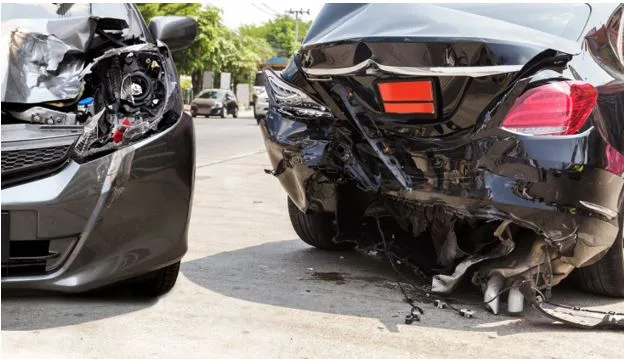
If your Texas car accident settlement feels stuck, the delay almost always traces to one of a few predictable causes, and most of them can be managed once you understand them.
Houston car accident lawyers at Sutliff & Stout, a firm known for fast, aggressive claim handling and pushing insurers toward fair resolution, see the same bottlenecks repeat across thousands of claims.
A delay is rarely random. It usually means a specific issue is unresolved, whether a fault dispute, an open investigation, or an insurer testing your patience. The Texas Department of Transportation recorded about 66,000 crashes in Houston in 2024, and the resulting claim volume means adjusters move slowest on the files that give them reasons to wait.
This guide explains the 7 most common reasons Texas settlements get delayed, what each one means for your claim, and how to keep things moving. Knowing why a claim has stalled is the first step to unsticking it.
1. Liability Disputes
A liability dispute is the most common reason a settlement stalls. When the insurer disagrees about who caused the crash, the claim cannot be resolved until fault is established, and that process involves gathering evidence, reviewing the police report, and sometimes hiring experts. The more the insurer contests fault, the longer the claim takes, because every disputed point requires proof.
Strong evidence shortens these disputes. A clear police report, scene photos, dashcam footage, and witness statements leave the insurer little room to argue, while a thin file invites months of back and forth. From an insurance adjuster perspective, a disputed liability claim with weak documentation is one to slow down and discount, while one backed by solid proof moves toward resolution faster because the argument is already lost.
2. Insurance Investigations
Insurance investigations add time because the carrier reviews the crash, the injuries, and your history before committing to a number. Some investigation is legitimate, since insurers must verify claims, but investigation also serves as a tool to delay payment and search for reasons to reduce it. A broad medical authorization, for example, lets the insurer comb through years of records for any pre-existing condition to blame.
The length of an investigation often reflects the claim’s size and the insurer’s appetite to fight. Larger claims draw more scrutiny, and serious injury cases invite deeper review. Routing communication through counsel and limiting authorizations to relevant records keeps an investigation from expanding endlessly. In claims handling, an investigation continues as long as it produces useful leverage, which is why organized, well-documented claims close the investigation phase faster.
3. Comparative Negligence Arguments
Comparative negligence arguments slow settlements because Texas reduces recovery by the injured person’s percentage of fault and bars recovery entirely above 50 percent. This rule, called proportionate responsibility, gives insurers a financial incentive to argue you share blame, since every percentage point assigned to you lowers what they pay. Those arguments take time to raise, support, and counter.
The stakes make these disputes worth fighting carefully. An insurer claiming you were 30 percent at fault is trying to cut nearly a third from your recovery, and rebutting that requires evidence about both drivers’ conduct. The courtroom sees proportionate responsibility as decided on facts rather than assertions, so the claims that resolve fault disputes fastest are the ones where the evidence clearly places blame, leaving little to negotiate.
4. Medical Treatment Gaps
Medical treatment gaps delay settlements in two ways. First, a claim usually cannot be valued until treatment ends or your future care is professionally projected, since settling earlier means guessing at costs. Second, gaps in treatment give insurers an argument that you recovered or that the injury was minor, which triggers disputes that take months to resolve.
The treatment timeline often controls the entire calendar. A driver still treated at month 8 cannot fairly settle until doctors establish the lasting effects, and rushing that process sacrifices value. Investing in proper medical documentation and attending every appointment keeps the claim on track. Treating physician notes that consistent care produces both better recovery and a cleaner record, while gaps create exactly the ambiguity insurers use to justify waiting.
5. Demand Letter Review
The demand letter stage adds time because preparing it well takes effort and reviewing it takes the insurer longer still. A demand letter states what the claim is worth and supports that figure with medical records, bills, wage documentation, and a liability summary. A thorough demand takes time to assemble, but a thorough demand also moves faster through review because it answers the insurer’s questions in advance.
After a demand arrives, Texas insurers operate under the Texas Prompt Payment of Claims Act, which requires acknowledging a claim within 15 days and responding within set periods. Those deadlines limit silent stalling, though they do not force a fair number. A complete, well-organized demand reaches the top of the pile, while a vague one sits at the bottom, so the quality of the demand directly affects how fast the response comes.
6. Recorded Statements and Disputed Facts
Recorded statements and disputed facts create delays when the insurer uses early statements to manufacture contradictions. A recorded statement taken in the first week, before injuries fully appear, can conflict with later medical findings, and resolving that apparent conflict consumes time. Disputed facts about speed, signals, or sequence of events similarly require evidence to settle.
Avoiding these traps early prevents the delay entirely. Declining recorded statements to the other driver’s insurer and routing communication through counsel keeps the record clean, which means fewer manufactured disputes to resolve later. Legal professionals note that any delays are self-inflicted through early mistakes, and the claims that move smoothly are often the ones where the injured person said little and documented much from the start.
7. Police Reports and Expert Witnesses
Police reports and expert witnesses affect timing because both take time to produce and both carry weight once available. A Houston police report is usually accessible within 10 days, but waiting for a corrected or supplemental report can add time, and the report’s contents shape the entire liability analysis. Expert witnesses, needed in serious or disputed cases, require time to retain, brief, and obtain opinions from.
These elements add time but also add leverage. A favorable police report and credible expert testimony strengthen a claim enough to overcome insurer resistance, which can shorten the negotiation that follows. The upfront time spent securing reports and experts often pays back later, because a well-supported claim settles closer to full value with less argument.
How to Keep Your Texas Settlement Moving
Most delays respond to the same remedies. Get consistent medical care and attend every appointment, preserve evidence quickly before it disappears, decline recorded statements to opposing insurers, and respond promptly to your own side’s document requests, since client delays quietly add weeks to many claims.
A firm focused on aggressive, trial-ready handling also signals to insurers that stalling carries a cost, which moves negotiations along. The internal cluster of questions injured people ask next usually includes how long a Texas settlement takes overall, what happens after a demand letter, and whether you can sue when insurance refuses to pay.
Texas law gives you 2 years from the crash date to file suit, and a willingness to use that right is often what finally breaks a stalled claim loose. From an injured client’s perspective, a delay is not a dead end but a signal, and reading that signal correctly is how you get the claim moving toward fair resolution.