Marble Backsplash vs Quartz Backsplash: Which Option Fits Your Style?
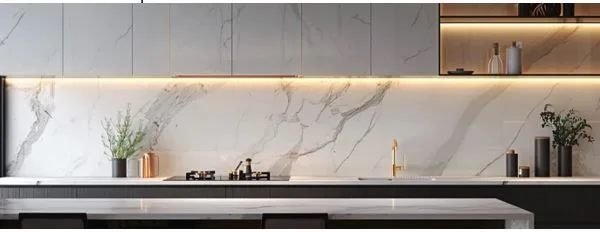
Choosing the right backsplash for your kitchen is more than just a design decision; it’s about finding a surface that aligns with your personal style and functional needs. With options like marble and quartz available, homeowners often face a dilemma when deciding which material best suits their space. In this article, we’ll explore the unique qualities of marble and quartz backsplashes, compare their aesthetics, and consider the cost and maintenance involved to help you make an informed decision.
Marble Backsplash: A Timeless Classic for Your Kitchen
Marble Backsplashes have long been cherished in home improvement and interior design for their timeless appeal and natural beauty. This elegant stone is synonymous with luxury and sophistication, often used in high-end kitchens to create a stunning focal point. The natural veining of marble, which varies from slab to slab, provides a unique and personalized touch to every installation. This characteristic aligns with the design intent of creating bespoke spaces that reflect individual tastes and preferences.
Besides its aesthetic value, marble is known for its ability to withstand heat, making it an ideal choice for kitchens where cooking is frequent. However, homeowners should be aware of the need for regular maintenance due to marble’s porous nature, which makes it susceptible to staining and etching. Sealants can help protect the surface, but routine care is essential.
For those interested in incorporating this classic material into their kitchen, exploring a Marble Backsplash collection can provide inspiration and guidance on available options and styles.
Quartz Backsplash: Modern Elegance and Durability
Quartz backsplashes offer a blend of contemporary elegance and impressive durability, making them a popular choice in modern kitchen designs. Unlike natural stone, quartz is engineered using a mix of natural quartz crystals and resins, resulting in a non-porous and highly resilient surface. This composition makes quartz resistant to stains, scratches, and heat, reducing the need for extensive maintenance.
The versatility of quartz allows for a wide range of colors and patterns, including designs that mimic the appearance of natural stones like marble. This flexibility in design is especially advantageous in space planning, where matching the backsplash with other elements like cabinetry and countertops is crucial for a cohesive aesthetic.
Incorporating quartz into your kitchen can also contribute to achieving environmental goals, as many quartz products meet LEED Certification standards for sustainability. This aspect appeals to eco-conscious homeowners looking to make environmentally responsible choices in their home improvement projects.
Comparing Aesthetics: Marble vs Quartz in Home Design
When it comes to aesthetics, both marble and quartz offer distinct advantages that cater to different design preferences. Marble’s natural veining and rich textures provide a classic appeal that is difficult to replicate, often featured in mood boards that emphasize traditional and luxurious styles. Its timeless beauty suits traditional and transitional kitchen designs perfectly.
Quartz, on the other hand, offers a sleek and uniform appearance that fits well with modern and minimalist aesthetics. The ability to customize quartz to match any color scheme or pattern allows for greater flexibility in design, enabling homeowners to achieve a specific look without compromising on durability.
Incorporating a blend of both materials can also be an effective strategy in home design, using marble’s elegance to create focal points while leveraging quartz’s durability for high-traffic areas. This approach aligns with the emerging trend of eclectic design, where mixing materials enhances visual interest and functionality.
Cost and Maintenance Considerations for Backsplash Choices
Cost is a significant factor when selecting a backsplash material, with marble generally falling on the higher end of the price spectrum. The investment in marble can be justified by its timeless beauty and the added value it brings to a home. However, it’s crucial to consider the ongoing maintenance costs due to its sensitivity to stains and scratches.
Quartz, while often more affordable than marble, offers a cost-effective solution with lower maintenance requirements. Its non-porous nature minimizes the risk of damage, reducing the need for regular upkeep and protective sealants. This characteristic makes quartz a practical choice for busy households where ease of maintenance is a priority.
Ultimately, the choice between marble and quartz should be guided by both budgetary constraints and lifestyle needs. Homeowners may also consult as-built drawings and spec sheets to ensure their chosen material aligns with the overall design plan and structural requirements of their kitchen.
Conclusion
Selecting between a marble or quartz backsplash comes down to personal style, functional priorities, and budget. Marble offers unmatched elegance and a classic feel, while quartz provides modern versatility and ease of maintenance. Both options have their unique merits, and understanding these can help homeowners make a decision that enhances their kitchen’s aesthetic and functionality.