How Long Do Flat Roofs Last? Lifespan by Material
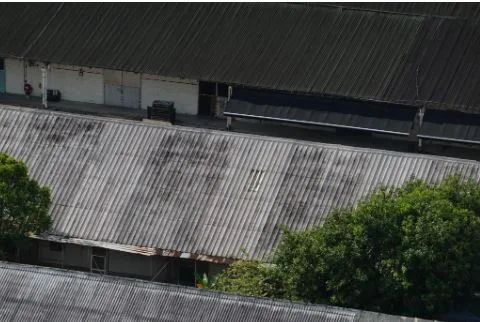
If you have a commercial property or a private house with a low slope, then you have to be extra careful. Here is why. Flat roofs are more likely to leak than sloped roofs. So, take note of your flat roof’s lifespan. And while you do so, be sure to also consider the flat roof life expectancy because it can help you plan for frequent maintenance, set money aside for sudden repairs, and avoid any last-minute surprises.
When you have decided to fix a new roof or maintain your old one, do well to speak to flat roofing contractors like RoofWorx, and they can tell you everything you need to know and what to expect from the material of your choice to the weather in your area.
What Is the Average Lifespan of a Flat Roof?
A standard flat roof can last 10 to 30 years. But this varies depending on the type of material used for the construction and installation. The professionalism of the installation is another big factor in how long it will last. To increase the lifespan, it is good to get the roof inspected every now and then so that the necessary repairs are done early, before more damage is created.
How Long Each Flat Roof Material Holds Up
Not all flat roofing materials age the same way:
- EPDM rubber membrane can last up to 20 to 25 years.
- TPO can last up to 15 to 25 years.
- BUR is one of the older systems still in use today. A well-installed BUR system can easily hit the 20 to 30-year mark.
- Modified Bitumen usually lasts 15 to 20 years. It was built for weather that can’t make up its mind, hot summers, cold winters, it holds up through both.
- PVC Membrane can last for 20 to 30 years. It resists chemicals and punctures well. This one is common in commercial buildings.
Why Some Flat Roofs Last Decades and Others Don’t?
Material choice only gets you so far. These other things matter just as much:
- Poor installation can make a good material fail early.
- Too much heavy rain, sun, and temperature changes can cause a roof to spoil fast.
- People walking on the roof frequently can also cause small holes and surface damage.
- A roof that holds water for too long will break down sooner than one with good drainage.
- Roofs that get regular checkups and quick repairs last longer than those that don’t get regular checkups.
Warning Signs Your Flat Roof Is Nearing the End of Its Lifespan
In order to for you to spot problems early, you must watch out for the following:
- Stagnant water on the roof for more than 48 hours after rain
- Cracks and bubbles on the surface can mean problems
- Seams or edges pulling away from walls or drains
- Water stains on the ceiling inside the building
- Energy bills are going up without any reason
A roof that’s 15 years or older with multiple problems showing up at once is telling you something. Patching it again is just delaying the real conversation. At some point, a full flat roof replacement is the smarter spend. Better to have an honest conversation with a contractor now than deal with a full emergency later.
Simple Habits That Add Years to a Flat Roof
Good habits can help. Get the roof examined at least two times a year. Keep your drains clear, ensure you fix small cracks before they spread, check the flashing around vents and HVAC units after heavy rain, and put on a reflective coating to cut down on heat damage.
According to Forbes, regular upkeep is one of the best investments a commercial property owner can make. It stretches the roof’s life and keeps the total costs low.
Repair or Replace? How to Decide
Follow this simple rule: If your annual repair bills are getting up to 25 to 30 percent of what a full replacement might cost, it’s time to replace the whole roof. A 10-year-old roof with a tiny leak is worth fixing. A 22-year-old roof with leaks coming back every few months is a different situation.
The National Roofing Contractors Association recommends a professional assessment before making this judgment, saying “surface condition alone does not show what is happening underneath.”
Which Flat Roofing Material Lasts the Longest?
BUR and PVC membranes tend to last the longest. The two can carry up to 20 to 30 years or more when installed and looked after properly. For most Bay Area commercial buildings, the right pick comes down to how the building is managed, what the budget looks like, and how much upkeep is realistic to manage.
Conclusion
Knowing the lifespan of your flat roof by material puts you ahead of the game when it comes to planning and budgeting. EPDM, TPO, BUR or other competent installation and frequent maintenance go a long way. When a flat roof replacement becomes necessary, early action always costs less than waiting for things to get worse.
RoofWorx has worked with property owners all over San Francisco and the Bay Area on flat roofs of all kinds. If you genuinely don’t know what condition your roof is in right now, that’s reason enough to call. An inspection gives you real answers instead of guesswork.