What Eyewitnesses Can Do for Your Marysville Car Accident Claim
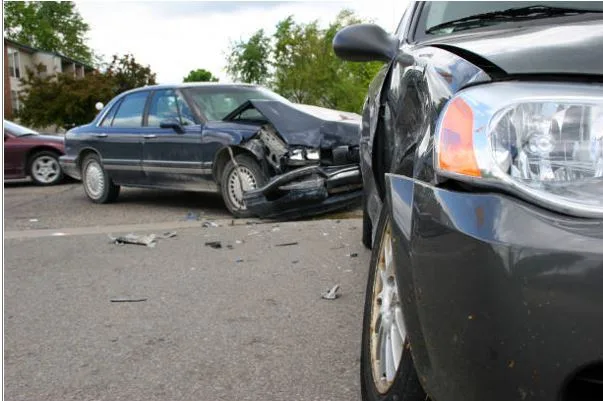
Eyewitnesses can play an important role in a Marysville car accident claim by providing independent accounts of how the crash occurred. Their statements may help establish fault, support a victim’s version of events, and strengthen the evidence used during insurance negotiations or legal proceedings.
Marysville is a growing community that experiences daily traffic from residents, commuters, and visitors. Like many cities, its roads can become busy during peak travel hours, increasing the likelihood of traffic accidents. Whether a collision occurs at an intersection, on a neighborhood street, or along a major roadway, determining exactly what happened is often one of the most important parts of a claim.
For this reason, many injured individuals speak with a Marysville car accident lawyer to understand how available evidence, including eyewitness testimony, may affect their case. While photographs, vehicle damage, and police reports can provide valuable information, eyewitnesses often offer a unique perspective. Because they are not directly involved in the accident, their observations may be viewed as more neutral and credible when questions about fault arise.
Why Eyewitnesses Matter
After a car accident, drivers sometimes provide conflicting accounts of what happened. One driver may claim they had the right of way, while the other insists otherwise.
An eyewitness who observed the collision can help clarify disputed facts. Their observations may include traffic signal changes, vehicle speeds, lane positions, driver behavior, and other details that occurred immediately before the crash.
These details can become especially important when there is little physical evidence available or when the parties disagree about how the accident happened.
Eyewitnesses Can Help Establish Fault
Fault is a central issue in most car accident claims. Insurance companies and courts often evaluate all available evidence to determine who was responsible for causing the collision.
An eyewitness may have seen a driver run a red light, fail to yield, make an unsafe lane change, or engage in distracted driving. Their testimony can help support allegations that a driver acted negligently.
Because eyewitnesses are generally independent third parties, their statements may carry significant weight during the claims process.
Supporting Police Investigations
Law enforcement officers often speak with witnesses while investigating an accident scene.
The information provided by eyewitnesses may be included in the police report and can help officers develop a clearer understanding of how the collision occurred. In some cases, witness statements may influence whether citations are issued or whether additional investigation is necessary.
Although police reports are only one piece of evidence, the information they contain can become important during insurance negotiations and legal proceedings.
Strengthening Insurance Claims
Insurance companies carefully review evidence before determining liability and evaluating compensation claims.
Eyewitness testimony may strengthen a claim by providing additional support for the injured party’s version of events. When multiple witnesses provide consistent accounts, it may become more difficult for an insurance company to dispute liability.
This can be particularly helpful when the at-fault driver denies responsibility or attempts to shift blame to another party.
What Makes a Strong Eyewitness?
Not every witness provides the same level of value in an accident claim.
Generally, strong eyewitnesses are individuals who had a clear view of the accident, were paying attention at the time of the collision, and have no personal interest in the outcome of the case.
Independent witnesses who can provide detailed and consistent accounts are often considered especially credible.
Gathering Witness Information After an Accident
When possible, obtaining witness contact information shortly after an accident can be extremely helpful.
Names, phone numbers, email addresses, and brief descriptions of what a witness observed may become valuable later if questions arise about the circumstances of the crash. However, injured individuals should always prioritize safety and medical care following an accident.
If law enforcement responds to the scene, witness information may also be collected as part of the investigation.
Traffic Laws and Liability
Eyewitness testimony often becomes relevant when determining whether a driver violated a traffic law.
For example, California Vehicle Code § 21453 generally requires drivers to stop at a steady red traffic signal. If a witness observed a driver entering an intersection against a red light, that observation may become important evidence when evaluating fault and liability.
The combination of witness testimony and other evidence can help create a more complete picture of how the accident occurred.
Key Takeaways
- Eyewitnesses can provide independent accounts of how a car accident happened.
- Their statements may help establish fault and support an injured person’s claim.
- Witness testimony can be valuable when drivers provide conflicting versions of events.
- Police officers often rely on eyewitness accounts during accident investigations.
- Strong eyewitnesses are typically independent individuals with a clear view of the collision.
- California Vehicle Code § 21453 addresses a driver’s duty to stop at a red traffic signal.
- Eyewitness testimony can strengthen insurance claims and legal cases when supported by other evidence.