How Physiotherapy Is Helping Recover Faster from Sports and Workplace Injuries
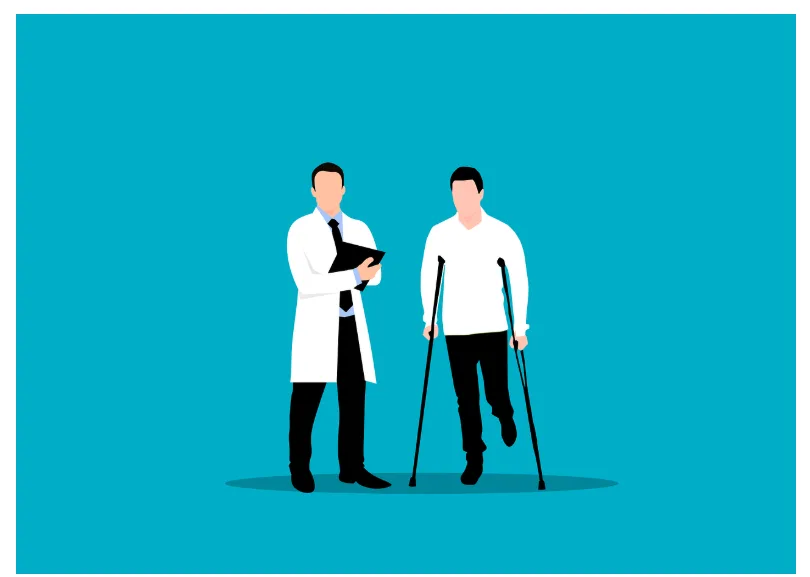
Most people think effective recovery from an injury like a torn hamstring or a strained lower back requires rest before getting back to physical activity, but for those who want to guarantee effective recovery, there’s more to it than that. You also need to enlist the help of a knowledgeable physiotherapist.
Effective recovery is important. In the USA alone, official government statistics show 2.5 million nonfatal workplace injuries and illnesses in 2024. The leading causes of injury were things like repetitive strain and overexertion.
This article explores how those suffering physical injury can boost their chance of recovery through physiotherapy.
Movement vs Rest
The standard advice for injuries used to be to get as much rest as possible. Those suffering soft tissue injuries were usually told to stay as still as possible, giving their body a chance to heal.
Current research suggests this has been the wrong approach and that physiotherapy can support injury recovery. Controlled, progressive movement started as soon as possible after an injury can actually boost chances of quick and total recovery. By encouraging blood flow and preventing muscle wasting, the body heals faster.
The key is working with a qualified physiotherapist who can show you how to safely move your body without making the injury worse. A physiotherapist removes the guesswork that leads to patients either resting too much or pushing their bodies too hard.
Physiotherapists assess factors like the following when developing personalized recovery plans:
- Individual strength
- Range of motion
- Other health conditions
Targeted Techniques
The modern physiotherapist has a wide variety of tools at their disposal:
- Manual therapy releases tight tissue and restores joint mobility.
- Therapeutic exercise rebuilds the strength lost during the injury.
- Modalities such as ultrasound and dry needling can reduce pain and support tissue repair when used as part of a wider plan.
For workplace injuries tied to repetitive strain, therapists also pay attention to how a person moves during daily tasks. Correcting posture at a desk or establishing a lifting technique addresses the root cause rather than just the symptom, which lowers the chance of reinjury once someone returns to work.
Sports Rehabilitation
While many injuries come from the workplace, another common source is sports. For sports injuries, it’s important to get the right advice, especially if you take a specific sport seriously. It’s not uncommon to find physiotherapists who work with specific sports injuries.
Working with a short-distance sprinter is quite different from working with a tennis player, because these sports put different kinds of strain on the body. Through the right physical treatments, it’s much easier to return to sport without loss of performance.
Returning to Daily Activities
Most people think recovery is complete once the pain is gone, but in reality, many injuries continue to affect strength, mobility, and confidence long after the pain fades away.
A physiotherapist helps patients safely return to normal activities by assessing factors such as:
- Current mobility levels
- Functional strength
- Recovery progress
This gradual approach reduces the chance of disappointing setbacks and helps patients regain the physical capacity needed for work, exercise, and everyday life.
Preventing Future Problems
Physiotherapy is about healing, but also reducing the chances of the same problem happening again in the future.
To achieve this, physiotherapists often identify factors such as:
- Poor movement habits
- Muscle weakness
- Physical imbalances
By addressing the underlying causes of injury rather than just the symptoms, patients can build a stronger foundation for long-term physical health and reduce the likelihood of re-injury.
Comprehensive Recovery
Recovering from an injury isn’t something you should leave to chance. Whether your injury came from the workplace or the sports field, modern research is clear. Resting on its own tends to slow you down, while guided physical activity gets you back to work or playing the sports you love and reduces the long-term pain.
The smartest thing you can do is bring in a professional early. A good physiotherapist will assess your situation and build a plan around your body, adjusting it as you improve and as they learn more about you and your preferences.
If you’re interested in learning more about optimizing physical health, see our other blog posts.