Age-related eye care: prevention, exams, and warning signs
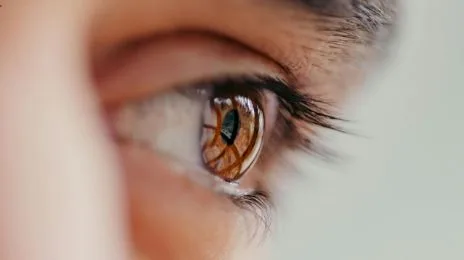
John F. Doane, M.D., from Discover Vision Centers, says age can change what patients need from eye care, even when vision problems seem minor at first.
For younger adults, the focus may be prevention, screen comfort, contact lens safety, and basic vision correction. By the 40s, many people begin noticing near-vision changes. Later in life, eye exams often become more important for detecting cataracts, glaucoma, diabetic eye disease, and retinal conditions.
The shift is not the same for every patient. Family history, medical conditions, medications, injuries, and previous eye surgery can all affect risk. Still, eye care often changes in predictable ways across adulthood.
Prevention starts before symptoms appear
Eye care in early adulthood is often easy to overlook. A person may see well, feel healthy, and assume an exam is only needed when glasses or contacts stop working.
That approach can miss the preventive side of eye health.
The National Eye Institute recommends several basic steps to support long-term eye health, including wearing sunglasses that block 99 to 100 percent of UVA and UVB radiation, using protective eyewear when needed, eating a healthy diet, staying physically active, not smoking, and giving the eyes regular breaks during screen use [1].
For people in their 20s and 30s, daily habits may matter more than they realize. Long screen sessions can contribute to tired, dry, or blurry-feeling eyes. Contact lens wear can also create problems if lenses are worn too long, cleaned improperly, or used past the recommended schedule.
The National Eye Institute recommends the 20-20-20 rule for long periods of computer use: every 20 minutes, look about 20 feet away for 20 seconds [1]. The rule is simple, but it addresses a common pattern in modern work and study: staring at one distance for too long without giving the focusing system a break.
Protective habits also matter outside the office. Sunglasses, safety glasses, and sports eye protection are not only for people with existing eye problems. They help reduce avoidable risks before symptoms appear.
A routine eye exam at this stage may check vision clarity, prescription needs, contact lens fit, and general eye health. If an exam shows something unusual, the patient may be referred for medical evaluation. In many cases, the visit simply confirms that the eyes are healthy and that the current prescription still works.
Why the 40s often bring the first noticeable changes
The 40s are often when people first notice that their vision is changing in a way that feels different from ordinary eye strain.
Reading small print may become harder. A phone may need to be held farther away. Restaurant menus may be more frustrating in dim light. Some people notice more headaches or eye fatigue after close work.
A common cause is presbyopia. According to the National Eye Institute, presbyopia is a normal part of aging that usually starts after age 45 and makes it harder to see things up close because the lens inside the eye becomes harder and less flexible over time [2].
Presbyopia does not mean the eyes are unhealthy. It also does not mean a person has done anything wrong. It is a common focusing change. Reading glasses, prescription lenses, multifocal lenses, contact lens options, or other approaches may help, depending on the person’s eyes and daily routine.
The 40s can also be a time when eye exams become more useful as health checks, not just prescription updates. Diabetes, high blood pressure, autoimmune conditions, family history of glaucoma, and certain medications can all affect the eyes.
This is why a gradual change in reading vision should be evaluated, even if it seems expected. An exam can help confirm whether presbyopia is the main issue or whether dry eye, cataracts, eye pressure changes, or another concern may also be involved.
A sudden change is different. Vision loss, new distortion, eye pain, flashes, floaters, or a shadow in the field of vision should not be treated as a routine midlife change.
The conditions doctors watch for later in life
Eye disease becomes a more important part of the conversation in later adulthood. Many older adults continue to read, drive, work, travel, and live independently, but the risk of certain eye conditions increases with age.
Cataracts are among the most common. The National Eye Institute defines a cataract as a cloudy area in the lens of the eye and states that cataracts are very common with aging. More than half of Americans age 80 or older either have cataracts or have had cataract surgery [3].
Cataracts may develop slowly. Early on, a person may not notice much. Over time, cataracts can cause blurry vision, faded colors, glare, trouble seeing at night, or frequent prescription changes [3]. These symptoms can affect daily tasks such as reading, driving, or recognizing faces in low light.
Doctors also watch for glaucoma, age-related macular degeneration, diabetic retinopathy, and other retinal problems. The Centers for Disease Control and Prevention identifies age-related macular degeneration, cataract, diabetic retinopathy, and glaucoma among the leading causes of blindness and low vision in the United States [4].
Regular eye exams are important because some conditions do not cause obvious symptoms early. Glaucoma, for example, can damage vision gradually. Diabetic eye disease may also develop before a person notices vision changes.
Later-life exams may include dilation, retinal imaging, eye pressure measurement, optic nerve evaluation, and other testing, depending on symptoms and risk factors. The goal is to identify changes early enough to monitor them, treat them when appropriate, or refer the patient to the right specialist.
Older adults should also report practical changes. Increased glare, difficulty driving at night, trouble reading, reduced contrast, falls, or uncertainty on stairs may all be related to vision. These details help the eye care team understand how test findings affect daily life.
How chronic health conditions can affect the eyes
Eye health is not separate from general health. Chronic conditions can affect blood vessels, nerves, inflammation, and healing, all of which may influence the eyes.
Diabetes is one of the clearest examples. The CDC advises people with diabetes to get yearly comprehensive vision exams, including dilated eye exams, and to pay attention to vision changes because many eye problems do not show obvious symptoms [5].
High blood pressure can also affect eye health. So can autoimmune disease, thyroid disease, sleep apnea, and some medications. Patients should tell their eye care provider about current diagnoses, medications, surgeries, and changes in overall health, even if the information does not seem directly related to vision.
Some warning signs should be checked promptly. The National Eye Institute lists sudden increases in floaters, flashes of light, and a curtain or shadow over the field of vision as symptoms of retinal detachment and advises going to an eye doctor or emergency room right away if those symptoms occur [6].
Other symptoms, including sudden vision loss, severe eye pain, double vision, vision changes after an injury, or blurry vision that appears suddenly or worsens quickly, should also be evaluated promptly [7].
For patients whose needs change with age, access to optometry, medical eye care, and surgical services can help connect routine exams with more specialized evaluation when concerns such as cataracts, glaucoma, diabetic eye disease, retina problems, dry eye, refractive issues, or contact lens needs are identified.
Age-related eye care is not only about treating disease. It is also about prevention, timely exams, and knowing when a symptom deserves attention. In the 20s and 30s, that may mean better screen habits, contact lens care, and protection from injury or UV exposure. In the 40s, it may mean addressing near-vision changes and monitoring health risks. After 60, it often means staying alert to cataracts and other common eye diseases.
The basic principle remains the same at every age: vision changes should be understood, not ignored.
References:
[1] National Eye Institute. (2025, September 11). Keep your eyes healthy. National Eye Institute. https://www.nei.nih.gov/eye-health-information/healthy-vision/how-eyes-work/keep-your-eyes-healthy
[2] National Eye Institute. (2024, December 4). Presbyopia. National Eye Institute. https://www.nei.nih.gov/eye-health-information/eye-conditions-and-diseases/presbyopia
[3] National Eye Institute. (2025, November 26). Cataracts. National Eye Institute. https://www.nei.nih.gov/eye-health-information/eye-conditions-and-diseases/cataracts
[4] Centers for Disease Control and Prevention. (2024, May 15). About common eye disorders and diseases. Centers for Disease Control and Prevention. https://www.cdc.gov/vision-health/about-eye-disorders/index.html
[5] Centers for Disease Control and Prevention. (2024, May 15). Promoting eye health. Centers for Disease Control and Prevention. https://www.cdc.gov/diabetes/hcp/clinical-guidance/promote-eye-health.html
[6] National Eye Institute. (2025, November 5). Retinal detachment. National Eye Institute. https://www.nei.nih.gov/eye-health-information/eye-conditions-and-diseases/retinal-detachment
[7] Mayo Clinic. (n.d.). Eye problems in adults. Mayo Clinic. https://www.mayoclinic.org/symptom-checker/eye-problems-in-adults-adult/related-factors/itt-20009075