How to Keep Your Home Cool Without Summer Stress
When summer settles into Cleveland, the heat can creep into your home faster than you might expect. Between humid afternoons, sun-soaked roofs, and older homes that weren’t designed with modern energy efficiency in mind, keeping indoor spaces comfortable can become a challenge. A house that traps heat doesn’t just make your family uncomfortable—it can affect sleep quality, increase energy costs, and put extra strain on appliances that work harder to stay cool. The good news is that you don’t need to be an HVAC expert to keep your home comfortable. By understanding what causes indoor heat buildup and learning a few practical cooling strategies, Cleveland homeowners can stay ahead of the summer heat while keeping energy use under control.
Why homes overheat
Your home can heat up faster than you expect, even when the air conditioner is running. Sunlight through windows is a big reason. Rooms that get strong afternoon sun often feel like they’re auditioning to be greenhouses.
Humidity also makes everything feel warmer. Even if the temperature number looks fine, sticky air can make your home feel stuffy and uncomfortable. Poor airflow adds to the problem, especially in upstairs bedrooms or back rooms that don’t get much circulation.
Some heat comes from inside the house too. Ovens, dryers, gaming systems, and even lamps can add extra warmth. It’s like your home is helping summer do its job.
Older insulation, drafty windows, and clogged filters can make cooling harder. Cool air escapes while hot air sneaks in. If that’s happening, your system has to work longer just to keep up, and your energy bill usually notices first.
Know your cooling options
Not every home stays cool the same way, so it helps to know what choices you have. Central air is common because it cools the whole house evenly when the ductwork and thermostat are doing their jobs.
Ductless mini-splits can be useful if you have a room that’s always too hot, a finished attic, or an addition that never feels comfortable. Window units and portable ACs can help in smaller spaces, though they’re usually better as backup than whole-home solutions.
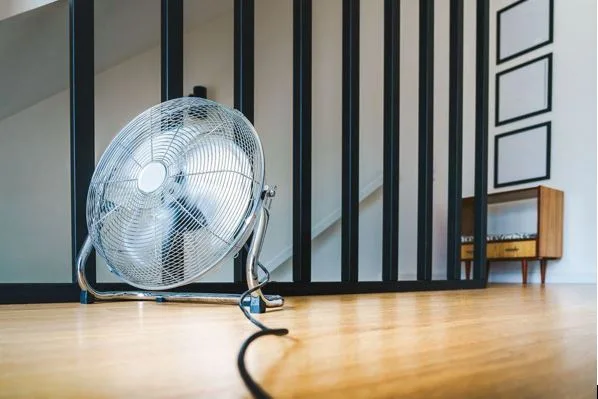
Fans don’t lower the room temperature, but they help your skin feel cooler by moving air around. That can make a room feel more comfortable without touching the thermostat.
If your setup isn’t keeping up, it may be time to compare professional cooling services in Cleveland for maintenance, repair, or system updates that fit your home. Sometimes the best fix isn’t replacing everything. It’s just getting the right help for the problem you actually have.
Simple habits that help
Small daily habits can take pressure off your cooling system. Start with blinds and curtains. Closing them during the hottest part of the day can block a surprising amount of heat, especially on sunny windows.
Ceiling fans help too, but only if they spin the right way. In summer, the blades should turn counterclockwise so they push air downward. If you stand under one and feel a breeze, you’re winning.
Try using the oven less on very hot days. Slow cookers, air fryers, microwaves, or outdoor grills can keep extra heat out of your kitchen. It’s a simple switch, and your house won’t feel like it’s baking along with dinner.
You can also turn off electronics when you’re not using them. TVs, chargers, and game consoles create a bit of heat over time. It’s not dramatic, but every little bit helps when your AC is already working hard.
Signs something is off
A cooling system usually gives hints before it stops doing its job. One common clue is uneven temperatures. If the living room feels fine but the bedroom feels like a blanket fort in August, something may be off.
Weak airflow is another sign. If air is coming out of the vents but barely moving, the issue could be a dirty filter, blocked vent, or something bigger in the system. Strange noises matter too. Rattling, buzzing, or banging are not your unit’s way of making conversation.
A sudden jump in your electric bill can point to cooling trouble. When a system struggles, it often runs longer and uses more energy. High indoor humidity is another red flag. Your home may feel sticky, damp, or just plain uncomfortable.
If you notice any of these signs, it’s smart to pay attention early. Cooling issues rarely fix themselves. They usually just wait until the hottest day possible to become dramatic.
What to check first
Before you assume the worst, there are a few simple things you can check safely on your own. Start with the thermostat. Make sure it’s set to cool and that the temperature setting didn’t get changed by accident.
Next, look at your air filter. If it’s dusty or clogged, replace it. A dirty filter can restrict airflow and make the whole system less effective. It’s one of the smallest fixes with one of the biggest payoffs.
Walk through your home and check the vents. Furniture, rugs, or curtains can block airflow more than people realize. Open vents fully in the rooms you use most.
If you have an outdoor unit, make sure leaves, weeds, and debris aren’t crowding it. It needs breathing room. You don’t need to poke around inside or take anything apart. Just keep the area clear. If those basic steps don’t help, that’s a good sign it’s time to call in a pro.
Comfort on a budget
Staying cool doesn’t always mean spending big money. Sometimes the cheapest fixes are the most useful. Regular filter changes, weather stripping around doors, and sealing small window leaks can help keep cool air where it belongs.
If certain rooms are always warmer, check the insulation in the attic or around problem areas. Heat loves to sneak in through weak spots. Adding or improving insulation can help your home hold a steady temperature longer.
Thermostat habits matter too. Setting the temperature super low won’t cool your house faster. It just makes the system run longer. A steady, realistic setting is usually better for comfort and your budget.
If you have a programmable thermostat, use it. Let the temperature rise a little when no one is home, then cool things down before you return. That way your AC gets a break, and your wallet might stop giving you the side-eye.
Plan for hotter days
The best time to think about summer cooling is before the hottest stretch arrives. When a heat wave hits, service schedules fill up quickly, and small issues can turn into bigger ones fast.
Planning ahead can be pretty simple. Schedule maintenance before peak summer if your system is older or has struggled in the past. Replace filters on time, clear around the outdoor unit, and make note of rooms that never seem comfortable.
It also helps to think long term. If your home always feels too warm despite your best efforts, the problem may be less about one hot week and more about airflow, insulation, or aging equipment. A few updates over time can make each summer easier.
You don’t need a perfect home to stay comfortable. You just need a home that works with the season instead of fighting it. A little prep now can help you stay cool, sleep better, and avoid melting into the couch later.