Why Yoga Is More Than Just Flexibility Training
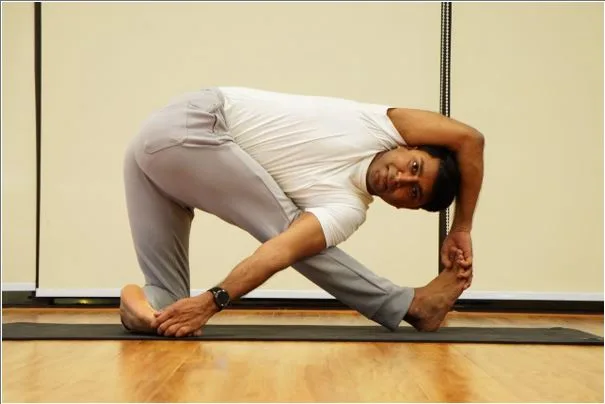
A common image tends to appear whenever yoga is discussed. Someone is seen stretching deeply, reaching toward their toes, or holding an impressive pose that seems impossible for the average person. Because of this, yoga is often placed into a flexibility-only box, even though its influence reaches much further.
The truth is that flexibility is only one part of the experience. Muscles may become more supple, and movement may feel easier, but much more is happening beneath the surface. Attention is directed toward breathing, awareness is developed, and physical strength is built in ways that are sometimes overlooked.
This broader impact explains why yoga continues to attract people with different goals. Some arrive seeking better mobility, while others are searching for relief from mental fatigue. A slow-and-steady approach is often encouraged, because yoga is not simply about how far the body can bend. It is about how the body and mind work together.
It Starts With Movement, But It Doesn’t End There
When people attend their first yoga class, flexibility is often expected to be the main focus. While stretching is certainly included, a deeper connection between movement and awareness is usually introduced as well.
Each posture is performed with attention to breathing, alignment, and control. As movements are repeated, the body is challenged in ways that go beyond simple stretching. Balance is tested, muscles are engaged, and concentration is required.
This is one reason many people view yoga as more than a workout. For some, a retreat or yoga escape becomes an opportunity to step away from daily distractions and reconnect with healthier habits. The focus is placed not only on physical movement but also on creating space for mental clarity and self-reflection.
For example, a person attending yoga classes after long workdays may initially notice improved flexibility. As practice continues, calmer reactions to stressful situations may also be experienced. Another individual may begin yoga for physical reasons, only to discover that breathing exercises become equally valuable.
Have physical activities ever been approached with equal attention to both the body and the mind? Yoga encourages exactly that.
Strength Is Built In Quiet Ways
Yoga is sometimes underestimated because it does not always involve heavy equipment or intense physical exertion. Despite this perception, considerable strength can be developed through regular practice.
Many yoga poses require body weight to be supported for extended periods. Core muscles are engaged, stabilizing muscles are activated, and posture is improved through controlled movement. These benefits are often achieved without the fast pace associated with traditional exercise programs.
Strength developed through yoga is frequently described as functional. Instead of focusing solely on lifting capacity, emphasis is placed on supporting everyday movement. Activities such as carrying groceries, climbing stairs, or maintaining proper posture may become easier because the body is functioning more efficiently.
The process is gradual. Muscles are challenged repeatedly, and improvements are built through consistency rather than intensity alone. Strength is developed quietly, though its effects can be noticed throughout daily life.
The Benefits Reach Beyond The Physical
One reason yoga has remained popular across generations is its ability to influence more than physical fitness. While physical improvements are often discussed, mental and emotional benefits are frequently highlighted by practitioners as well.
Some of the ways yoga supports overall well-being include:
- Encouraging mindful breathing practices
- Supporting stress management efforts
- Improving focus and concentration
- Promoting greater body awareness
- Helping create moments of stillness during busy schedules
- Supporting healthier sleep habits
These outcomes are not produced by movement alone. Attention is directed toward the present moment, and distractions are gradually reduced. This shift can create a sense of calm that extends beyond the yoga mat.
In many cases, people discover that yoga provides a rare opportunity to slow down. Constant stimulation is common in modern life, which makes periods of focused stillness particularly valuable.
Could a fitness practice become more meaningful when mental well-being is supported alongside physical health? Yoga suggests that it can.
Why Modern Fitness Is Making Room For Yoga
Fitness trends continue to evolve, and many people are seeking activities that support both performance and recovery. Yoga fits naturally into this conversation because it complements a wide variety of exercise routines.
Athletes often use yoga to improve mobility and recovery. Office workers may use it to counteract the effects of prolonged sitting. Others include yoga alongside strength training, running, or other flexible workouts that can be adapted to changing schedules and fitness goals.
Rather than competing with other forms of exercise, yoga frequently works alongside them. Tight muscles can be addressed, movement quality can be improved, and recovery can be supported through regular practice.
This versatility makes yoga accessible to many different groups. A beginner can participate without extensive experience, while an experienced athlete can continue finding new challenges. The practice adapts to the individual rather than forcing everyone into the same approach.
Have fitness goals become easier to maintain when movement feels sustainable rather than overwhelming? Many people find that yoga helps create that balance.
A Practice That Continues To Evolve
Yoga is often introduced as a way to improve flexibility, and that benefit certainly deserves recognition. However, reducing yoga to stretching alone overlooks much of what makes the practice valuable. Strength can be developed, focus can be sharpened, and healthier relationships with movement can be encouraged.
As people continue practicing, the benefits often become more noticeable in unexpected areas of life. Better posture may be observed during daily activities. Breathing may feel more controlled during stressful moments. A stronger awareness of physical and mental well-being may begin to emerge.
What makes yoga unique is not any single pose or technique. It is the combination of movement, attention, and consistency that gives the practice its lasting appeal. Flexibility may be the reason many people begin, but it is rarely the only reason they continue.