Winning the Dinner Rush: Smart Meal Strategies for Busy Dads
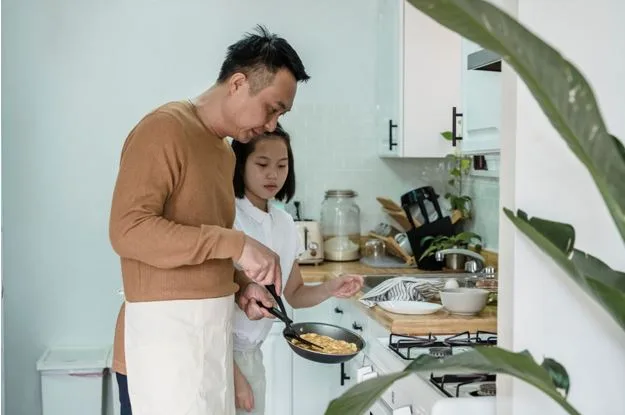
Weeknights have a way of getting crowded, and when dinner isn’t planned, it’s easy to end up staring into the fridge or reaching for takeout again.
But you don’t need complicated recipes or hours in the kitchen to avoid this. A few smart habits can help you get dinner on the table faster while still serving meals your family actually wants to eat. The goal isn’t to cook more. It’s to cook smarter, use your time well, and avoid that last-minute scramble when everyone suddenly gets hungry. Let’s look at a few practical ways to stay ahead of the dinner rush.
Start the Week with a Simple Meal Plan
You don’t need a detailed spreadsheet or a color-coded calendar. Just knowing what you’re making for dinner a few days ahead can save a lot of stress. Instead of deciding at 6 p.m. when everyone’s already hungry, you already have a plan ready to go.
Keep it simple. Pick a handful of meals your family enjoys and spread them throughout the week. You can even leave one night open for leftovers or takeout. A basic plan also makes grocery shopping faster because you’re buying with a purpose instead of wandering the aisles hoping for inspiration.
Let the Instant Pot Do the Heavy Lifting
Some kitchen tools earn their spot on the counter, and the Instant Pot is one of them. It handles jobs that normally take an hour or more and cuts them down to a fraction of the time. That comes in handy when your evening schedule leaves little room for cooking.
A great example is this Instant Pot buffalo chicken mac and cheese recipe:
Simply add chicken, buffalo sauce, broth, and pasta to the pot, then pressure cook until everything is tender. Shred the chicken, stir in cream cheese and cheddar, and you’ll have a rich, creamy dinner with a little kick. If your family likes blue cheese, sprinkle some on top before serving. You get protein, pasta, and plenty of flavor without filling the sink with dishes afterward.
Keep a Short List of Reliable Family Favorites
Not every dinner needs to be a brand-new recipe. In fact, trying something completely different every night can make cooking feel like another job.
Having five or six dependable meals takes pressure off your evenings. Maybe it’s tacos, grilled chicken bowls, pasta night, burgers, or a simple stir-fry. When you know those meals work, you spend less time searching for recipes and more time getting dinner ready. Familiar meals also mean fewer complaints from picky eaters, which makes the whole evening run more smoothly.
Prep Ingredients Before the Week Gets Busy
A little preparation on Sunday can save valuable minutes during the week. Wash vegetables, chop onions, portion snacks, or marinate chicken before your schedule fills up.
When dinner time arrives, you’re not starting from scratch. The ingredients are already waiting for you, which means less chopping, less cleanup, and fewer delays. Even spending thirty minutes on basic prep can help you get meals on the table much faster when weekdays become hectic.
Stock the Freezer with Emergency Dinner Options
Every family has those nights when plans fall apart. Practice runs late, traffic slows everything down, or work takes longer than expected. That’s where a well-stocked freezer earns its keep.
Keep a few homemade meals ready to go, such as chili, meatballs, shredded chicken, or casseroles. Frozen vegetables and cooked rice are worth keeping around, too. Instead of ordering expensive takeout, you can pull together a complete meal in a short amount of time. Having those backup options gives you flexibility when the evening doesn’t go according to plan.
Use Sheet Pan Meals to Cut Down on Cleanup
Some nights, the last thing you want is a sink full of pots and pans waiting for you after dinner. That’s why sheet pan meals are worth keeping in your rotation. You place your protein, vegetables, and seasonings on one pan, slide it into the oven, and let it cook.
Chicken and broccoli, sausage and peppers, or salmon with roasted vegetables all work well. You can change the seasonings to keep things interesting without changing your entire routine. Cleanup stays simple because everything cooks in one place, and you’re not juggling multiple burners while trying to keep track of timing.
Turn Leftovers into New Meals
Leftovers don’t have to look exactly the same the next day. With a little creativity, they can become something completely different.
Grilled chicken from one night can turn into tacos, wraps, salads, or rice bowls the next day. Leftover ground beef can become loaded baked potatoes or quesadillas. Even roasted vegetables can find their way into omelets or pasta dishes.
This approach saves cooking time while keeping meals from feeling repetitive. It also helps stretch ingredients further, which means fewer grocery runs and less food ending up in the trash.
Get the Family Involved in Dinner Preparation
You don’t have to carry the entire dinner routine by yourself. Bringing the family into the process can make things easier and more enjoyable.
Younger kids can help wash vegetables, set the table, or organize ingredients. Older children can learn basic cooking tasks and help prepare parts of the meal. Even small jobs lighten your workload.
Dinner prep also creates opportunities for conversation that don’t involve screens or schedules. Instead of everyone waiting for food to appear, they become part of the process. That shared effort often leads to fewer complaints and more appreciation once dinner reaches the table.
Focus on Progress, Not Complexity
Social media can make it seem like every dinner needs to be picture-perfect. In reality, most families simply want a meal that tastes good and gives them a chance to sit together for a while.
A simple pasta dish on a busy Tuesday isn’t a shortcut. It’s a practical choice. A slow cooker meal after a long day still counts as a home-cooked dinner. When cooking feels manageable, you’re more likely to stick with it, and consistency is what keeps dinner from becoming a nightly challenge.
At the end of the day, dinner is about more than what’s sitting on the plate. It’s one of the few times when the pace slows down, phones get set aside, and everyone gathers in the same place. Those moments don’t require complicated recipes or hours of preparation. They come from having a system that works when life gets busy. When you remove the stress from getting food on the table, dinner becomes less of a task and more of a chance to reconnect with the people you’re working so hard for in the first place.